Skip to content


Inside Mount vs Outside Mount Blinds: How to Choose the Right Fit


Before you measure or order custom blinds, you need to decide how you will mount window treatments: inside the window frame or on the wall or window trim around it.
Key Takeaways
- Inside mount installs within the window frame, needs sufficient depth, offers a clean, trim-revealing look.
- Outside mount installs on trim or wall, overlaps the frame for better light blocking and larger look.
- Inside mount requires precise interior measurements to the nearest 1/8 inch and depth verification.
- Shallow frames or obstructions favor outside mount; tight spaces or showcasing trim favor inside mount.
Inside mount means the blinds install inside the window opening; outside mount means they install on the wall or trim above and around the window, so the treatment extends beyond the opening. Both inside mount blinds and outside mount blinds work as window coverings; the choice depends on your frame depth and how you want the window treatment to look. This is especially important when choosing Basement Window Blinds & Shades, since basement windows are often smaller, shallower, or positioned in ways that make mounting style more important.
This guide explains what each option is, when to choose which, how they differ for light control and look, and how measuring differs.
What Is Inside Mount?
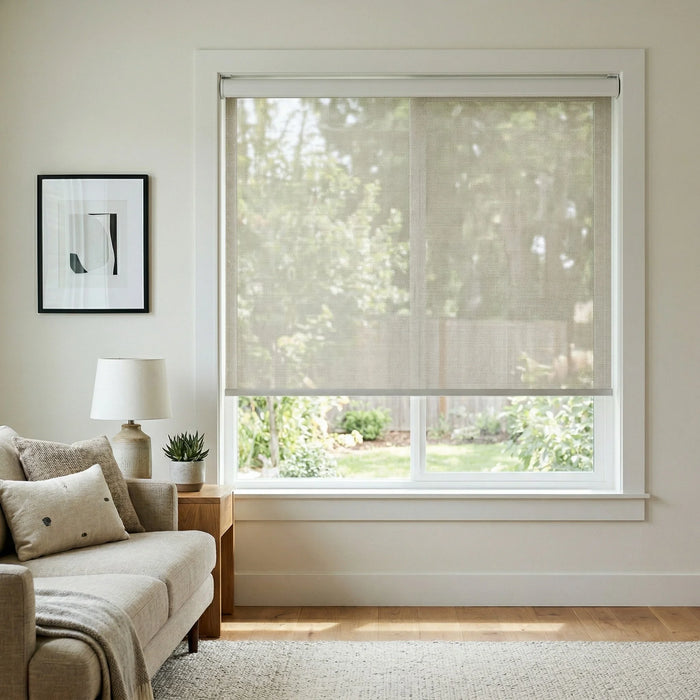
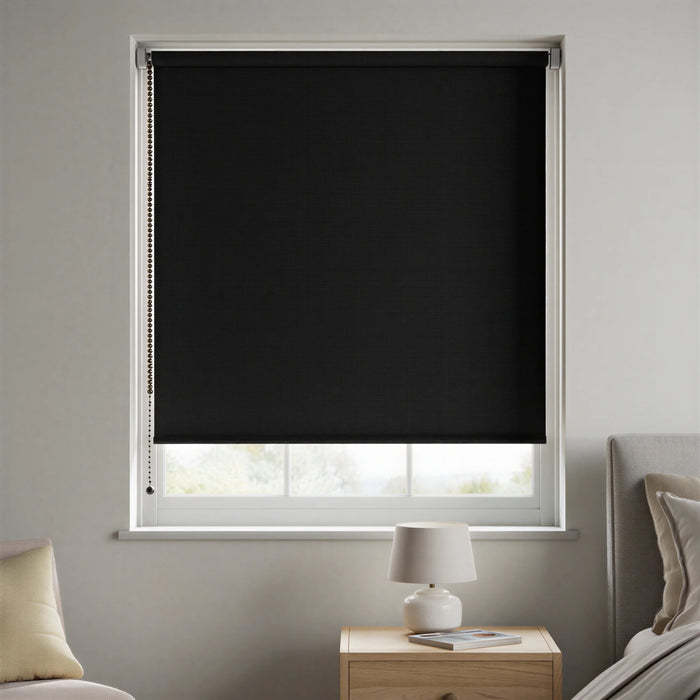
Inside mount (sometimes called recessed or in-frame) means the blinds are installed inside the window opening, within the window frame. The brackets are secured to the top of the opening or to the sides of the frame. You get a clean, built-in look: the blinds sit flush with or just inside the window trim, and your decorative molding stays visible.
Most products need a minimum depth in the window frame (often 2 to 3 inches or more; check your product's specifications). When the frame has "fully recessed" depth, the headrail can sit flush with the wall. Installers and manufacturers often recommend inside mount for the majority of windows when the frame has enough depth and no obstructions get in the way.
What Is Outside Mount?
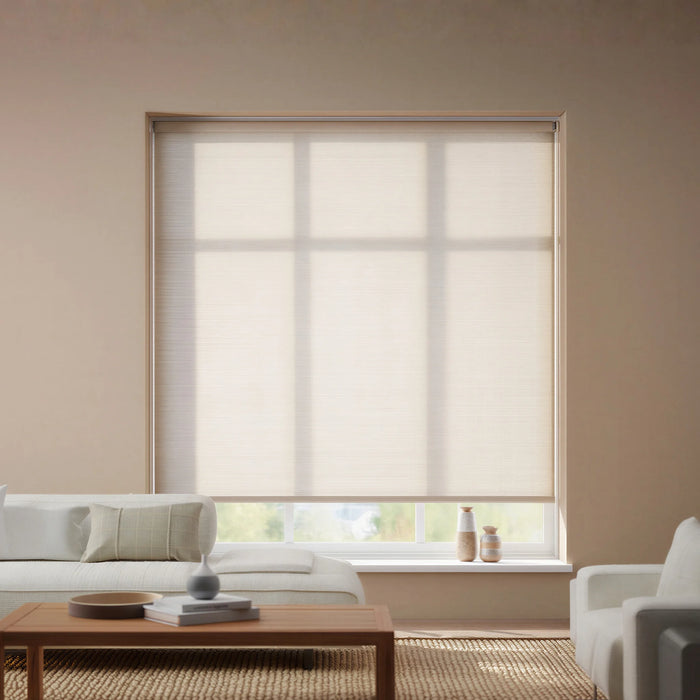
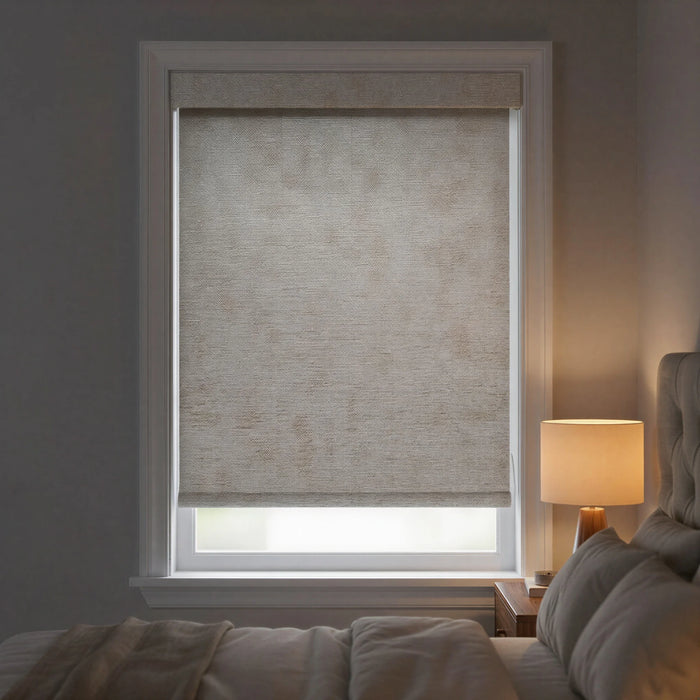
Outside mount means the blinds are installed on the wall above the window, on the trim, or outside the window so the treatment extends beyond the opening. Typically the treatment is 2 to 4 inches wider and taller than the window on all sides for full coverage. With outside mount window treatments, the mounted blinds overlap the frame for better light blocking.
You get better light blocking with less gap around the edges, the illusion of larger or taller windows, and the option to hide unattractive trim or odd-shaped openings. Outside mount is a good choice when the frame is too shallow for inside mount, when obstructions (cranks, handles, alarm sensors, tile) prevent inside installation, or when you want maximum room darkening. It's often used in bedrooms, nurseries, and media rooms where total darkness is desired.
Key Differences: Inside vs Outside Mount
| Inside mount | Outside mount | |
|---|---|---|
| Location | Inside the window frame | On the wall or trim around the window |
| Light control | Small side gaps (e.g. ¾") are common for operation | Overlaps the frame; blocks more light |
| Aesthetics | Shows off trim; streamlined look | Can make windows look larger; can hide trim |
| Space | Uses less room space | Can protrude and affect furniture or wall decor |
| Measurement | Precise (e.g. to the nearest 1/8") | More flexible (often to the nearest inch); you specify finished size |
| Depth | Needs sufficient unobstructed depth | No depth requirement |
When to Choose Inside Mount
Choose inside mount when:
- Your window frame has enough unobstructed depth (check product specs for minimum depth).
- You want a clean, minimal look and to showcase the trim.
- You want to maximize wall space in small rooms.
- The window is above a sink or in a tight space where a streamlined look matters.
- You don't need total blackout and can accept a small amount of light around the edges.
Always check for obstructions such as cranks, handles, sensors, or tile that extend into the opening, and measure depth first before deciding.
When to Choose Outside Mount
Choose outside mount when:
- The window frame is too shallow for inside mount.
- Obstructions (cranks, handles, tile, trim) prevent inside installation.
- You need blackout or maximum light blocking (outside mount avoids the side "halo" gap).
- You want windows to look larger or ceilings taller.
- You want to hide damaged or unattractive trim.
- You have odd-shaped or off-center windows and want to camouflage the frame.
Outside mount is often preferred in bedrooms, nurseries, media rooms, and living rooms with picture windows when light control and privacy are priorities. For an outside mounted window in a bedroom, outside mount blinds can make the room feel darker and more private.

Room-by-Room Quick Guide
- Media rooms and nurseries: Outside mount for better room darkening.
- Kitchens (above sink): Inside mount to save space and keep a clean look.
- Bathrooms: Inside mount can make small windows feel more open.
- Bedrooms: Outside mount is often better for light sleepers.
- Living rooms with large windows: Outside mount can make windows look more substantial and improve light control.
How Measuring Differs for Inside vs Outside Mount
For inside mount, you measure the exact width and height of the window opening. Take width at the top, middle, and bottom and use the smallest width; take height on the left, center, and right and use the largest height. Measurements are usually to the nearest 1/8 inch. The depth at the top of the frame must meet the product's minimum. The factory typically applies deductions so the blind operates without rubbing the sides.
For outside mount, you decide how far beyond the frame the treatment will extend (e.g. 2 to 4 inches on each side and above). You provide the desired finished width and length; no factory deductions are applied.
Does Mount Type Affect Cost?
Outside mount treatments use more material (wider and often longer), so they can cost more than inside mount for the same window. How much more depends on size, material, and brand.
Layered Look: Inside and Outside Mount Together
Some homeowners layer two window treatments: for example, a sheer or blackout shade as an inside mount and a second treatment (blinds or shades) as an outside mount above it. That gives versatility (light filtering plus room darkening) and a polished look. This approach requires enough space and a bit of planning; measure and plan before ordering.
Installation and Next Steps
Once you've chosen inside or outside mount and have your measurements, you're ready to order and install. If you prefer not to measure or install yourself, professional measure-and-install services are available and can handle both mount types. When it's time to replace your window treatments, you can recycle window blinds.