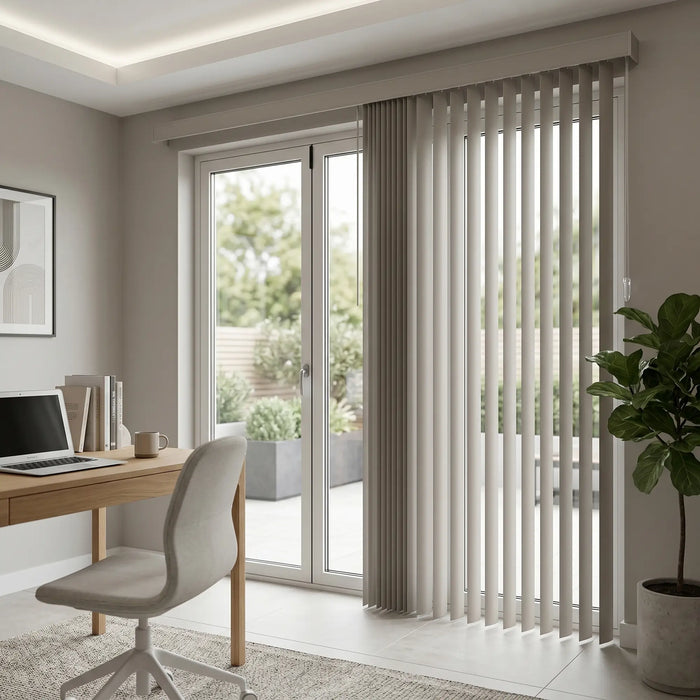
The primary purpose of these treatments is to create a dark environment ideal for sleeping, watching movies, or any activity requiring minimal light.
Blackout Blinds & Shades vs. Room-Darkening Window Treatments
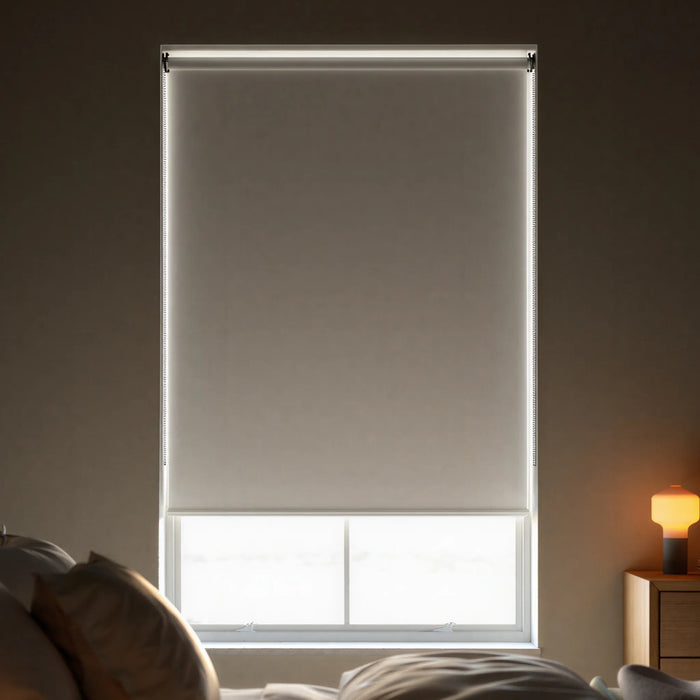
Blackout blinds and shades prevent 99% or more of incoming light, creating total darkness when properly installed. These treatments use opaque materials specifically designed to prevent light penetration. They work best for spaces where you need complete darkness, such as sleeping spaces for better rest or home theaters for optimal viewing conditions.
Room-darkening shades reduce about 95% of light, offering a dimmed room without complete darkness. These options balance light reduction with functionality, making them ideal for spaces where you want some light control but don't need total darkness. To compare both options in more detail, see our full guide to Blackout Blinds & Shades.
Benefits of Blackout Blinds & Shades
These window treatments offer several key benefits beyond simple light prevention. The most significant advantage is improved sleep quality, as sleeping in a dark room promotes melatonin production, a hormone that helps you fall asleep faster. Bedroom blinds create the dark environment your body needs for restful sleep, whether you're taking an afternoon nap or sleeping in on weekends.
Privacy, energy efficiency, and UV protection represent additional advantages. These shades prevent outsiders from seeing into your space and stop heat and harmful UV rays, helping maintain cooler indoor temperatures while protecting your furniture, floors, and artwork from fading.
Types of Blackout Window Treatments
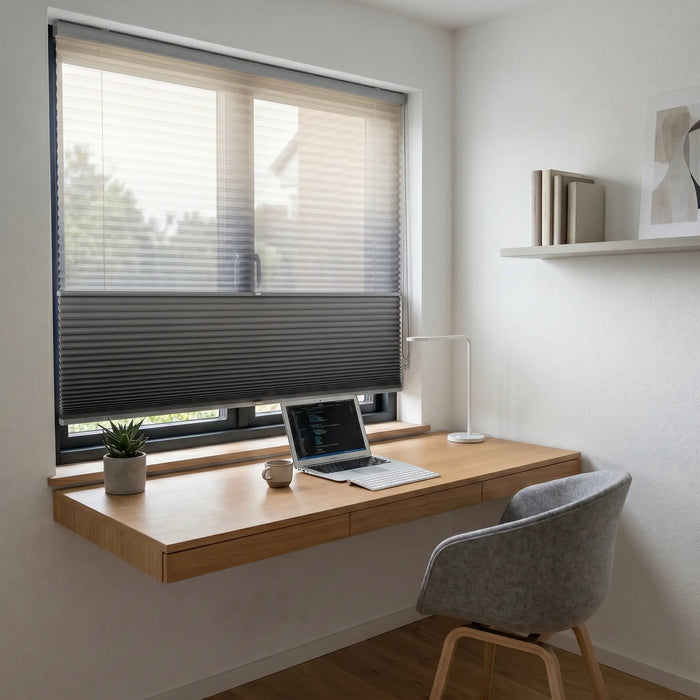
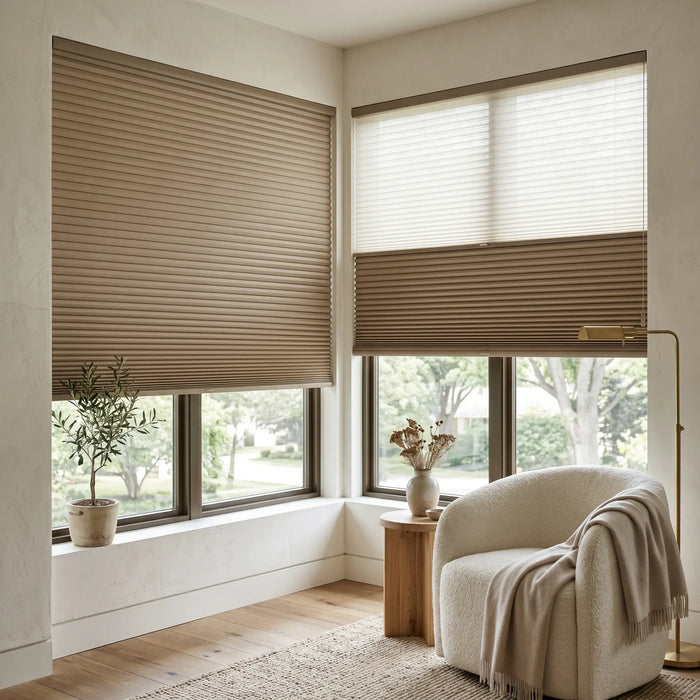
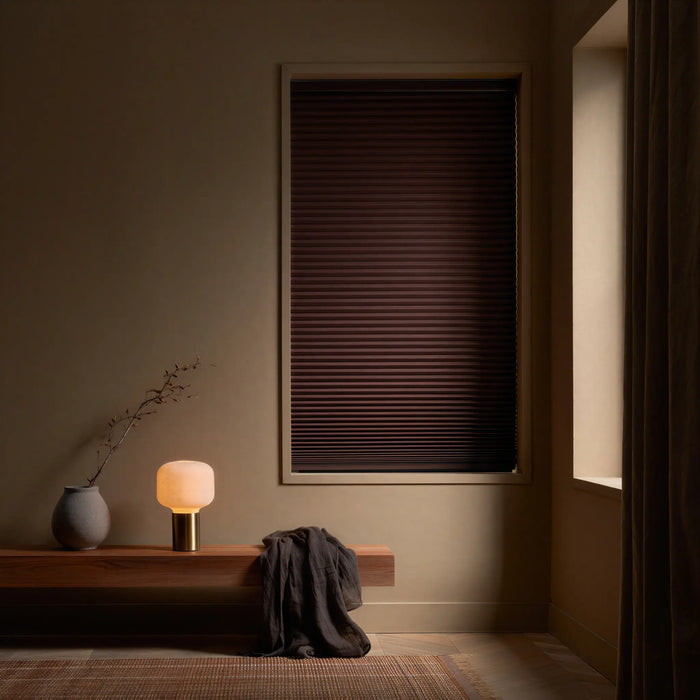
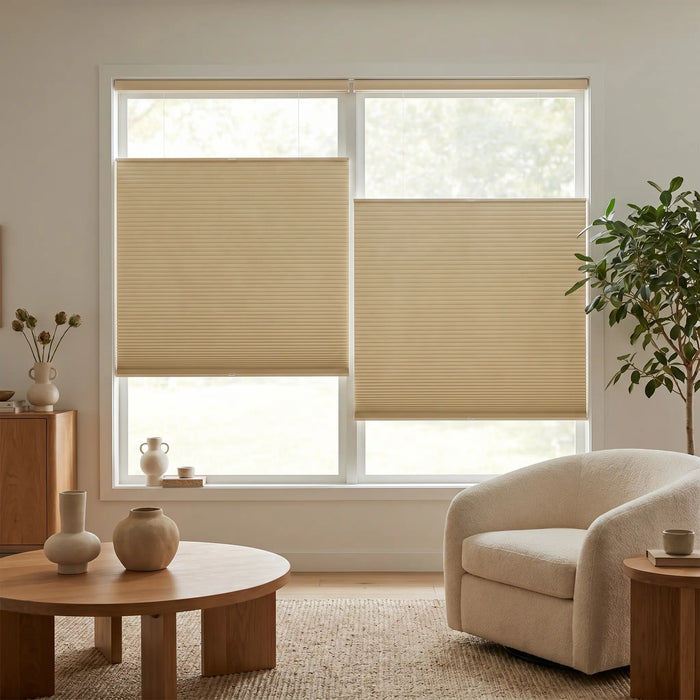
Cellular shades, also called honeycomb shades, use a honeycomb design that traps air between layers, creating insulation while preventing light. These shades are available in single or double-cell construction, with double-cell options providing the thickest coverage. Homeowners can request cellular shades with blackout capabilities, offering excellent energy efficiency along with light prevention.
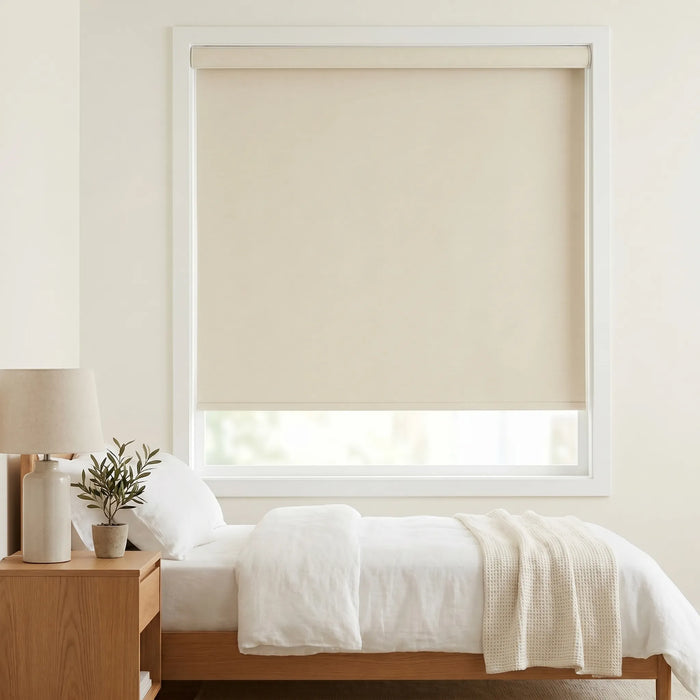
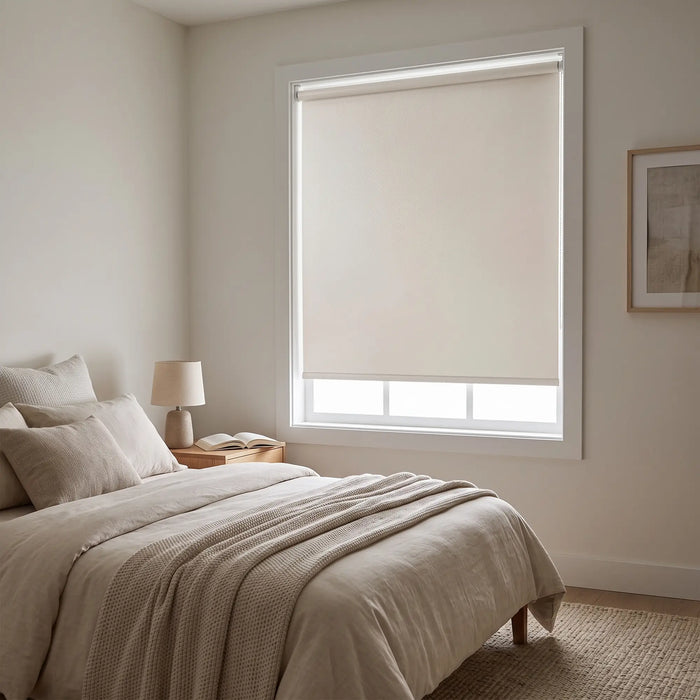
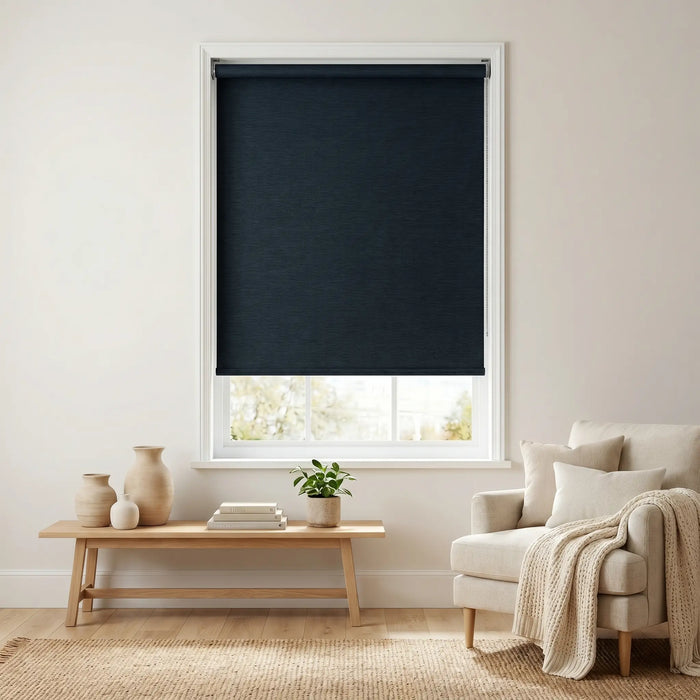
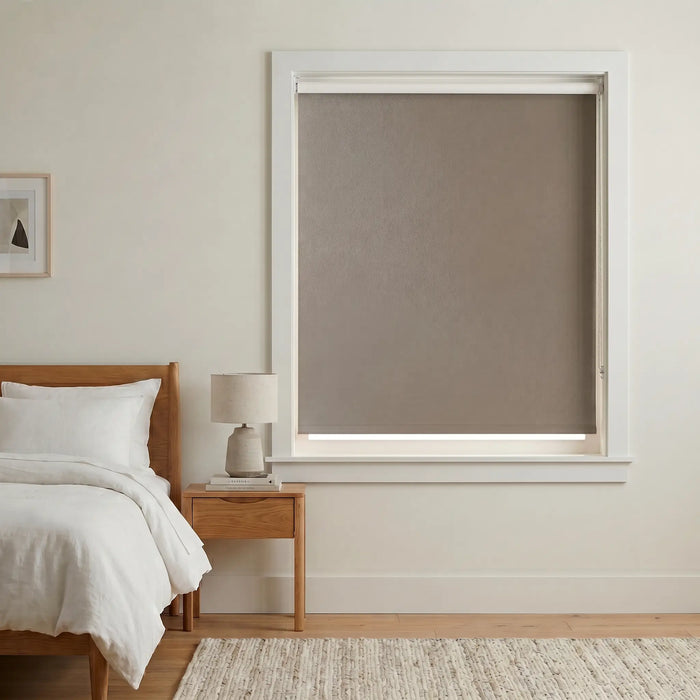
Roller shades deliver clean, modern style with a single fabric piece that rolls smoothly for privacy or light control. These shades work well for sleeping spaces, offering complete light prevention when you need darkness and unobstructed views when open.
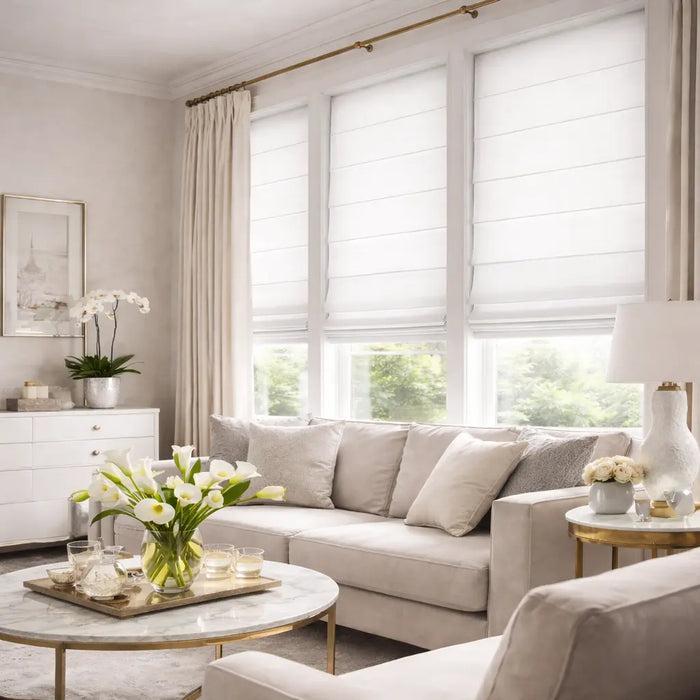
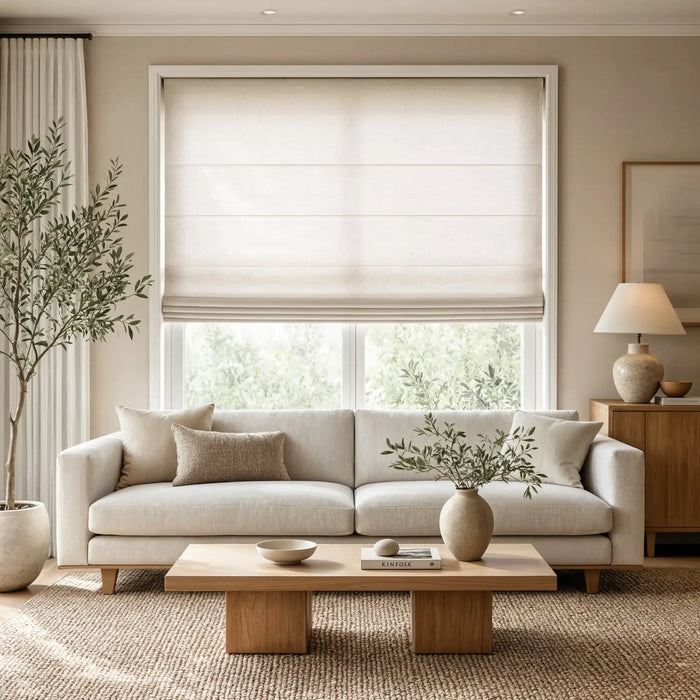
Roman shades fold into elegant pleats when raised, providing a sophisticated, tailored appearance. These shades work with traditional and modern décor, available in countless fabrics with blackout lining. You can choose from various custom shades options to match your specific needs and window requirements.
Best Rooms for Blackout Blinds & Shades
Sleeping spaces benefit most from these treatments, as they create the dark environment essential for quality sleep. Sleeping in a dark room promotes melatonin production, helping you fall asleep faster and stay asleep longer. These shades will keep the sunrise from waking you up when you sleep in on weekends, and they allow you to take afternoon naps without light interference.
Nurseries and home theaters also benefit significantly from these treatments. Nurseries require them to help babies establish healthy sleep schedules, while home theaters need them to eliminate glare on screens and create an immersive viewing experience. Living rooms and offices can work with these treatments, though many homeowners prefer light-filtering or room-darkening options that maintain views.
Installation and Measuring for Blackout Blinds & Shades
Measuring your window frame for roller shades installation requires a few basic tools: a metal tape measure, a small stepladder, a pencil, and a notebook. The most important part of the process is choosing where to hang the treatments, as this determines your measurement approach.
For inside-mount installation, measure the height and width of the window recess at multiple points and record the smallest measurements to ensure your shades fit properly within the frame. Inside-mount shades may create small gaps along the edges, allowing minimal light to seep in, but they provide the most integrated look.
For outside-mount installation, add around 1.5 to 3 inches above the window and on each side for complete coverage. This ensures your treatments overlap the window opening completely, providing maximum light prevention with fewer gaps.
Installing these shades requires some basic tools: a level, measuring tape, screws or nails, and a drill. Measure and mark where the brackets will go, use a level to ensure your marks are even, then pre-drill the holes and install the brackets securely. Remove the roller shades from the package and insert them into the brackets, then test the operation.
Control Options for Blackout Blinds & Shades
Cordless options offer a cleaner look and safer operation, especially important for homes with children and pets. These treatments eliminate dangling cords that pose safety hazards, while providing simple push-up or pull-down operation.
Motorized shades let you control light with the touch of a button, using a remote, app, or voice commands. These treatments work perfectly for hard-to-reach windows or when you want to schedule automatic operation, adding convenience and helping with energy savings. You can upgrade to motorized options for enhanced convenience.
Traditional cord or wand options provide reliable and affordable operation for these treatments. These standard control methods work well when budget is a consideration or when you prefer manual operation.
Energy Efficiency Benefits
These shades help improve energy efficiency by preventing UV rays and insulating your rooms. These treatments help maintain consistent indoor temperatures, reducing the need for heating and cooling. Rooms with large windows benefit most from this energy-saving feature, as these treatments prevent heat gain in summer and heat loss in winter. Double-cell shades provide extra insulation through their honeycomb design, which traps air between layers, creating a thermal barrier at your windows.
 Skip to content


 12 colors available⭐ Most Popular(138)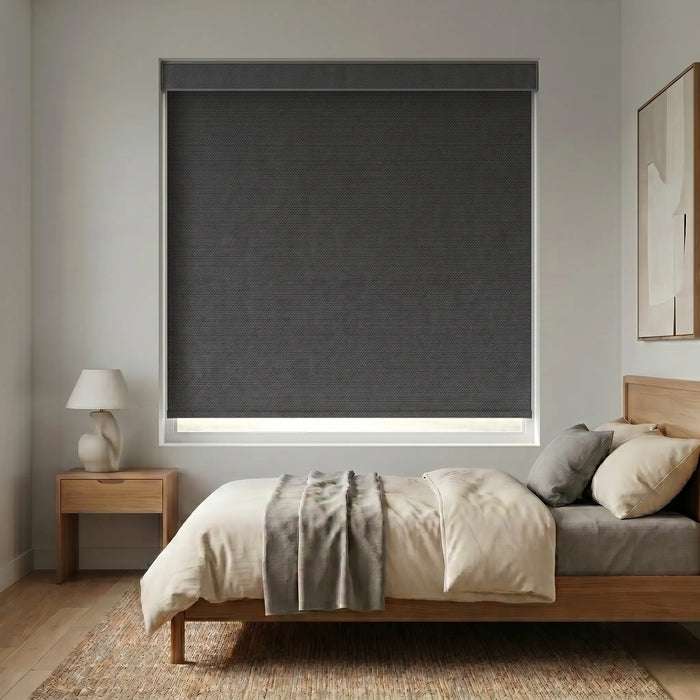
 2 colors available(1)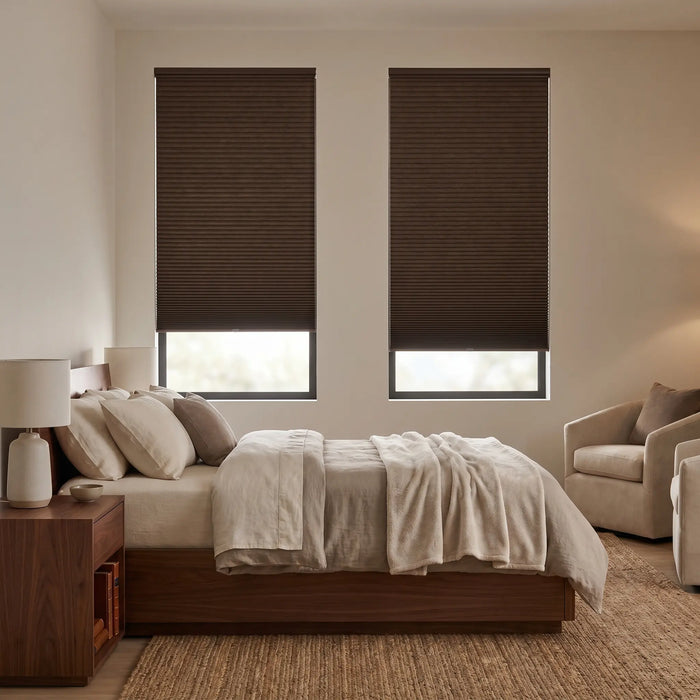
 6 colors availableBest Seller (13)
 12 colors available⭐ Most Popular(138)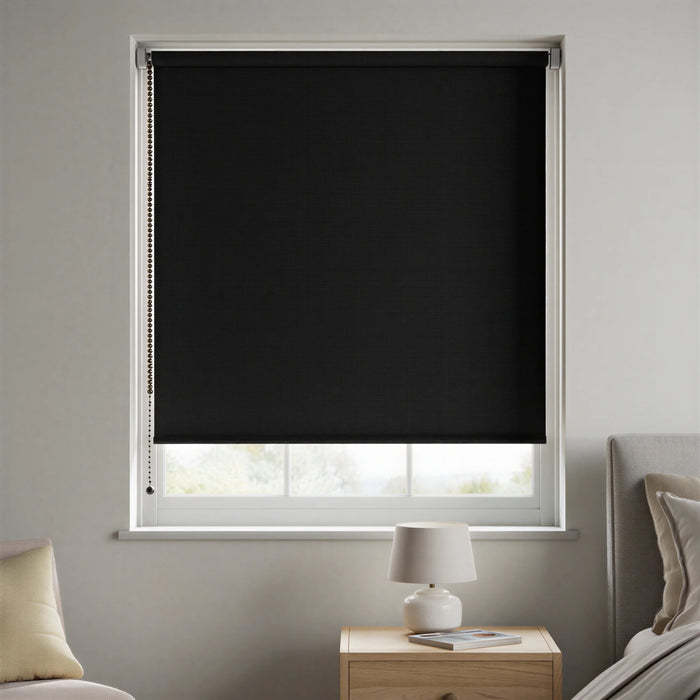
 6 colors available(163)Free Shipping