Benefits of Blackout Roller Shades
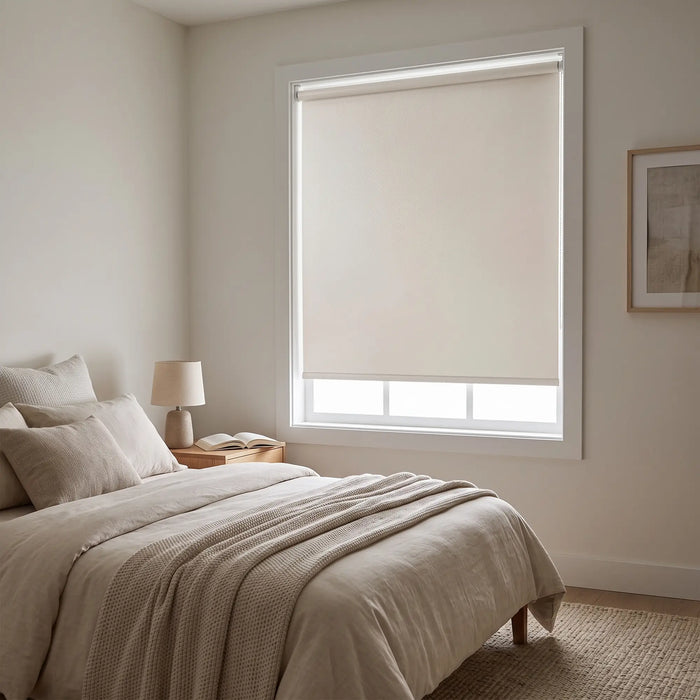
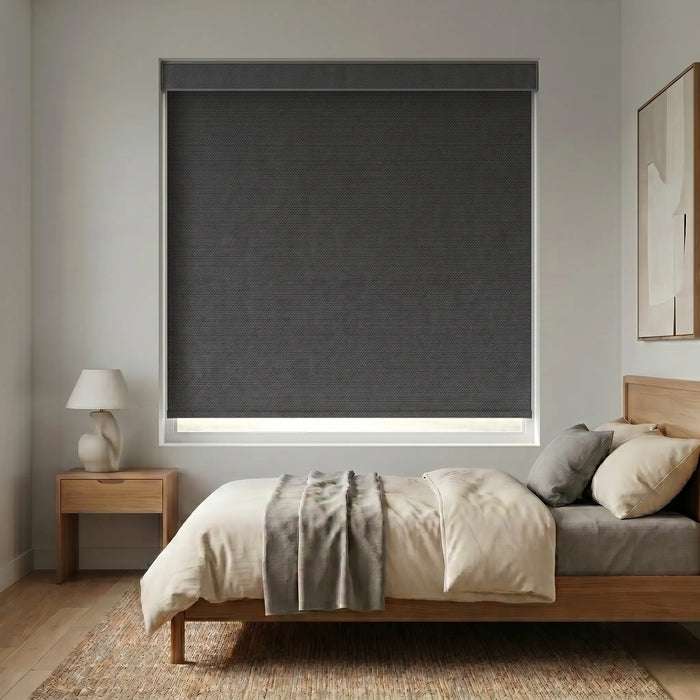
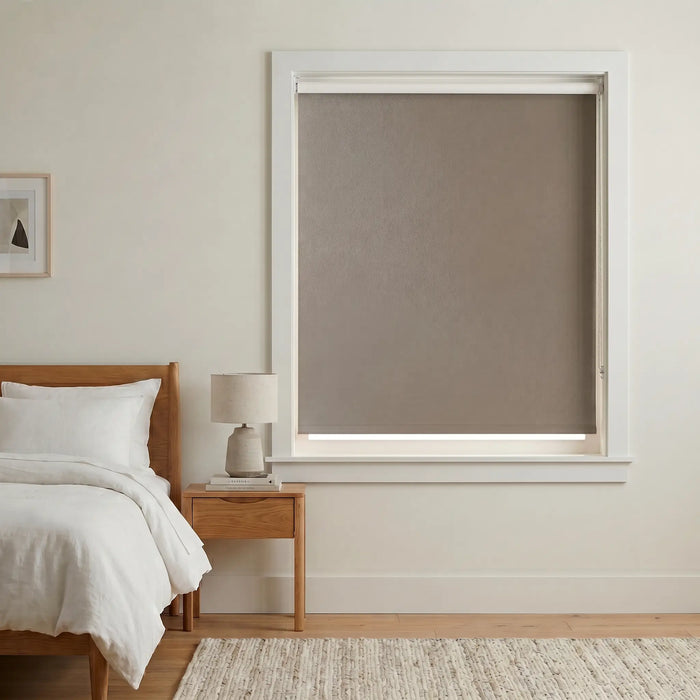
Blackout roller shades offer complete light control, blocking 99% to 100% of incoming light to create total darkness. This makes them ideal for bedrooms, nurseries, and home theaters where complete darkness is essential. The complete light blocking also provides ultimate privacy day and night. If you need a more precise fit for a specific window size or room setup, Custom Blackout Shades can help you get better coverage, cleaner installation, and stronger light control. These shades act as insulators, helping reduce energy costs by preventing heat from entering in summer and retaining warmth in winter.
How Do Blackout Roller Shades Work?
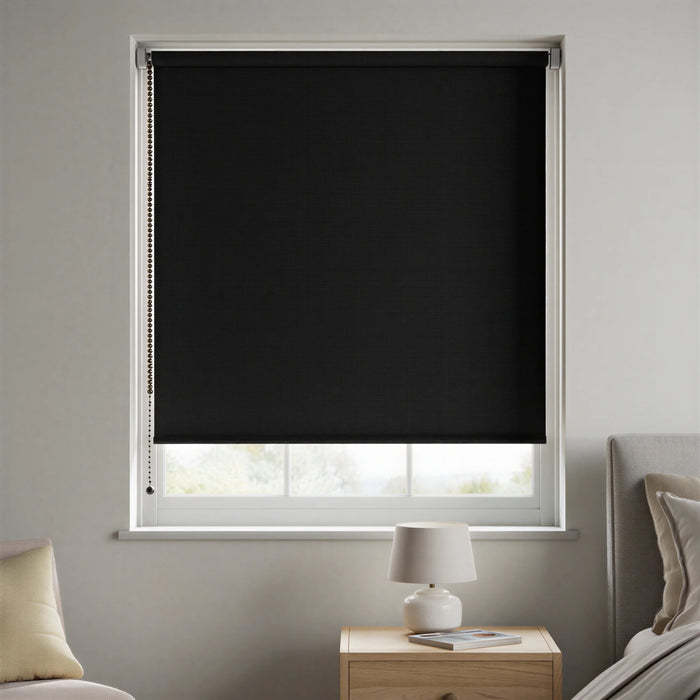
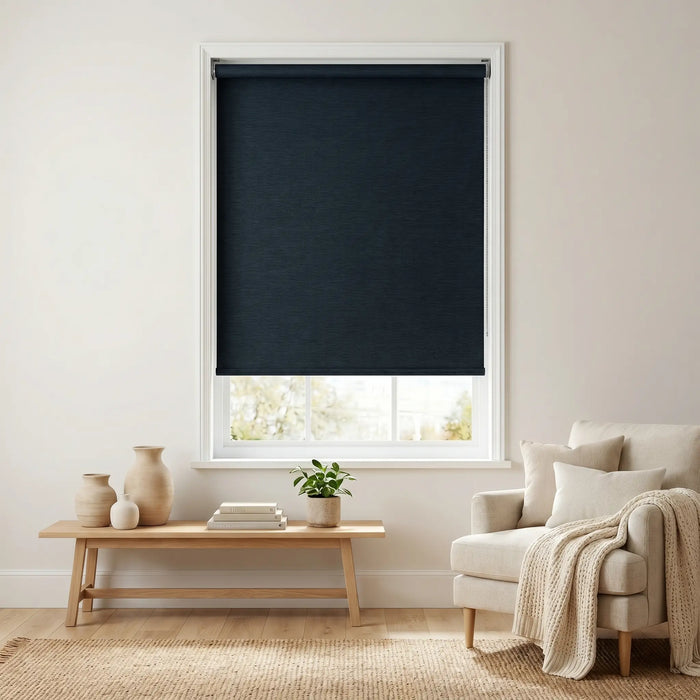
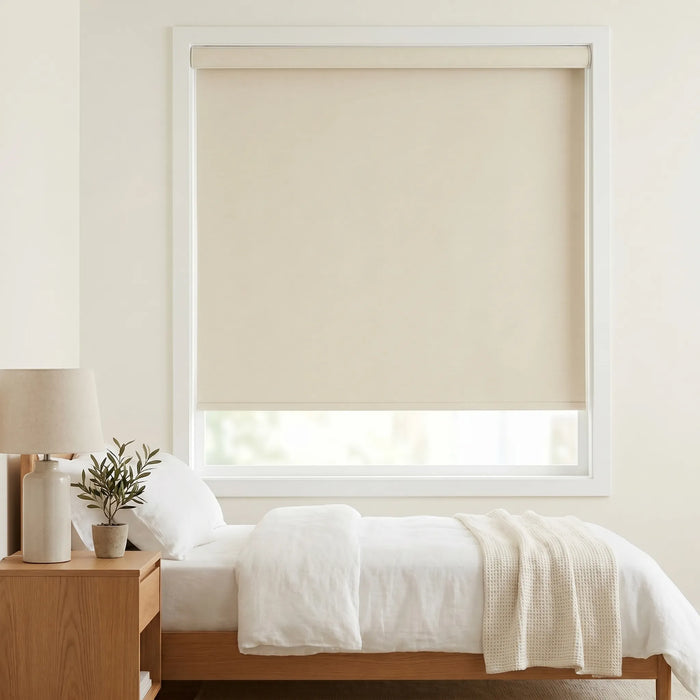
Blackout roller shades use special light-blocking fabrics with opaque construction that prevents light from passing through. The fabric rolls up into a tube mechanism at the top when open and rolls down to cover the entire window when closed. The operation mechanism can be cordless, using a spring-loaded system, or motorized with remote or app control. Some models include side channels that block light gaps around the edges for even better light blocking.
Types of Blackout Roller Shades
Cordless blackout roller shades eliminate dangling cords, making them safe for homes with children and pets. Motorized blackout roller shades offer remote or app control for convenient operation, ideal for hard-to-reach windows. Fabric options include vinyl blackout roller shades, which are durable and easy to clean, and fabric blackout roller shades, which offer a softer appearance with various textures. You can also explore solar shades for different light control options.
Where to Use Blackout Roller Shades
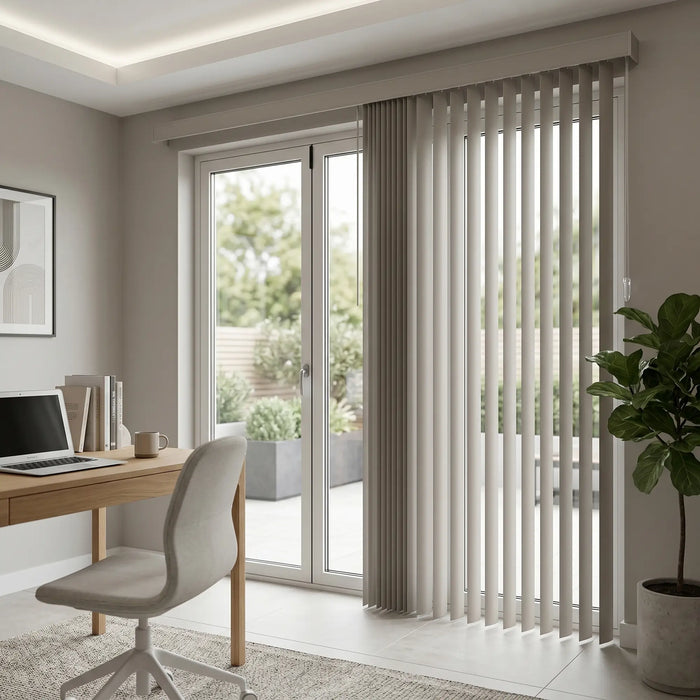
Bedrooms benefit significantly from blackout roller shades, as they create complete darkness for better sleep quality. These shades block early morning sunlight, street lights, and moonlight that can disrupt sleep patterns. Nurseries require blackout roller shades to help babies sleep during daytime naps and maintain consistent sleep schedules. Home theaters and media rooms need blackout roller shades to eliminate glare on screens and create a cinema-like viewing experience. Living rooms can also benefit from blackout roller shades when you want to control light for TV viewing or create privacy. Living room blinds offer various options for different light control needs throughout your home.
Installation and Mounting Options
Inside mount installation places the blackout roller shade within the window frame, creating a clean, built-in appearance. Outside mount installation places the shade above and beyond the window frame, covering the entire window opening including trim for better light blocking. Accurate measurement is crucial for proper fit and maximum light blocking. For inside mount, measure the width at three points using the narrowest measurement, and height at three points using the longest measurement.
Blackout vs. Room Darkening Shades
It's important to understand the difference between blackout and room-darkening shades when choosing window treatments. Room-darkening shades block 85% to 95% of light, allowing some light to filter through the fabric. Blackout roller shades block 99% to 100% of light, creating complete darkness when closed. The fabric construction is thicker and more opaque than room-darkening options.
Energy Efficiency Benefits
Blackout roller shades provide excellent insulation properties that help reduce energy costs throughout the year. The dense fabric construction blocks solar heat gain in summer, preventing heat from entering your home through windows. In winter, blackout roller shades help retain heat inside your home by creating an additional insulation layer at the window, reducing heat loss through the glass.
Maintenance and Care
Blackout roller shades require minimal maintenance to keep them looking and functioning their best. Regular dusting with a soft brush attachment helps remove surface dirt. For spot cleaning, use a mild detergent solution and a soft cloth, then allow the fabric to air dry completely. Avoid harsh chemicals that could damage the fabric or affect the light-blocking properties.
 Skip to content


 12 colors available⭐ Most Popular(138)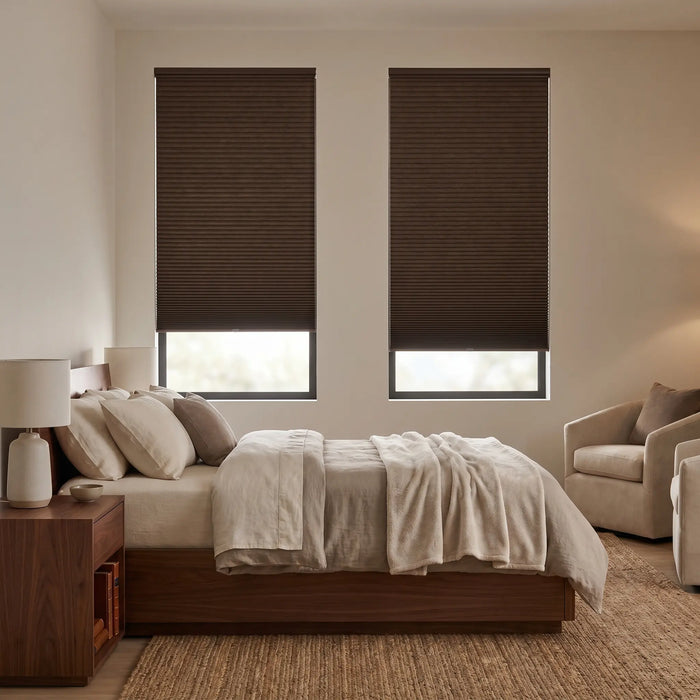
 12 colors available⭐ Most Popular(138)
 6 colors availableBest Seller (13)