 Skip to content

Basement Window Blinds & Shades
-
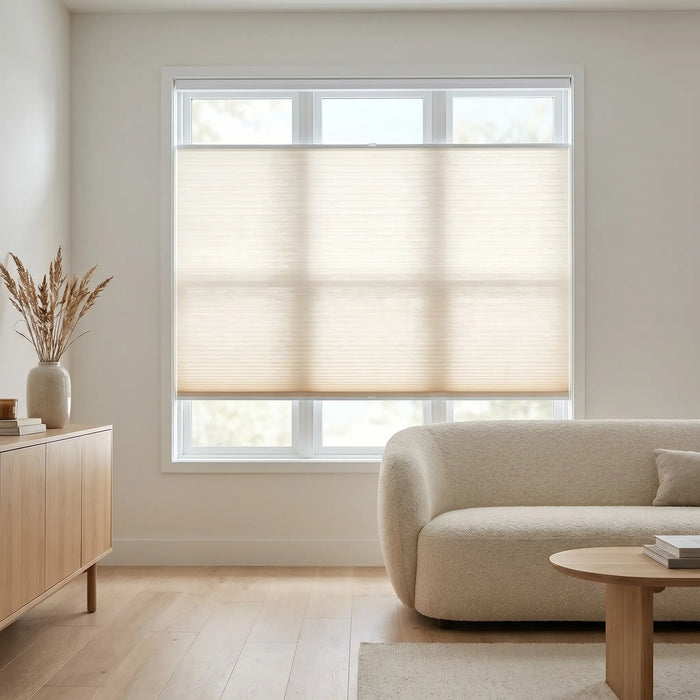 6 colors available(6)
- Softens daylight, keeps the view
Free Shipping -
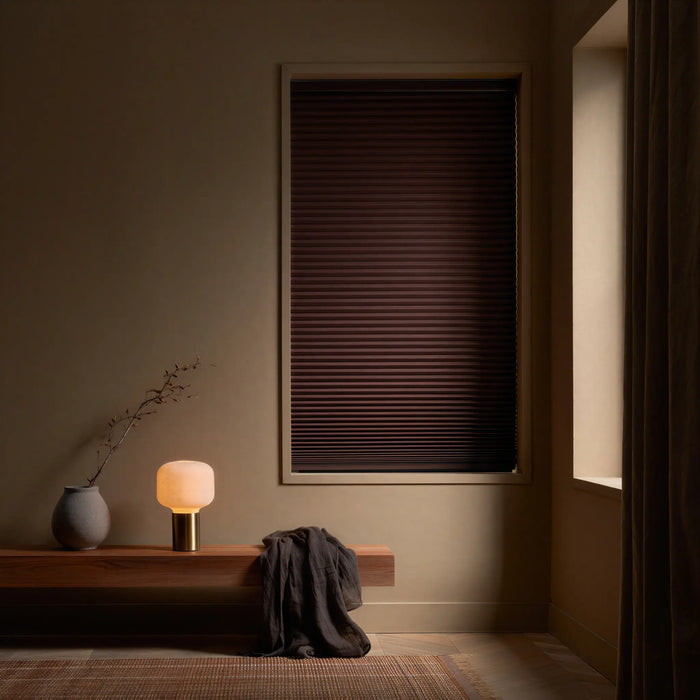 6 colors availableBest Seller (12)
- Blocks 100% of light
- Made to your exact window size
Free Shipping -
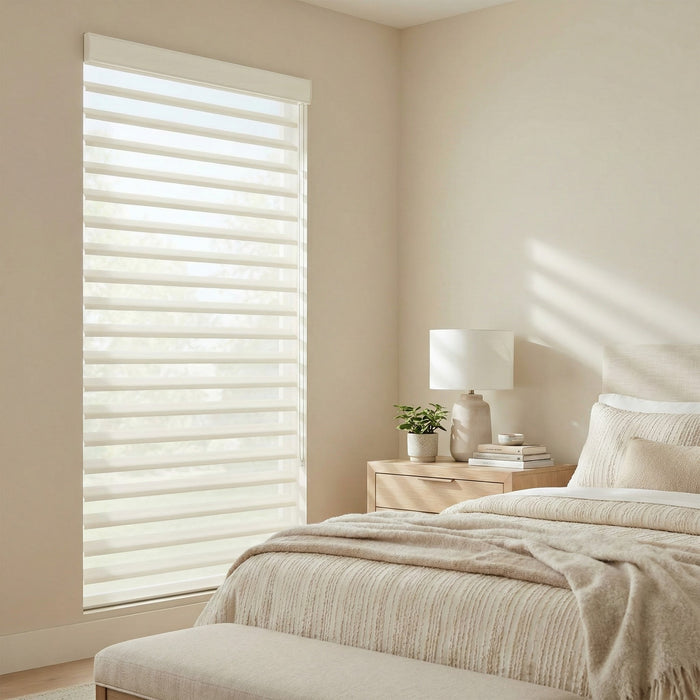
-
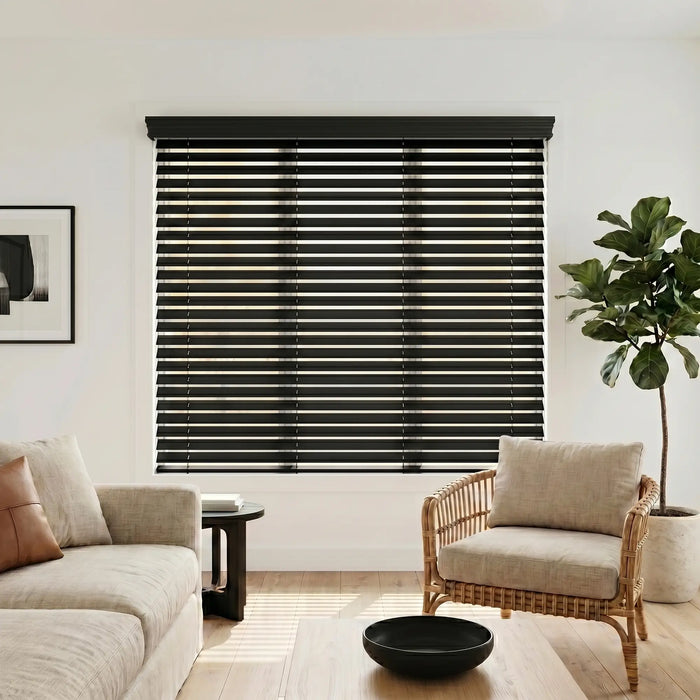
-
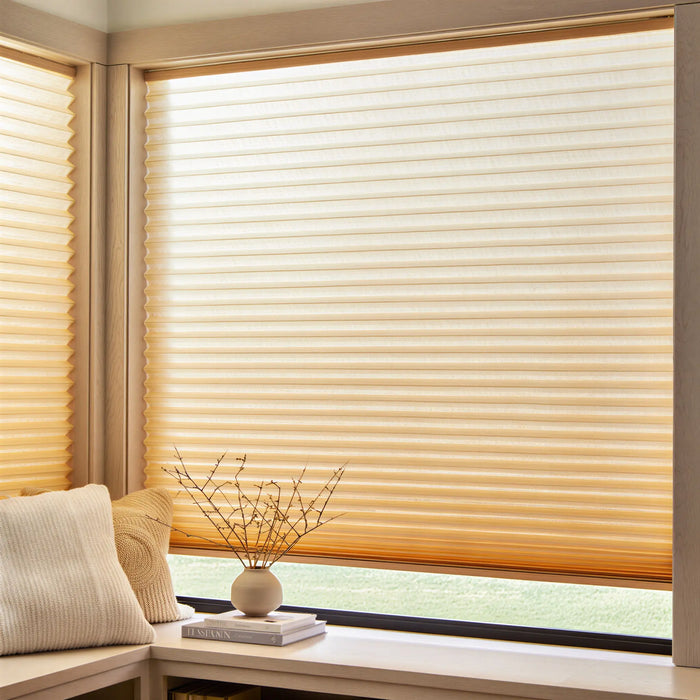 6 colors available(8)Free Shipping
 -
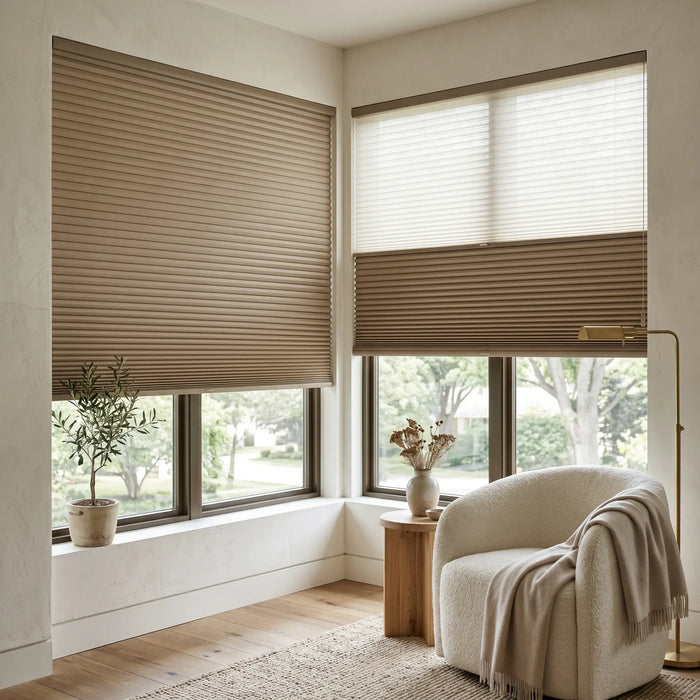
-
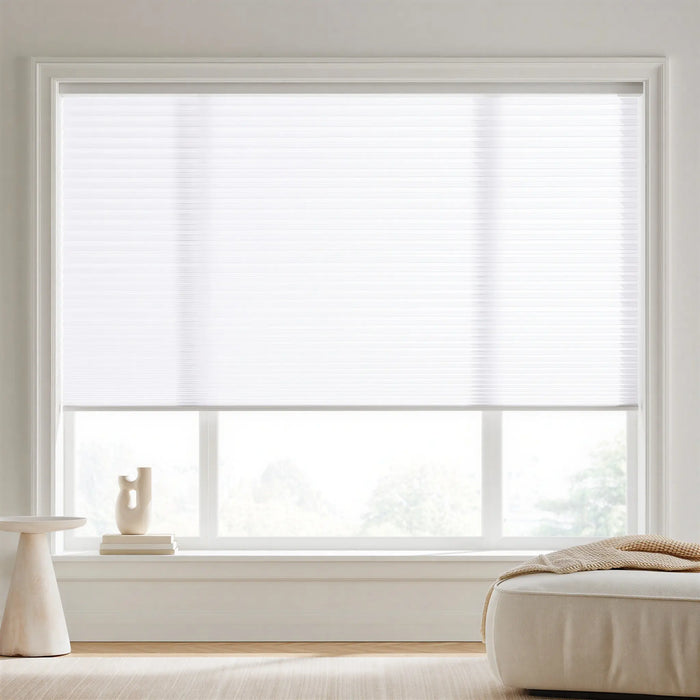
-
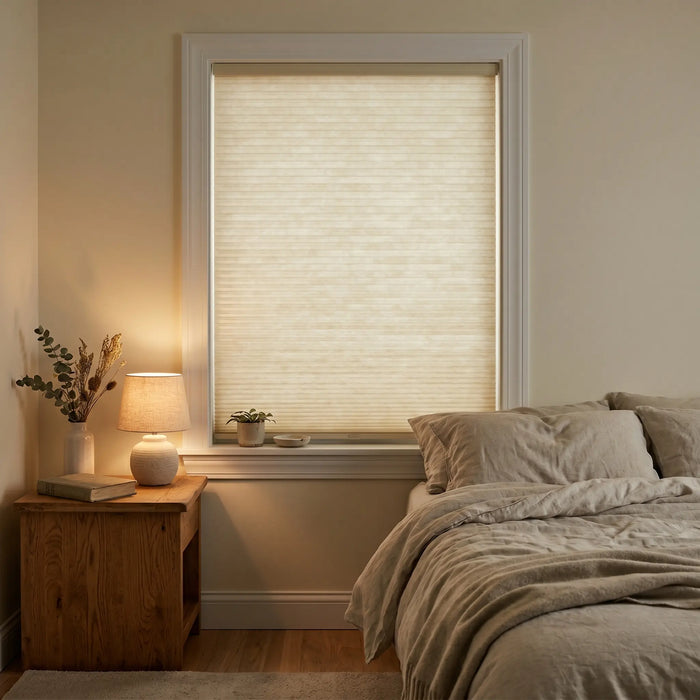 7 colors available(350)Free Shipping
 -
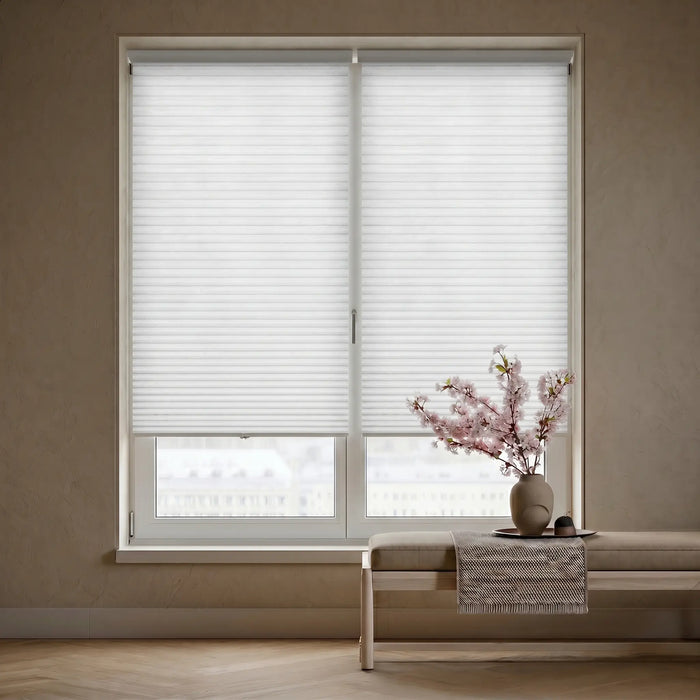 10 colors available(350)Free Shipping
 -
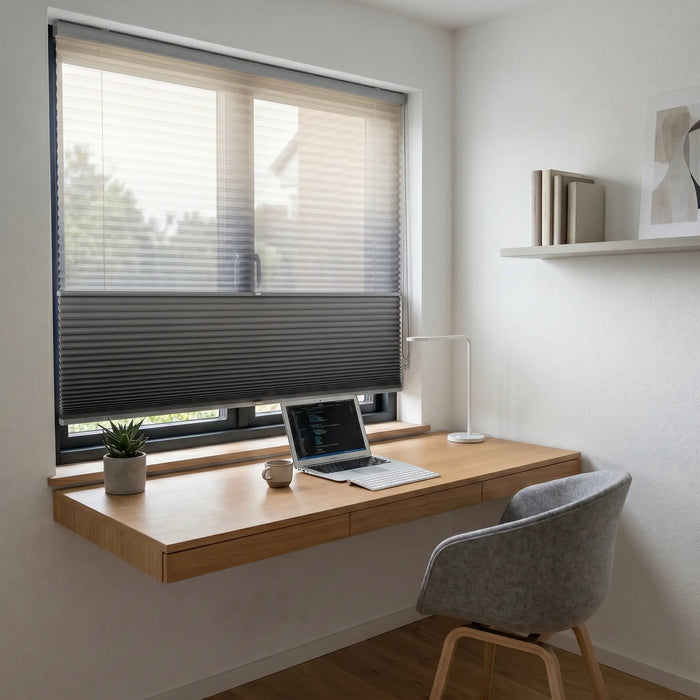
-
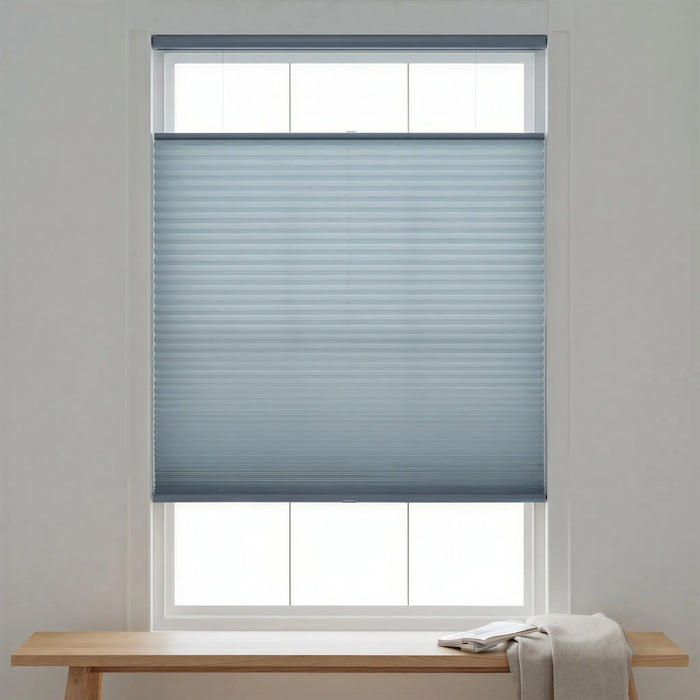 10 colors available(267)Free Shipping
 -
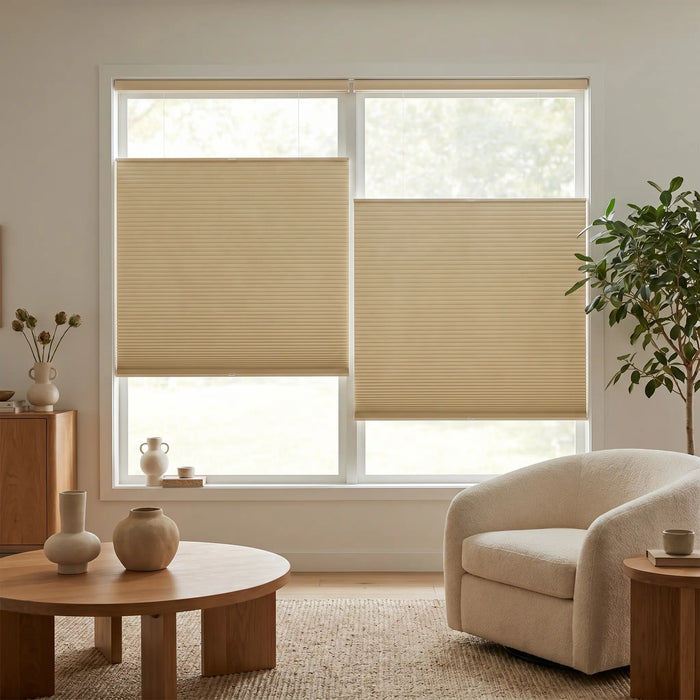 6 colors available(163)Free Shipping
 -
-
What to Consider for Basement Window Blinds
Basement windows face unique challenges requiring specialized window treatment solutions. Understanding these factors helps you choose the right window coverings.
Window Size and Placement
These windows are often smaller and positioned differently than main-floor windows. Many sit partially below ground level, limiting sunlight. Custom sizing ensures your window treatment fits perfectly.
Basement Function
How you use your space determines the best window treatment choice. Home theaters need blackout window blinds for complete darkness. Home offices benefit from light filtering treatments that reduce glare.
Humidity and Ventilation
Below-grade spaces naturally have higher humidity levels than upper floors. Choose moisture-resistant window treatments that withstand damp conditions.
Light Requirements
Limited sunlight is common in below-grade spaces. Light-filtering treatments maximize available sunlight while maintaining privacy. Blackout options work well for bedrooms or media rooms where complete darkness is essential. Some homeowners prefer a curtain, but window treatments offer better moisture resistance than traditional curtains. Curtains can trap moisture in humid basements.
Privacy and Security
Ground-level windows present unique security concerns. Solid materials block exterior visibility while providing essential privacy.
Best Window Treatments for Basement Windows
Several window treatment options work well in below-grade environments. Each offers specific benefits for spaces with unique challenges.
Faux Wood Blinds
These window blinds provide excellent moisture resistance for below-grade conditions. These blinds won't warp, crack, or fade in humid environments. They offer precise light control through adjustable slats. These blinds are affordable alternatives to real wood that perform better in damp basements.
Cellular Shades
Cellular shades, also called honeycomb shades, provide superior insulation for below-grade windows. Their structure traps air, creating a thermal barrier. These window shade options come in privacy and blackout styles. Synthetic shades resist moisture, making them ideal for below-grade environments.
Mini Blinds
Mini blinds offer budget-friendly solutions for compact windows. These compact window blinds fit well in tight spaces and provide effective privacy. Aluminum or vinyl materials resist moisture. Mini blinds are easy to install and maintain. Unlike curtains, these blinds are easier to clean and maintain than traditional curtains.
Roller Shades
Roller shades provide clean, modern designs that work well in below-grade spaces. Vinyl roller blinds offer complete moisture resistance, making them perfect for high-humidity areas. These window shades come in blackout, light-filtering, and solar screen options.
Roman Shades
Roman shades add classic style to below-grade spaces when made with moisture-resistant materials. Roman shades provide sophisticated solutions for finished spaces.
Pleated Shades
Pleated shades work well for compact windows where space is limited. These compact window shades offer excellent privacy while maintaining a clean appearance when raised.
Zebra Blinds
Zebra blinds provide modern design with alternating sheer and opaque bands. Zebra blinds allow you to adjust visibility while maintaining an unobstructed view when desired.
Solar Shades
Solar shades protect stored items from damaging UV rays while maintaining visibility. These shades reduce glare and prevent UV damage to valuable equipment.
Benefits of Basement Window Blinds
Proper window treatments provide essential benefits for below-grade spaces.
Privacy and Security
Window treatments provide essential privacy for ground-level windows. Solid materials block exterior visibility, preventing passersby from seeing inside your space. This security feature protects valuable equipment.
Light Control
Window treatments give you complete control over sunlight in your space. Privacy options maximize available sunlight while maintaining privacy. Blackout treatments create complete darkness for bedrooms or media rooms.
Energy Efficiency
Quality window treatments help insulate your space, reducing energy costs. Cellular shades trap air in their structure, creating a thermal barrier at your windows.
UV Protection
Window treatments protect stored items from damaging ultraviolet rays. Solar shades and blackout blinds prevent UV damage to furniture, equipment, and other valuable items. Unlike curtains, these window coverings provide better protection than traditional curtains.
Moisture Resistance
Moisture-resistant window treatments withstand humid conditions without damage. These blinds, vinyl roller shades, and synthetic shades resist mold and mildew.
Design Tips for Basement Windows
Creative design strategies can enhance your windows and improve the overall feel of your space.
Making Small Windows Look Bigger
Install window treatments higher and wider than the actual window frame to create the illusion of larger windows. This technique extends visual lines.
Maximizing Natural Light
Choose privacy treatments in light colors to maximize available sunlight. White, cream, or pale gray window shade options diffuse and reflect light throughout your space. This helps brighten your basement naturally.
Creating Illusion of Space
Hang window treatments higher than the window frame to create a sense of height. This technique makes the space feel more open.
Installation and Maintenance
Proper installation and regular maintenance ensure your window treatments perform well over time. Professional installation ensures proper fit for non-standard window sizes. Precise measurements are crucial for windows, which may have settled or shifted over time.
Common Questions About Basement Window Blinds & Shades
What are the best blinds for basement windows?
These blinds, cellular shades, and mini blinds work best. These window covering options provide moisture resistance and privacy. These blinds offer excellent performance in below-grade spaces. A quality blind makes a significant difference.
What is the cheapest way to cover basement windows?
Mini blinds offer the most affordable option. These budget-friendly blinds provide effective privacy.
Do they make blinds for basement windows?
Yes, many window treatment options work well. Custom sizing ensures perfect fit for non-standard window dimensions.
What are people using instead of blinds for basement windows?
Many homeowners choose cellular shades, roller shades, or these blinds. These alternatives offer moisture resistance and energy efficiency.
Are there cordless blind options for basement windows?
Yes, these options are available for most window treatments. This eliminates safety hazards and provides convenient control for hard-to-reach windows. These cordless window blinds work well in basements.
What type of window coverings are best for basements with high humidity?
Moisture-resistant options like these blinds, vinyl roller shades, and synthetic shades work best. These materials resist mold and mildew.
What features should I look for when choosing basement window blinds?
Look for moisture resistance, energy efficiency, and privacy features. Consider your space's function and humidity levels.
How can I maximize natural light in my basement with window coverings?
Choose privacy treatments in light colors like white or cream. Top-down bottom-up shades allow sunlight from the top while maintaining privacy.
How can I make small basement windows look bigger with window treatments?
Install treatments higher and wider than the window frame. Use light-colored window coverings and extend width to cover unsightly blemishes in drywall or window frames.
What are some design ideas for basement window treatments?
Consider mounting treatments higher than the frame, using light colors to reflect light, and choosing clean lines.
