Skip to content


The Ultimate Guide: How to Choose Window Treatments


Think of your window treatments like the perfect jacket to complete an outfit. They are usually the last thing you add when decorating, but they can change the room’s entire look. Window treatments can dress up or dress down any space. And in addition to their impact on your home’s aesthetics, they play a substantial role in blocking out the sun’s harmful UV rays and improving your windows’ energy efficiency. To put it simply, window treatments are much more important than many people realize.
Key Takeaways
- Window treatments significantly affect room appearance while blocking UV rays and improving energy efficiency.
- Shades use fabric on a rod with lift mechanisms; blinds use slats in various materials like faux wood.
- Drapes are structured floor-length panels for formal feel; curtains are lighter and hang below the sill.
- Functional needs drive choices: privacy, UV protection, and safety concerns for children or pets.
- Layering adds visual depth and combines sheer curtains with shades or solar shades for varied light control.
If you are in the market for new window treatments, you might be feeling overwhelmed by all the options and unsure of what would best suit your home. Whether you’re shopping for dining room blinds, looking for the perfect solar shades for your living room or trying to figure out how to dress the other windows in your home, keep reading to learn more about how to choose window treatments.
Wooden Blinds Are the Perfect Option for Any Room!
Understand Various Treatment Types
Aside from cost-related inquiries like “How much do window blinds cost?” the most common questions we hear relate to the differences between various types of window treatments.
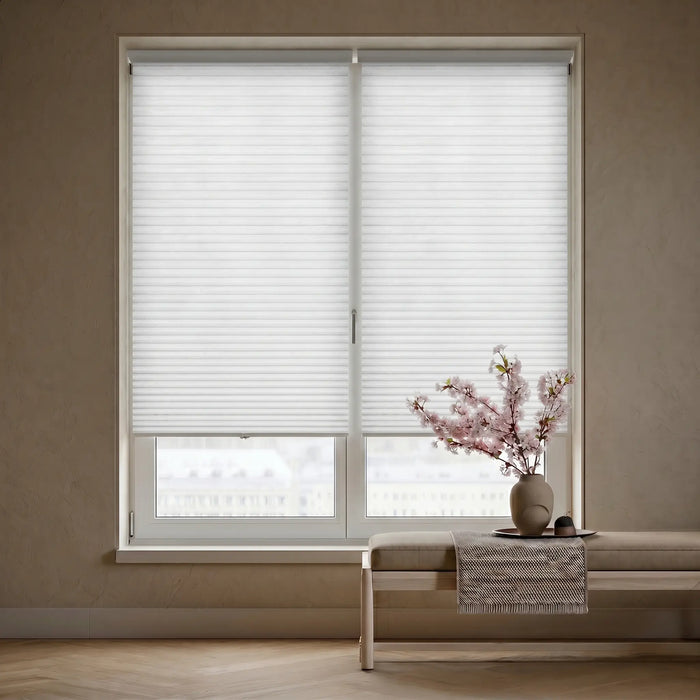
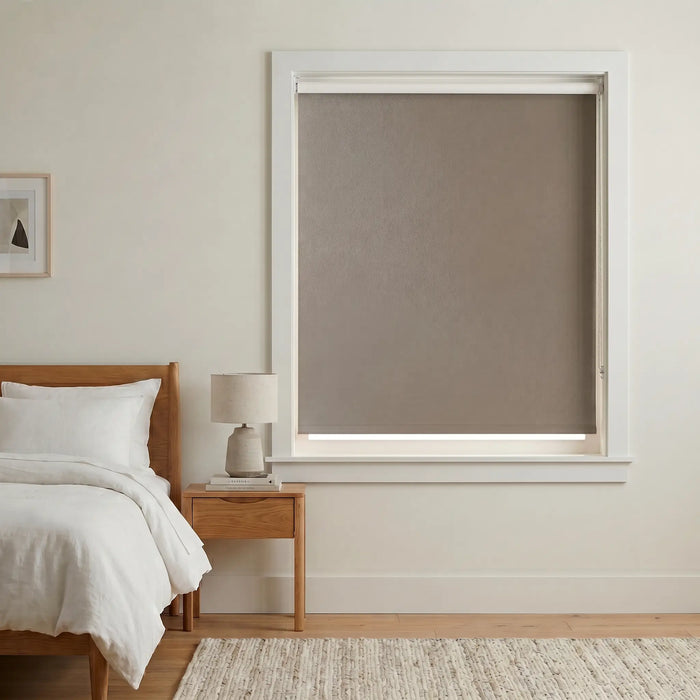
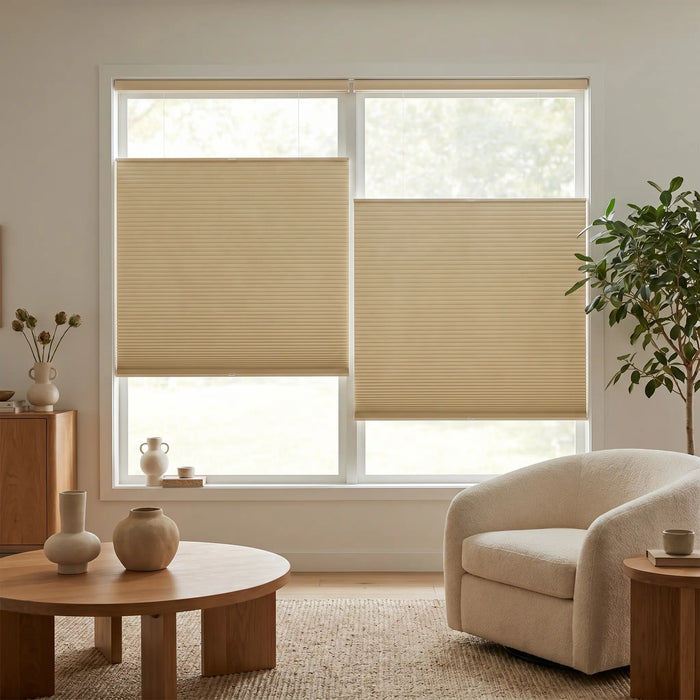
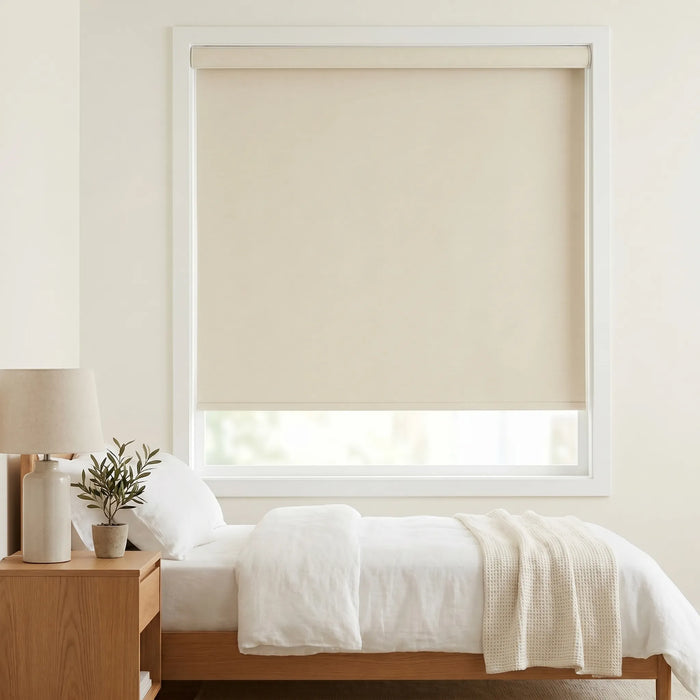
Shades are made of fabric that’s attached to a frame or rod at the top. A lift mechanism — usually a cord — raises the shade to let light enter. The fabric may roll around the rod or fold into a stack depending on the shade’s style.
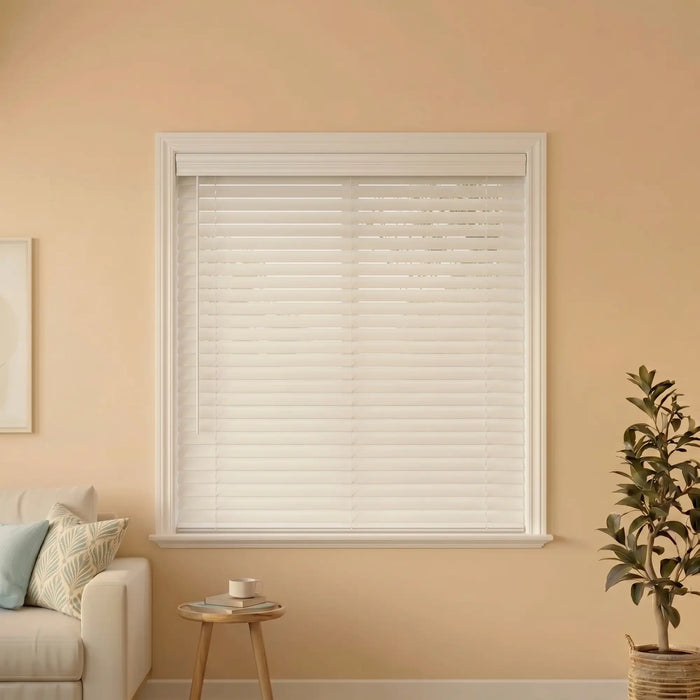
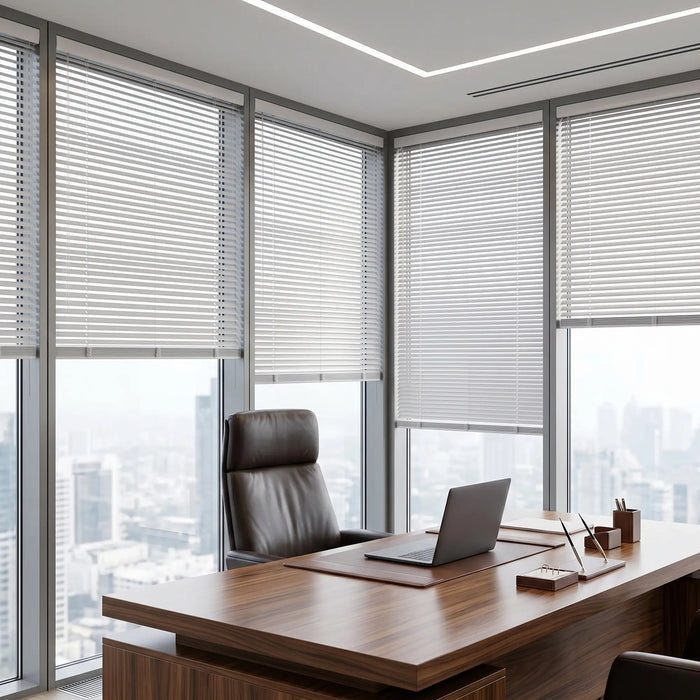
Blinds are attached to a frame and feature a lift mechanism. Unlike shades, though, they are made of slats or louvers instead of fabric. They come in several materials, including aluminum, wood, bamboo and vinyl. Faux wood blinds are especially popular because they dress up windows and are highly durable and affordable.
Drapes are structured fabric panels that typically hang to the floor and give a room a formal feel.
Curtains are made of lighter, less-structured fabric. They usually hang just below the windowsill and move gently in a breeze.
Consider Functional Requirements

Source: Kateryna Kubitsa/Shutterstock.com
Aesthetics are important when choosing window treatments, but functionality should always be your primary concern. For example, privacy is a crucial consideration for bedroom and bathroom windows. And if you have bright, sunny windows, window treatments that block out UV rays are essential.
Think about your family, too. Floor-length drapes add a touch of elegance to any space, but they could be dangerous in homes with small children or pets.
Use Multiple Layers
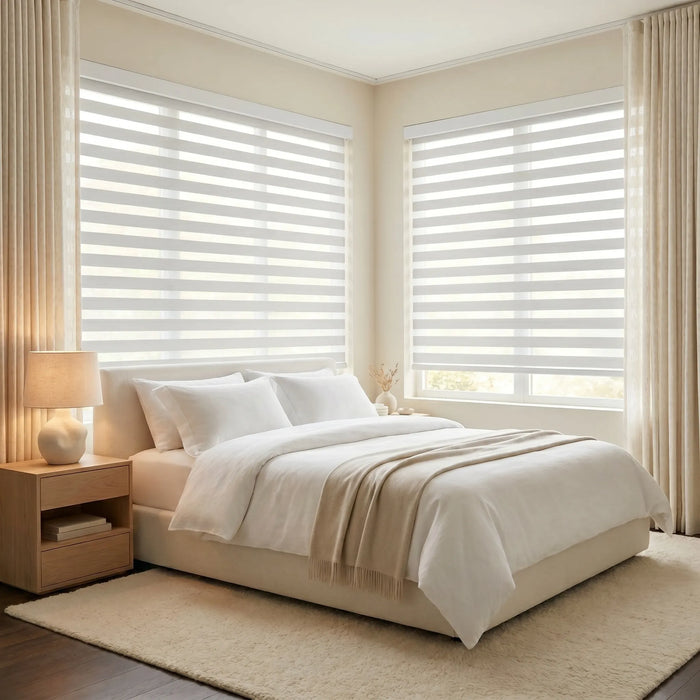
Layering your window treatments serves two purposes. First, it’s a great way to add dimension to your windows and turn them into stunning focal points. Second, layering enables you to meet both your functional needs and aesthetic preferences.
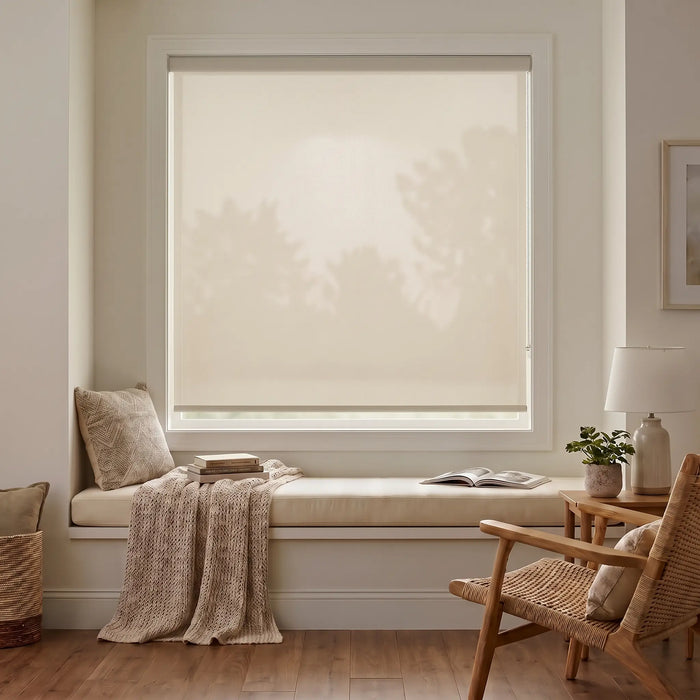
If you love the light, breezy look of sheer curtains, consider pairing them with a roller shade for those times when you need a bit more privacy. Or install a solar shade to keep the sun from bleaching your heavy drapes.
Pay Attention to Your Home’s Architecture

Source: TarnPisessith/Shutterstock.com
Not all window treatments are suitable for all spaces. If you have slanted ceilings or dormer windows, for example, you might not be able to hang a curtain rod. In these instances, blinds may be the only option.
Architecture is an important consideration when it comes to creating your desired look in a space, too. Blinds and shades are typically better suited to large windows and windows that are situated around a corner.
Keep Your Window Treatments Consistent
You don’t need to have the same window treatments in every room. However, you should keep them similar throughout your home. Consistency gives your home a cozy, cohesive feeling and prevents it from feeling disjointed. To keep things interesting while remaining consistent, install the same blinds or shades in every room, but add curtains or drapes in different colors to make each space unique. Just make sure the colors coordinate!
Browse Our Collection to Upgrade Your Dining Room Blinds
Prioritize Quality
Your window treatments are an essential part of your home. As such, quality should always be one of your primary concerns. Choosing and installing the right blinds, shades, curtains and/or drapes is a big project, and you want your efforts to last. When you purchase high-quality products, you can rest assured that they will last for several years. Quality window treatments are easier to maintain, too, and less susceptible to damage.
When you are looking for new blinds and shades, we can help. Check out our entire collection to find products that are perfect for your home.
For more information check out FactoryDirectBlinds.com Youtube Channel
Frequently Asked Questions
How do I decide between blinds, shades, curtains, and drapes?
Choose based on material and operation: shades are fabric that roll or fold, blinds use slats or louvers in materials like wood or faux wood, drapes are structured floor-length panels, and curtains are lighter and hang just below the sill. Consider the look you want and the level of light control each type provides.
What practical factors should I prioritize when selecting window treatments?
Prioritize function: privacy is essential for bedrooms and bathrooms, UV-blocking treatments protect interiors in sunny rooms, and consider child or pet safety when choosing floor-length options. If energy efficiency matters, choose treatments that fit tightly or offer insulating materials.
Can I layer window treatments, and what benefits does layering provide?
Yes — layering adds visual dimension and lets you meet multiple needs: for example, pair sheer curtains with a roller shade for light when desired and privacy when needed, or use a solar shade under heavy drapes to protect fabrics. Layering helps balance aesthetic and functional requirements.
How do I ensure the correct size and fit for custom blinds or shades?
For accurate sizing on custom blinds or shades, measure carefully using inside- or outside-mount dimensions and account for mounting depth; for step-by-step guidance, see our how to measure blinds and shades guide. Accurate measurements ensure proper fit and function, especially for corner or unusually sized windows.