Skip to content


5 Key Benefits of Cellular Shades


If you are comparing window coverings, cellular shades keep showing up for good reason. The honeycomb structure traps still air at the glass, which supports comfort, light control, and a soft look that works in many rooms. The benefits of cellular shades are not mysterious: they come from how the cells are built, how fabric opacity is chosen, and how you operate the shade day to day.
Key Takeaways
- Honeycomb cells trap air at the window, improving insulation and reducing heat transfer.
- Wide fabric opacities enable soft light filtering, room darkening, or full blackout for privacy.
- Fabric and trapped air absorb sound energy, softening street noise and indoor echoes moderately.
- Cordless, motorized, and top-down bottom-up lifts improve safety and convenience for different room needs.
- Pleated profile and varied colors, cell sizes, and stack heights support cohesive interior styling.
This article lists five practical advantages people notice first.
1. Insulation and Energy Efficiency at the Window
The headline benefit for many homeowners is thermal performance. Rows of bonded fabric form hollow cells; when the shade is lowered, those cells hold pockets of air that slow heat movement between your room and the glass. That helps insulate against winter heat loss and summer solar gain compared with bare windows or a single thin fabric layer.
Double- and triple-cell builds add more trapped air and usually improve performance over a single layer, with trade-offs in cost and stack height. R-value describes how much a material resists heat flow; higher numbers mean better insulation at the shade. Published R-value or insulation notes are useful for comparing products, though real performance still depends on fit, mount, and gaps at the frame.
Real-world savings depend on climate, window quality, mount style, and whether you lower the shade when it matters. Treat efficiency gains as a strong comfort and utility story, not a guaranteed dollar amount on every bill.
2. Flexible Light Control and Privacy
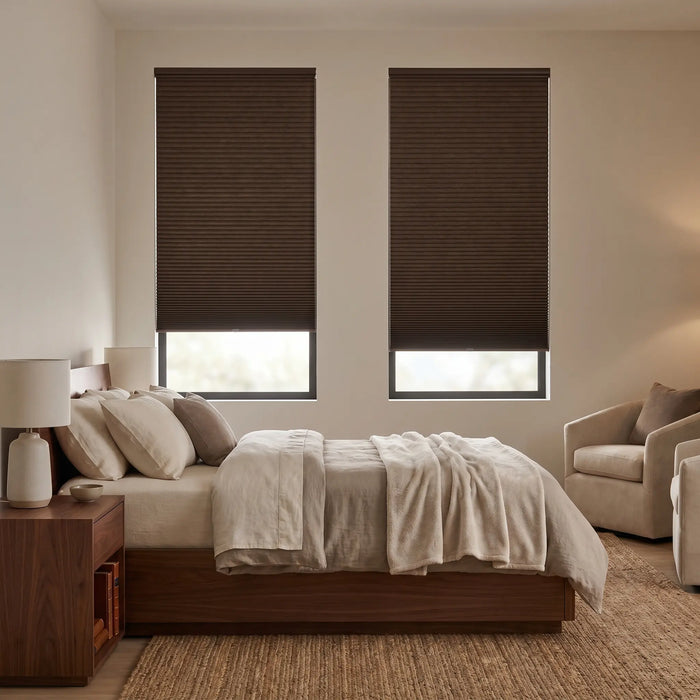
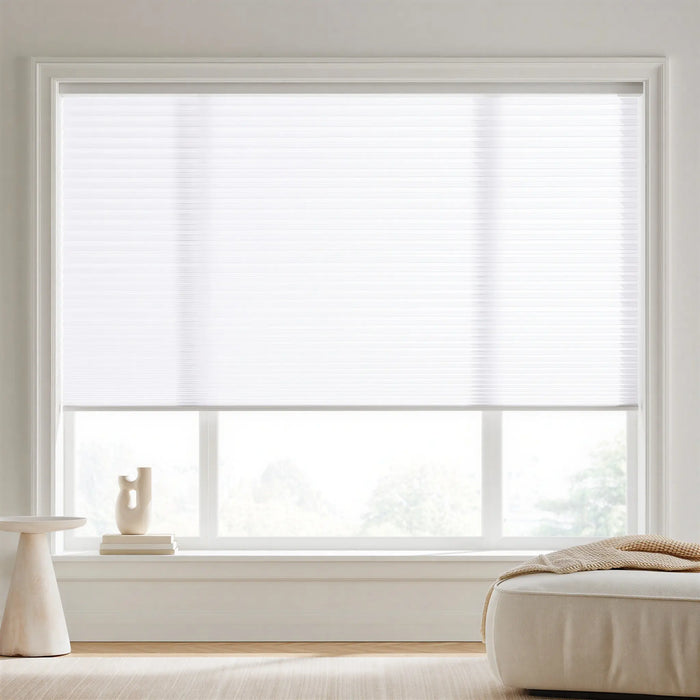
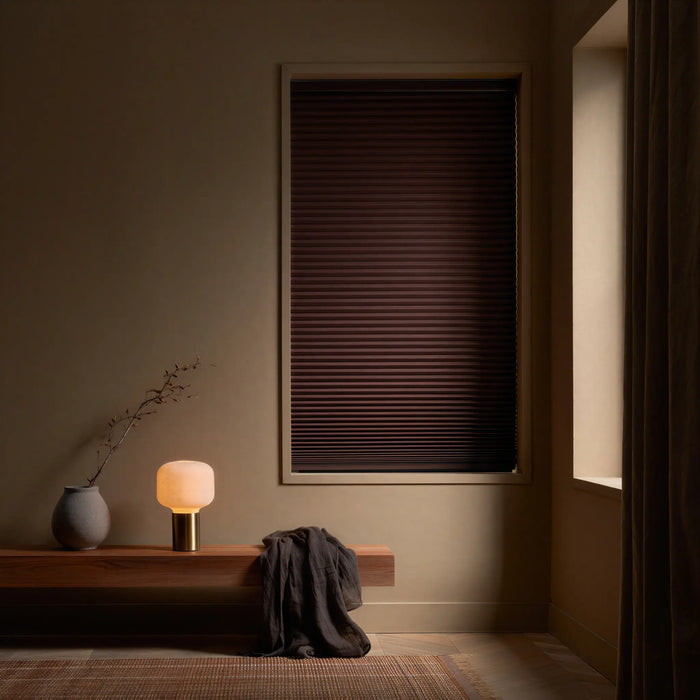
Cellular shades span a wide range of opacities: sheer and light filtering fabrics that soften natural light, room-darkening options for a dimmer space, and blackout constructions for bedrooms, nurseries, and media rooms. Blackout cellular shades are especially useful when you want the insulation benefits of the honeycomb design along with stronger privacy and light control. One category can cover different needs room by room without changing your whole design language.
Privacy follows fabric choice and time of day. Light-filtering materials often work well for daytime privacy while keeping rooms bright; darker or layered fabrics help at night when indoor lights are on. If you need minimal gaps for sleep or glare control, pair fabric choice with inside mount versus outside mount and how the shade meets the frame. Those choices are spelled out in the buying guide.
3. Softer Sound and a Calmer Room
Fabric and trapped air absorb some sound energy compared with bare glass or hard slats. Cellular shades can dull street noise, HVAC rumble, and sharp echoes in everyday living spaces. This is usually a secondary benefit, not studio-grade soundproofing: expect “less harsh,” not total silence.
Double cell constructions sometimes add a bit more mass and separation than a single cell, which may help slightly in noisy environments. For loud locations, you still think about glazing and wall construction; the shade takes the edge off for typical homes.
4. Safer, More Convenient Operation
Lift options turn a static product into something that fits how you live. Cordless systems remove dangling cords from the equation. An important consideration anywhere young children or pets spend time. Motorized shades add remote, app, or automation control and remove operating cords entirely, which helps hard-to-reach windows.
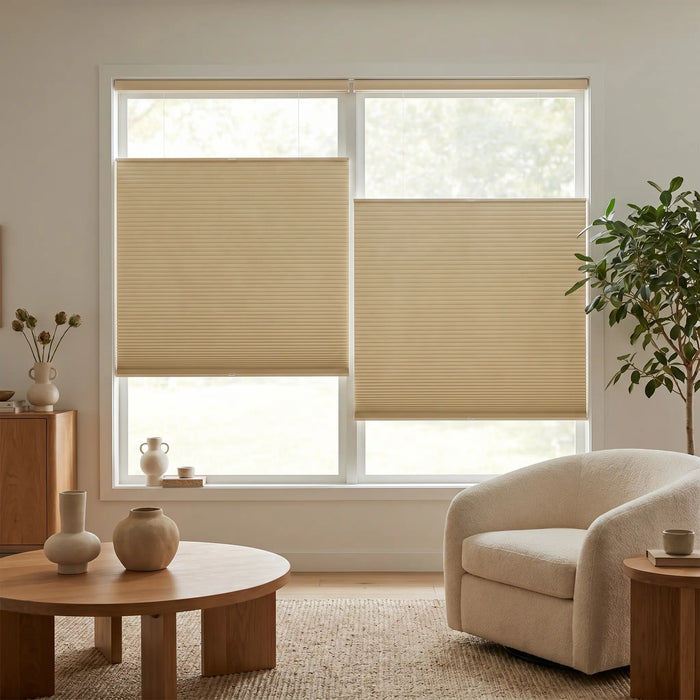
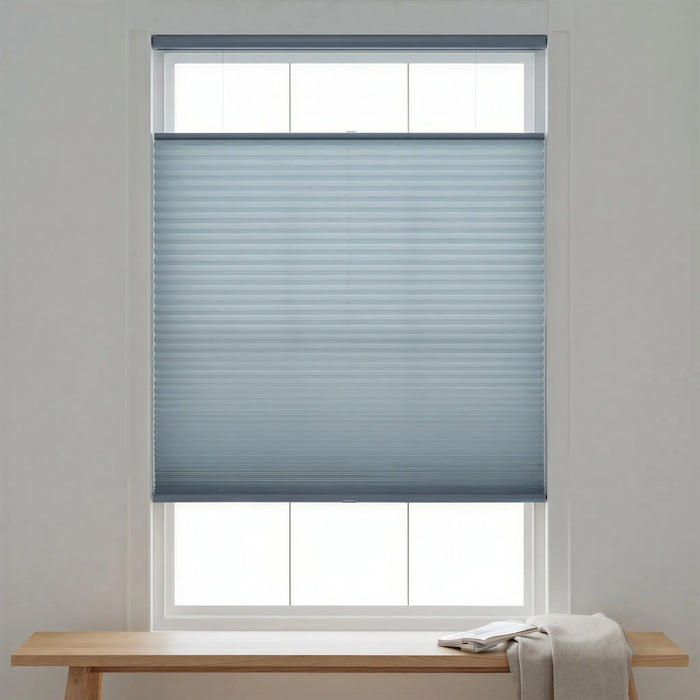
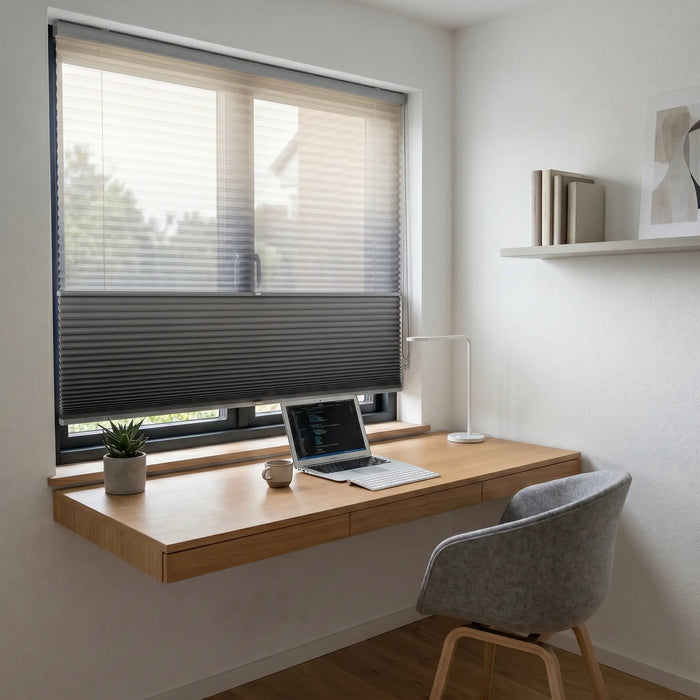
Top-down bottom-up operation lets you drop the shade from the top, raise from the bottom, or both, so you can keep privacy below while admitting daylight above. Not every room needs every feature, but the category offers more ways to match safety and convenience than many basic alternatives.
5. Versatile Style for Most Interiors
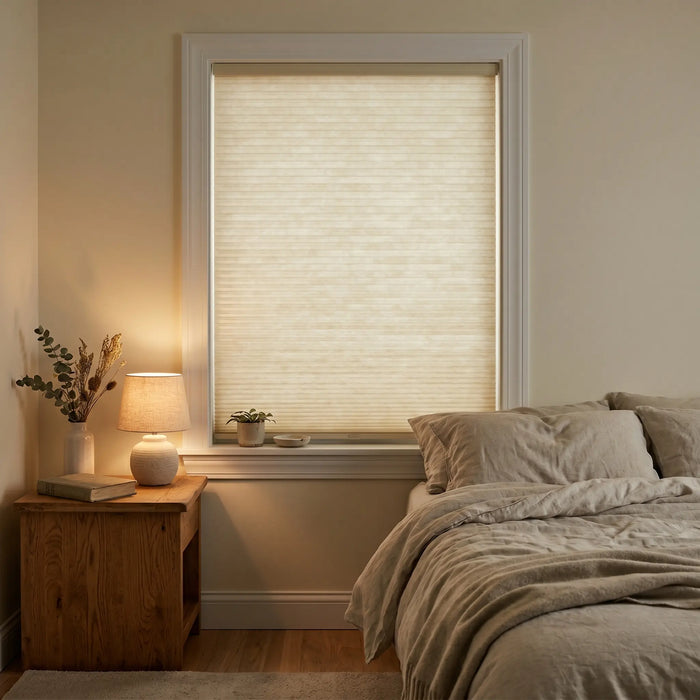
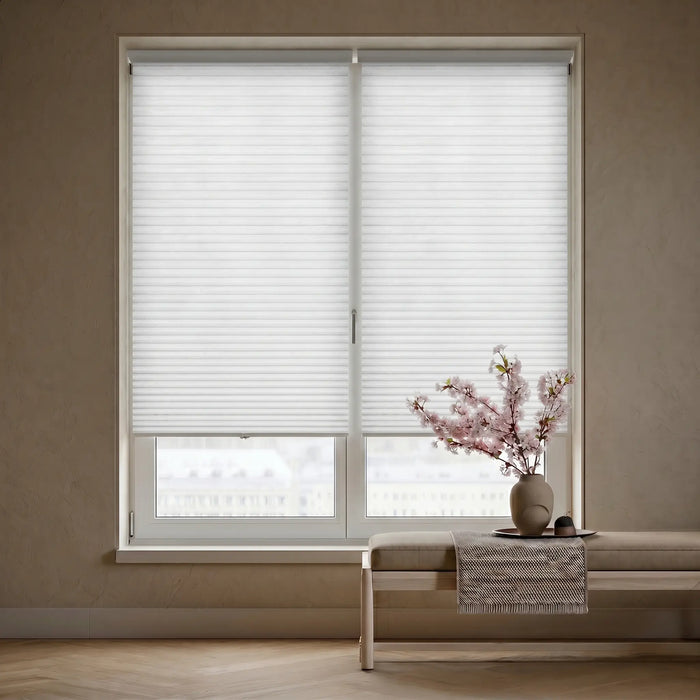
The pleated, soft profile reads modern and tailored without heavy bulk. Cellular shades work in living rooms, kitchens, bedrooms, and offices where you want fabric at the window instead of metal or vinyl slats. Color and cell size change the look; stack height when the shade is open is worth planning on large openings.
If you want the same visual language across the house, you can often standardize on one product family and change only fabric and lift type per room.

How the Benefits Compare to the Cost
Cellular shades usually cost more than bare-bones roller shades or simple blinds, but you are paying for layered performance and options. Whether that trade is right for you depends on budget, climate, window quality, and how long you plan to stay in the home.
Frequently Asked Questions
What is the main benefit of cellular shades?
For most buyers, the combination of insulation at the glass and flexible light control is the draw. Noise softening and cordless or motorized operation matter next, depending on the room.
Do cellular shades reduce energy bills?
They can support lower heating and cooling loads when windows are a weak spot and shades are used consistently. Exact energy impact varies by home; expect directional improvement rather than a fixed percentage on every utility statement.
Are cellular shades better than blinds for insulation?
Generally yes for continuous fabric versus open slats, because the honeycomb holds still air and blocks less stray air movement when the shade is down. Hard blinds win on tilt precision; cellular shades win on a sealed fabric layer and trapped air.
Do cellular shades work in bathrooms?
Moisture can stress fabric and hardware over time. If humidity stays high, confirm the fabric is rated for that use or choose another window treatment suited to wet rooms.
Can you get blackout and insulation in one shade?
Yes. Blackout cellular fabrics pair dense opacity with the same cell structure; mount and side gaps still affect how dark the room feels.
Summary
The benefits of cellular shades come down to five ideas: better performance at the glass, flexible light and privacy, softer sound, operation choices that fit safety and convenience, and a versatile look. Match cell layers and fabric to each room, then confirm measurements and lift type before you order.