Skip to content


Getting to know Roller Shades
Standard or Reverse??
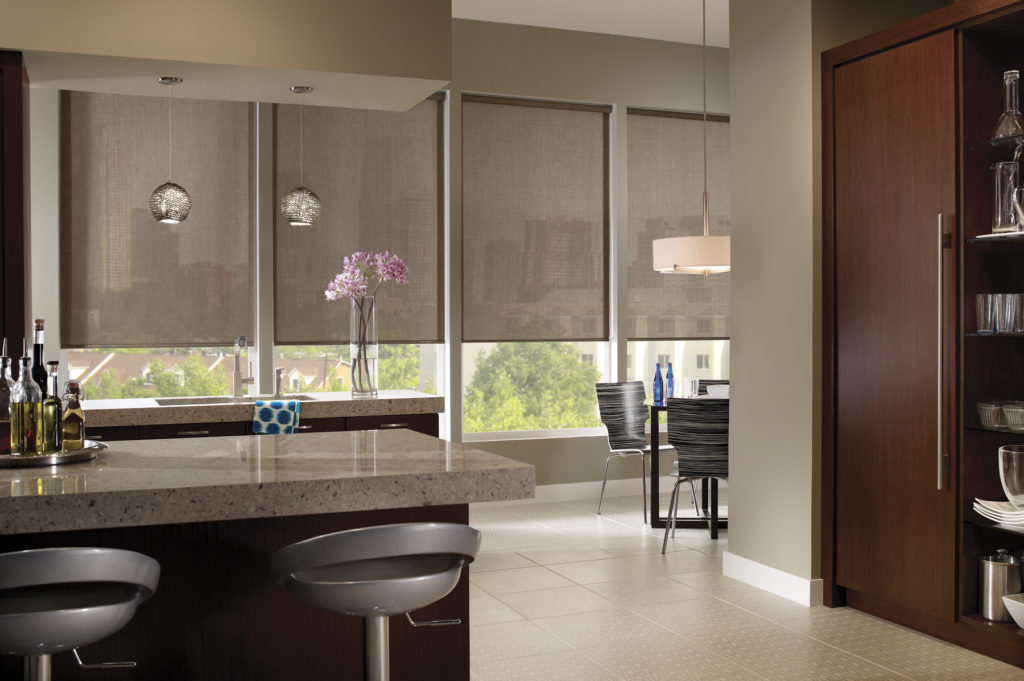
Roller shades are the up and coming in the world of Window Coverings, they are easy to operate, look sleek and come with tons of upgrade options, but do you ever come across the wording Standard or Reverse roll? I'm sure you ponder it in your mind before committing to a certain one but lets dive deeper into the differences.
Key Takeaways
- Roller shades combine a sleek appearance with easy operation and multiple upgrade options.
- Standard roll wraps nearest the glass, blocks more light while revealing more roller hardware.
- Reverse roll drapes fabric over the tube in a waterfall, hiding hardware for a finished look.
- Reverse roll projects fabric outward, helping clear door handles and accommodating minimal window depth.
- Valances conceal exposed hardware on standard rolls, producing a sleeker finished appearance.
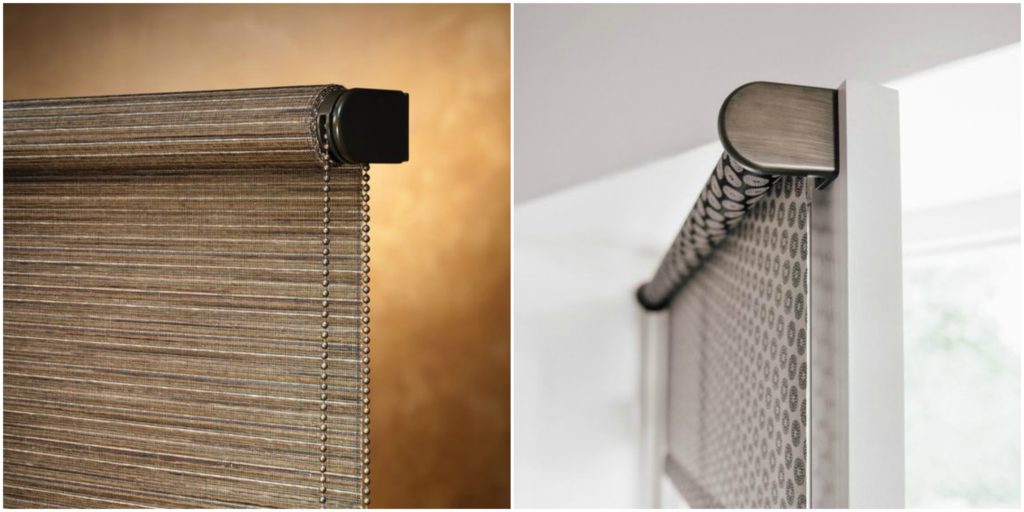
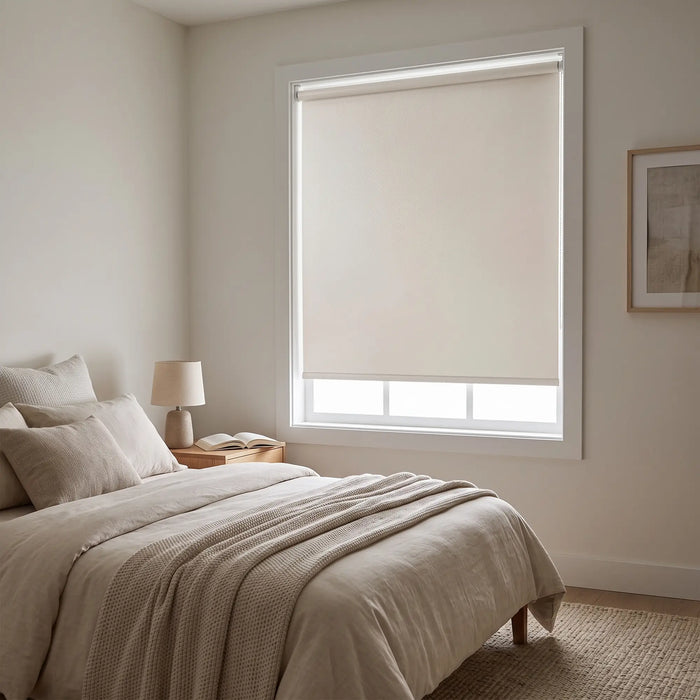
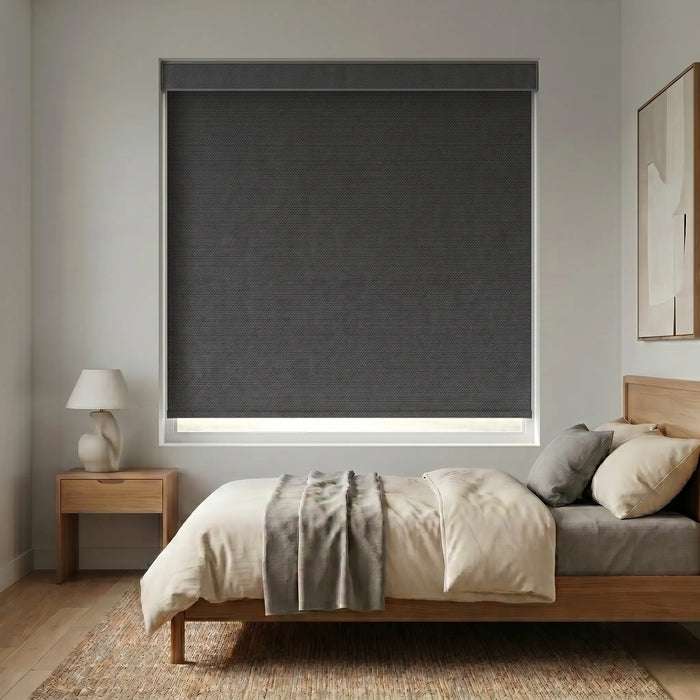
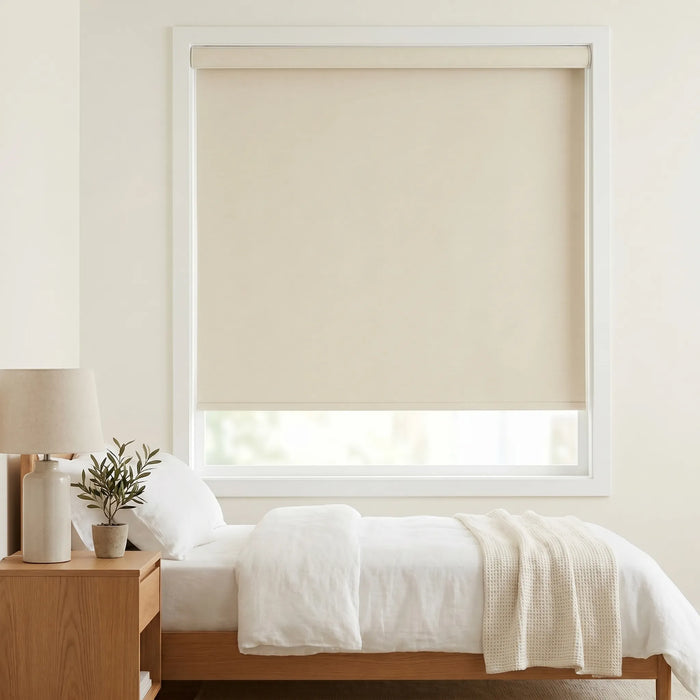
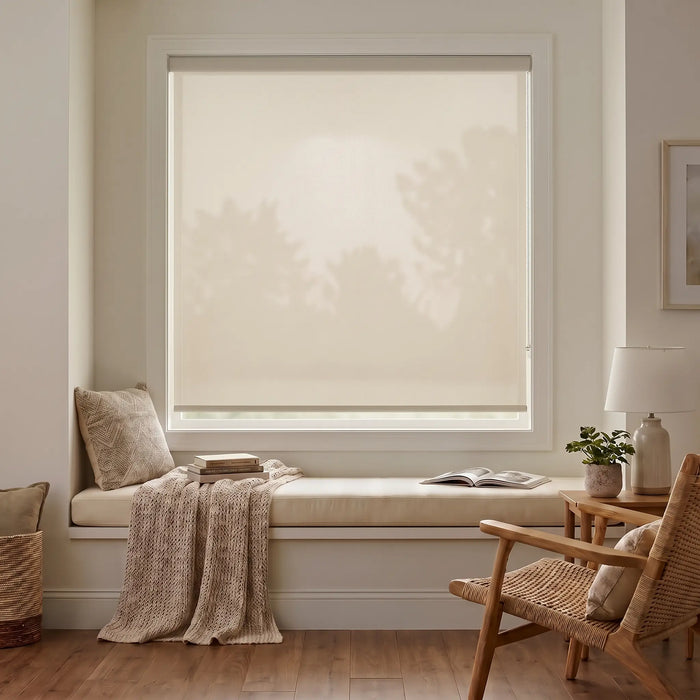
A Standard Roll is the most common option when purchasing a Roller Shade. This is when the Roller Shade rolls closest to the glass and allows the least amount of light in. A downside of a standard roll is you are able to see more of the hardware and not too many people like the look of this. If you are one of those people, we would definitely recommend upgrading to a Valance. Valances will hide all of the hardware and will definitely make your shade look more sleek.
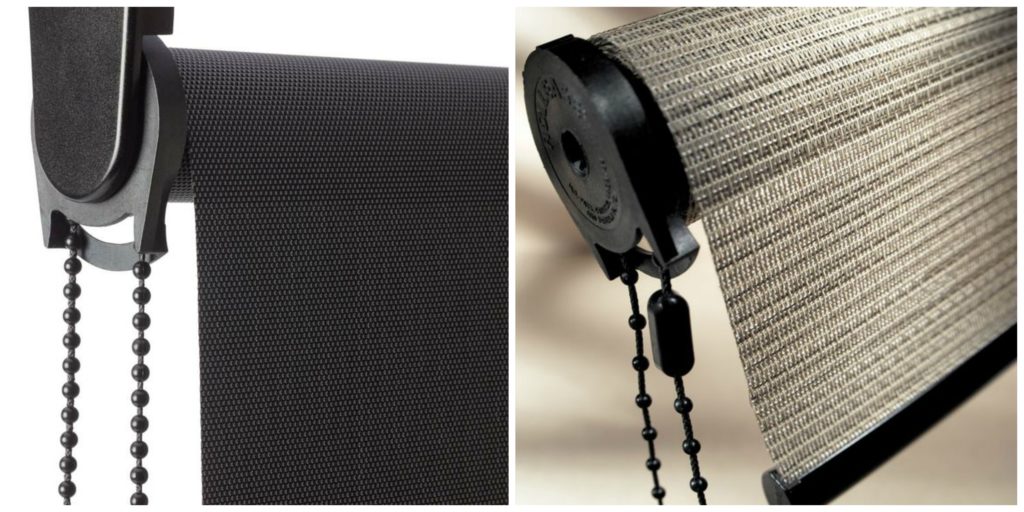
A Reverse Roll is when the fabric comes over the top of the Roller Shade in a "waterfall" style. This hides more of the tube so it gives the shade more of a finished look without the need for a Valance. Reverse Rolls are great for clearing the handles on doors, or cranks on older windows. The reverse roll pushes the fabric out more than the standard roll does, which is great when you have minimal window depth. 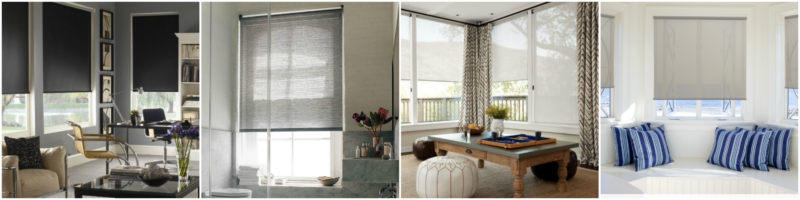
Deciding which style is always easier when you understand the differences. So which do you prefer? Check back soon and take a look at our valances, and different pull types you are able to get on Roller Shades!
Frequently Asked Questions
What is the difference between a standard roll and a reverse roll roller shade?
A standard roll wraps the fabric closest to the glass, which allows the least amount of light in but exposes more of the roller hardware. A reverse roll drapes the fabric over the front of the tube in a waterfall style, hiding more of the tube for a finished look and pushing the fabric outward from the window.
Will a reverse roll help clear door handles or window cranks?
Yes. A reverse roll pushes the fabric out away from the glass, which helps clear handles, door pulls, and older window cranks so the shade can operate without hitting them. If you need to confirm fit for a specific depth, check how to measure blinds and shades for accurate clearance.
Does a reverse roll eliminate the need for a valance?
Often yes — because the reverse roll hides more of the tube it produces a cleaner, more finished appearance without adding a valance. By contrast, a standard roll shows more hardware and many customers choose a valance to conceal it.
When should I choose a standard roll roller shade?
Choose a standard roll if you want the fabric to sit closest to the glass and to minimize light leakage, since it is the most common option. Keep in mind standard rolls show more of the hardware, so consider adding a valance if you prefer a sleeker look.