Skip to content


What's What: Solar Screen Openness


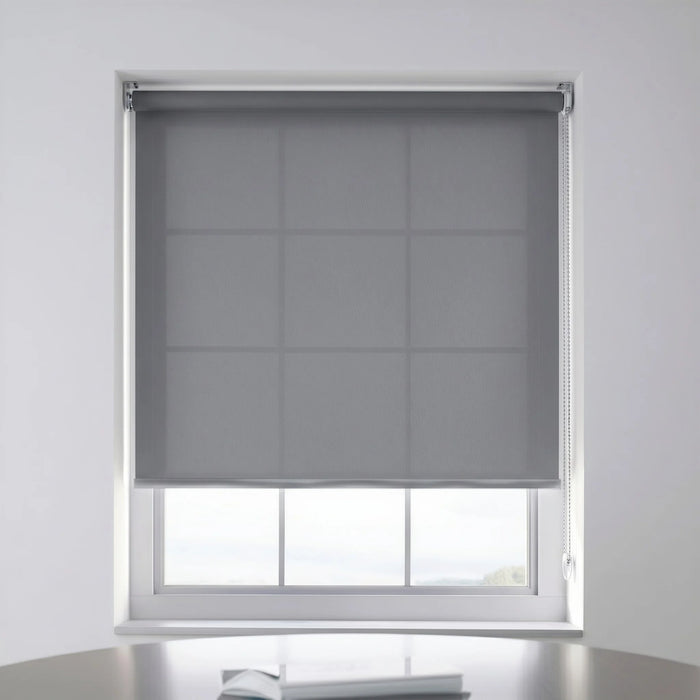
When it comes to window treatments, different people prefer to have different aesthetic coverings depending on the privacy and light control they like. One of the many window treatment options available is the roller shade solar screen. Also referred to as screen shades, they are used to block UV sun rays from entering the house, hence protecting interior décor and furniture from sun damage.
Key Takeaways
- Solar screen roller shades block UV rays, protecting interior furnishings and reducing sun damage.
- Openness measures gap size in the woven fabric, indicating how much can be seen through.
- Openness percentages range from 1% to 14%, directly affecting light transmission and transparency.
- Lower openness (e.g., 1%) yields tighter weave with less light and reduced outside visibility.
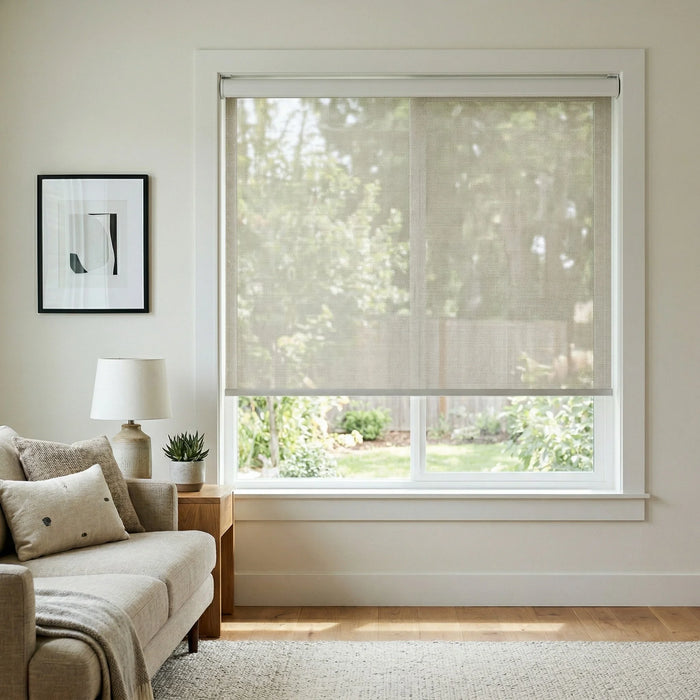
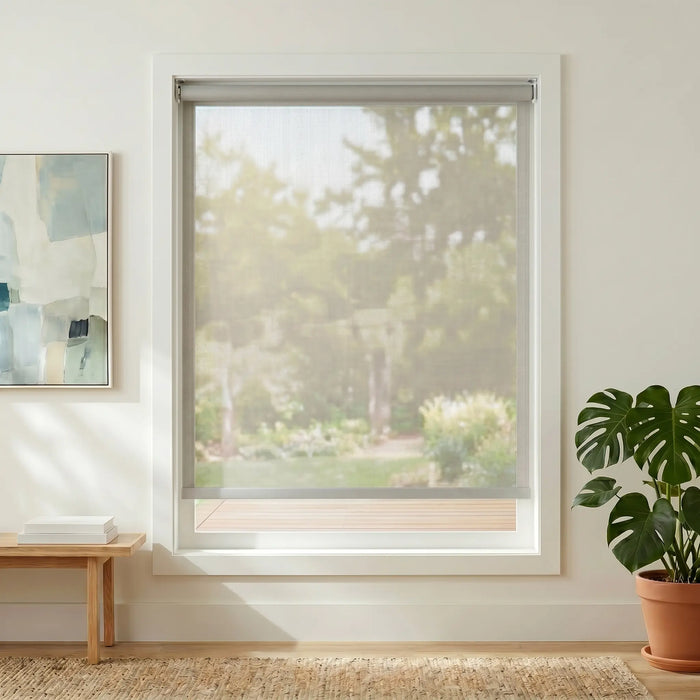
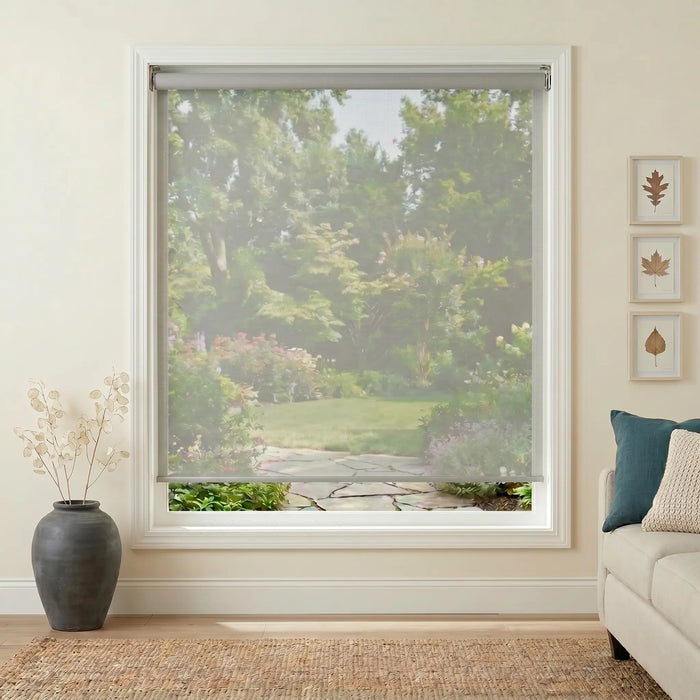
To choose a roller shade solar screen that fits your privacy and light control needs, you need to first understand its openness factor. Openness refers to how large the gaps in the woven fibers of the screen fabric are. It refers to the amount one is able to see through the shade.

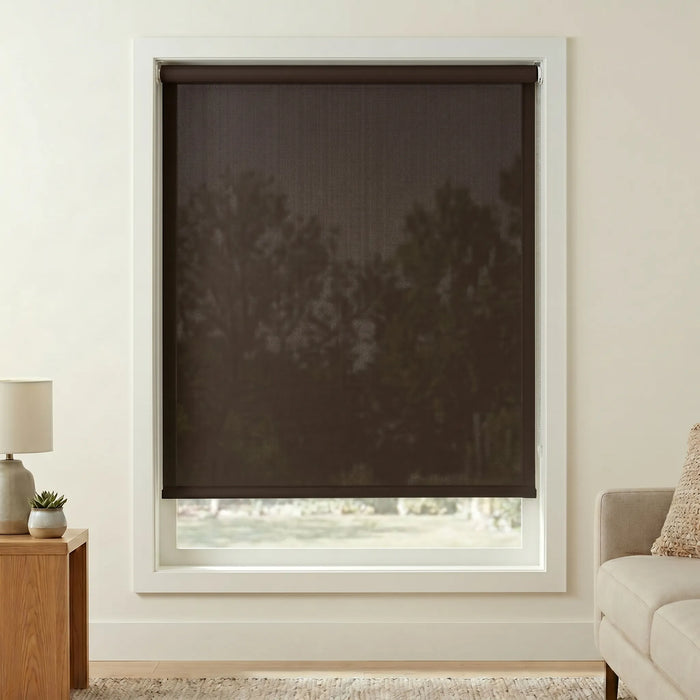
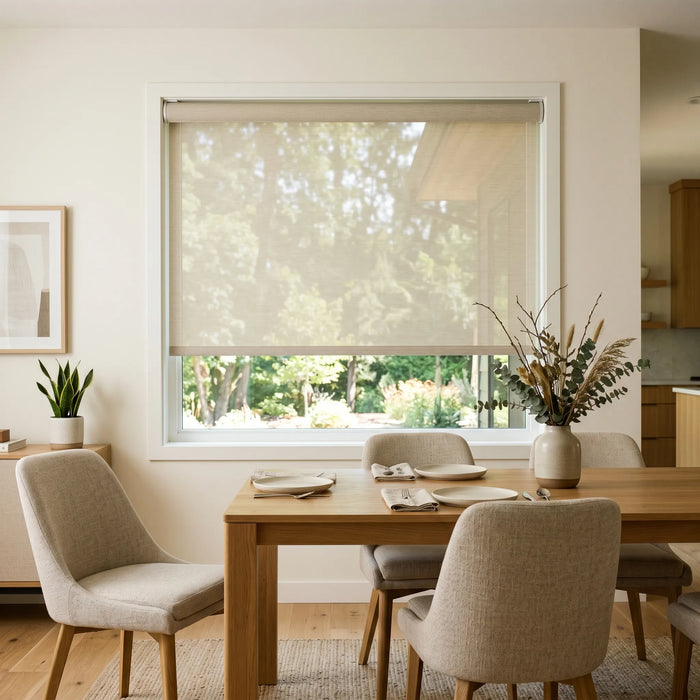
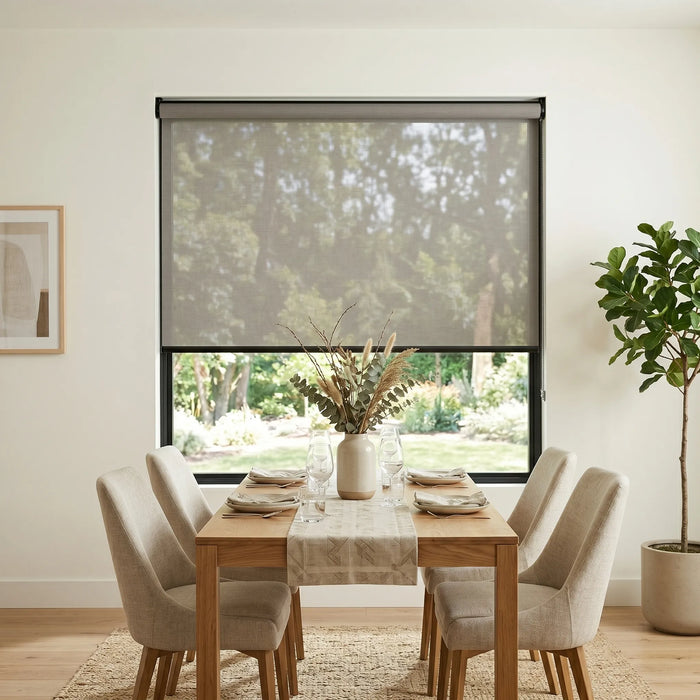
Openness comes in different percentages ranging from 1% to 14% openness. This difference in percentage determines how much light is allowed inside the room. The larger the percentage, the more the transparency. A larger percentage therefore allows more light to enter the room with a less obstructed view. A lower openness percentage creates a more opaque screen, allowing less light to enter the room. For example, a 1% openness screen shade is made of a tighter woven fabric than that of 3% openness, hence it lets in less light.
FAQ's
What does openness percentage mean for solar screen shades?
Openness percentage describes the size of the gaps in the woven fibers of the screen fabric and indicates how much you can see through the shade. The article notes openness ranges from 1% to 14%.
How does openness percentage affect light and privacy?
A higher openness percentage gives more transparency and lets more light into the room, while a lower percentage produces a tighter weave that reduces visible light and sightlines. For example, a 1% openness screen is made of a tighter woven fabric than a 3% openness and therefore lets in less light.
Which openness percentage offers the most protection against UV and sun damage?
Lower openness percentages provide greater blockage of light, so they reduce exposure to UV rays and help protect interior décor and furniture from sun damage. The article links solar screen shades with UV protection and indicates tighter weaves let in less light.
How should I choose the right openness for my privacy and light control needs?
Decide whether you prioritize view and natural light or privacy and reduced glare: pick a higher openness for more outward visibility and daylight, and a lower openness for darker, more private rooms. You can order free samples of fabrics and colors to compare how different openness levels look in your space.