Skip to content


Blinds and shades both cover your windows, but they work and look very different. When you're weighing blinds vs shades, the right window treatment can make a big difference in comfort and style.
Key Takeaways
- Blinds have adjustable horizontal or vertical slats; shades are single fabric panels that raise and lower.
- Slatted blinds allow precise light and privacy adjustments; shades control light by fabric opacity and position.
- Cellular shades offer the best insulation; standard blinds provide limited thermal protection compared to honeycomb pockets.
- Cleaning differs: blinds need regular dusting between slats; shades usually require light vacuuming or spot cleaning.
- Basic vinyl or faux wood blinds often cost less; shades' price varies with fabric, liners, or motorization.
This guide explains what blinds and shades are, how they differ in construction, light control, privacy, maintenance, cost, and energy use, and how to choose the best option for your space.
What Are Blinds?
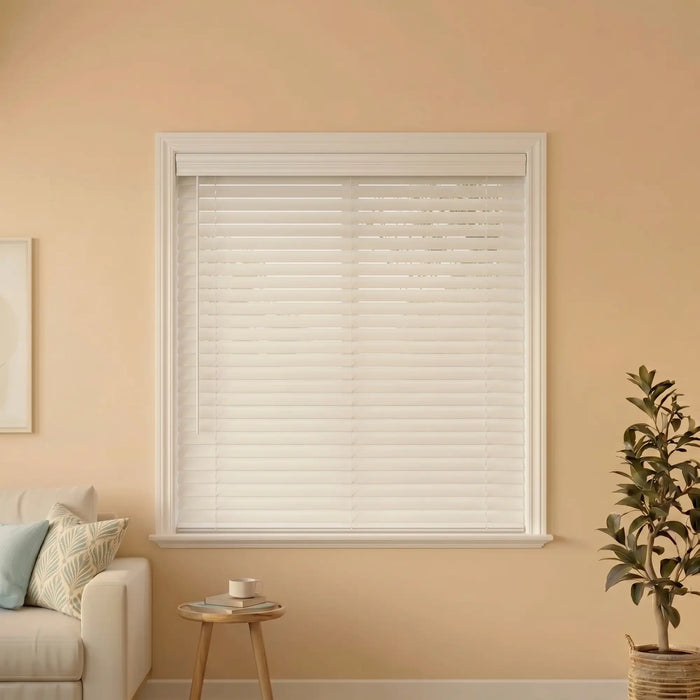
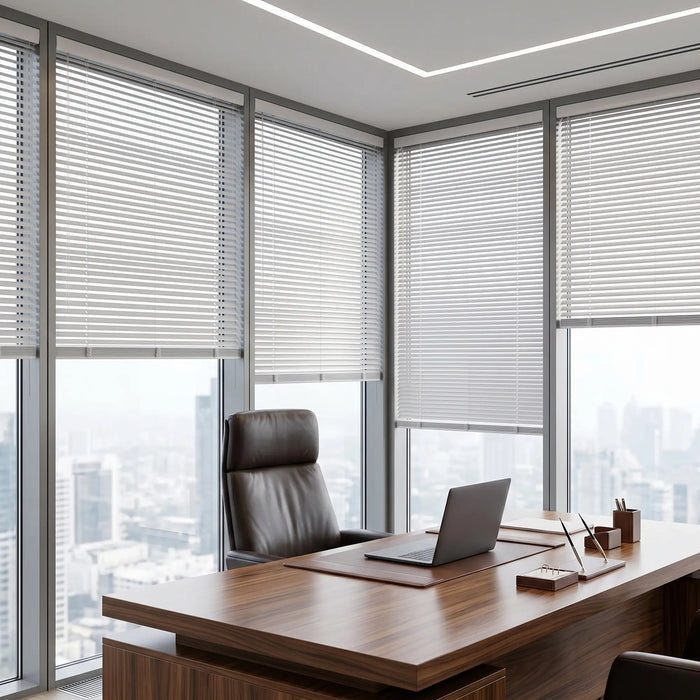
Blinds are made of horizontal or vertical slats in hard materials like wood, faux wood, aluminum, vinyl, or bamboo. The slats tilt to control the amount of light and privacy and are usually operated by a cord, wand, or motor; many can also be motorized.
Wood blinds and faux wood options are popular for a classic look and good durability. Vertical blinds use vertical slats and suit large windows and sliding doors.
What Are Shades?
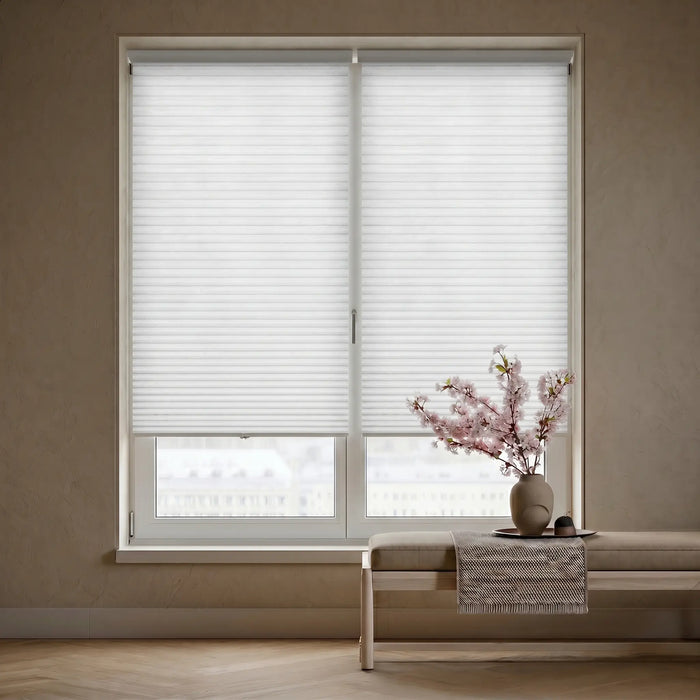
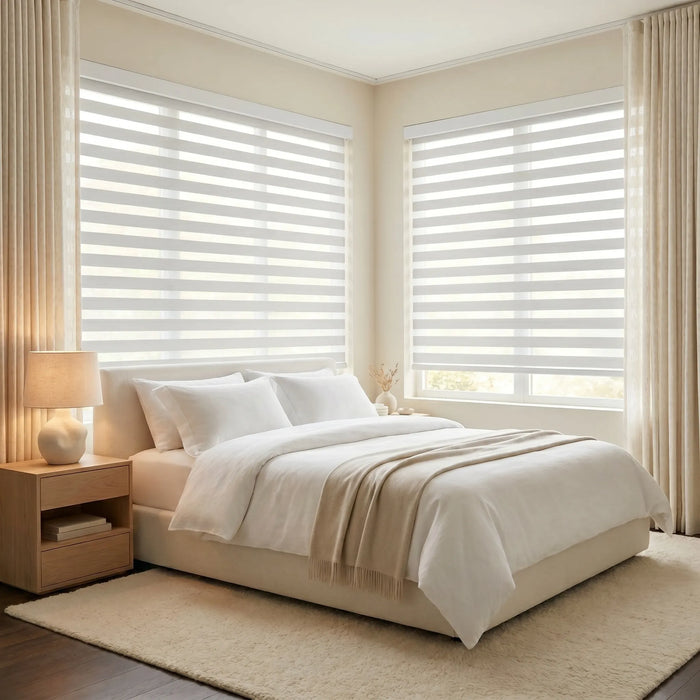
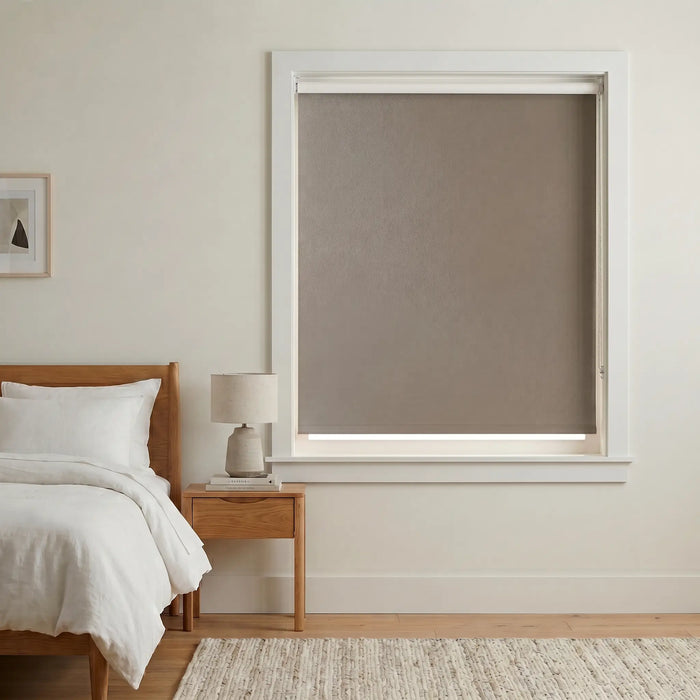
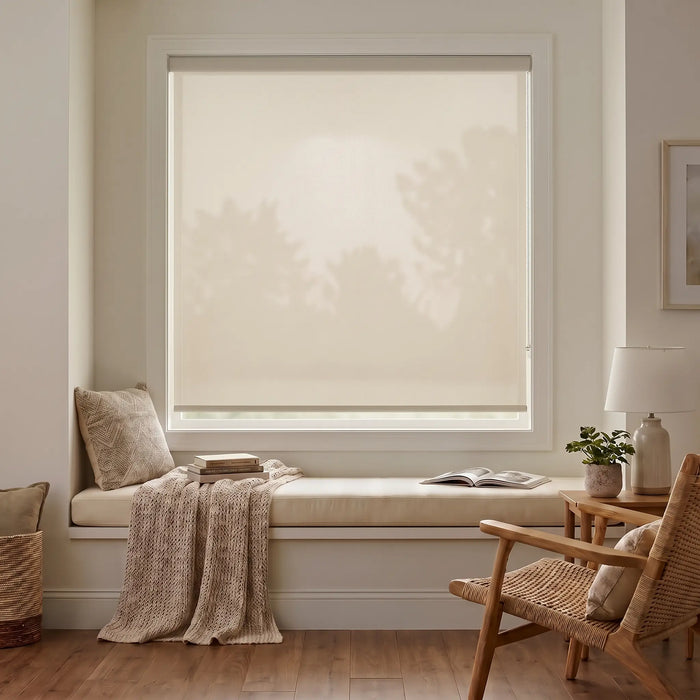
Shades are a single piece of fabric or soft material that raises and lowers as one unit. Light control comes from the fabric's opacity: sheer, light-filtering, or blackout.
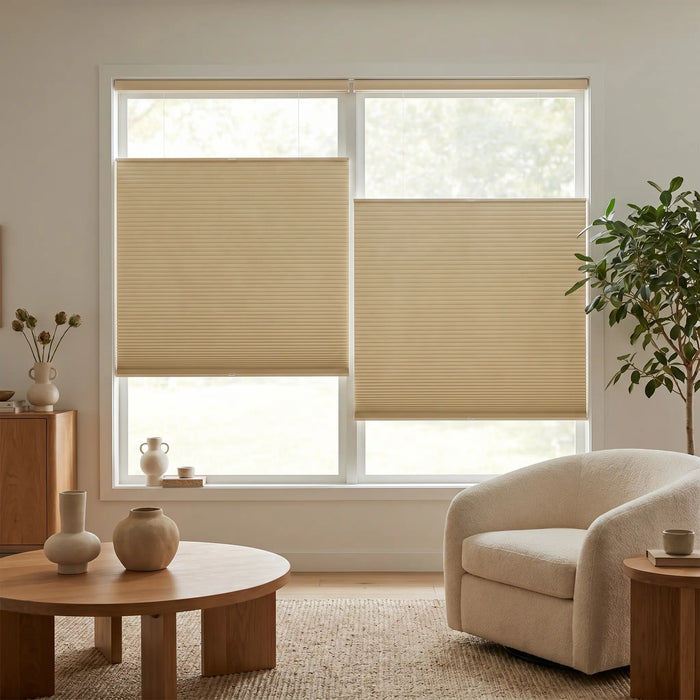
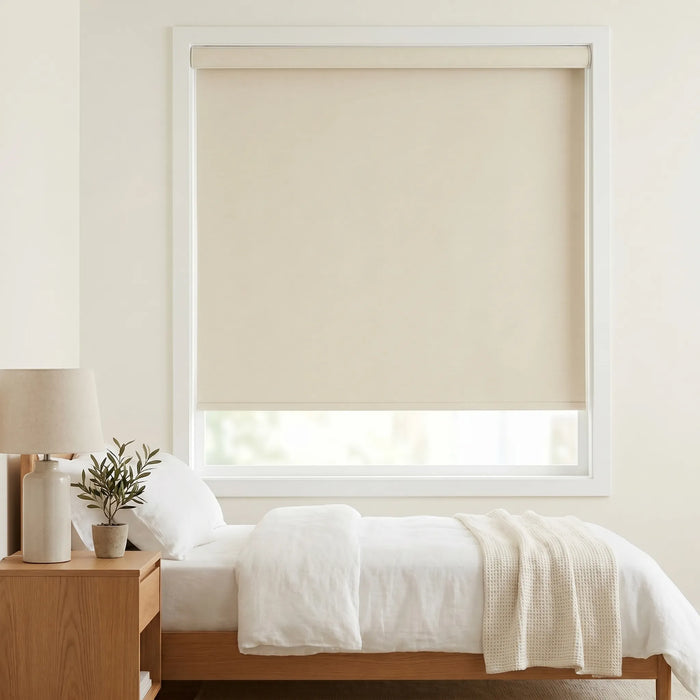
Common shade styles include roller shade, Roman shades, cellular shades, and pleated. The core difference is slats versus one continuous fabric.

Key Differences: Construction, Light Control, and Privacy
Construction
Blinds use multiple slats that you can angle. Shades use one fabric panel that moves up or down.
Light control
Blinds give you precise light control: tilt the slats to direct light, filter it, or block it. You can adjust the amount of light and privacy independently with slats.
Shades are either up or down; how much light gets through depends on the fabric. Sheer shades filter natural light evenly; blackout shades block it almost completely.
Privacy
With blinds, you can tilt the slats for partial privacy while still letting in some light, so light and privacy can be tuned together.
With shades, when they're lowered you get full privacy. Blackout shades block both view and light, which works well for bedrooms and bathrooms.
Maintenance and Cleaning
Blinds need regular dusting between the slats, which can take time, but the hard surfaces wipe clean easily and offer good durability.
Shades usually need only light vacuuming or spot cleaning, so day-to-day upkeep can feel simpler. Heavier soiling or stains on fabric shades may call for professional cleaning, and some fabrics can fade over time.
Energy Efficiency
Blinds offer limited insulation because the hard slats don't trap air.
Cellular (honeycomb) shades are the strongest option for energy savings: the air pockets act as a thermal barrier and can reduce heat loss in winter and solar heat gain in summer. When energy efficiency matters, cellular shades and some other window coverings lead the way.
Choosing energy-efficient window treatments can help with heating and cooling costs.
Cost Comparison
Blinds often cost less upfront, especially in vinyl, aluminum, or basic faux wood. Wood blinds and higher-end options cost more.
Shades vary more with fabric and features: custom fabric, liners, and the option to motorize can push the price up. A roller shade or simple Roman shades are often affordable; cellular shades and motorized window coverings tend to cost more.
Standard sizes are usually more affordable than custom; bay windows or irregular shapes tend to cost more.
How to Choose the Right Option for You
Think about what matters most: precise light control, privacy, room use, style (structured vs. soft), budget, and how much maintenance you want.
- Choose blinds if you want to tilt slats for exact light and privacy control, prefer a classic look, or want durable surfaces that are easy to wipe down.
- Choose shades if you prefer a softer look, want simple up-and-down operation, or care most about insulation (e.g. cellular shades) or blackout in bedrooms.
Some window treatment offers installation without drill, see our no-drill guide.
Room-by-Room Tips
- Bedrooms: Blackout shades are popular for sleep; cordless options are a good choice if you have young children or pets.
- Living rooms: Blinds give you flexible light control; shades can give a softer, more uniform look. Wood blinds or faux wood add warmth.
- Kitchens and bathrooms: Moisture-resistant blinds or shades (e.g. faux wood, vinyl, or suitable fabrics) hold up better.
- Home offices: Blinds make it easy to cut glare on screens while still letting in natural light; you can tilt the slats to control the amount of light.
Blinds vs Shades: Common Questions
Are blinds cheaper than shades?
Often yes. Basic blinds (vinyl, aluminum, faux wood) tend to cost less upfront. Shades can be similar in price for simple styles like a roller shade, but custom fabrics, cellular shades, and motorized options usually cost more. Your final price depends on size, material, and features.
Which is easier to clean, blinds or shades?
Blinds need dusting between slats, which takes a bit more time, but hard slats wipe clean easily. Shades usually need only light vacuuming or spot cleaning. For day-to-day upkeep, many people find shades simpler; for a quick wipe-down, blinds are straightforward.
Which gives better light control?
Blinds give you precise light control because you can tilt the slats to any angle—direct light, filter it, or block it—and adjust throughout the day. Shades control light by how much you raise or lower them and by fabric opacity (sheer, light-filtering, or blackout). Both work well; blinds offer more granular control.
Conclusion
Blinds and shades each have clear strengths. The best choice depends on your priorities: light control, privacy, style, budget, and how much upkeep you're willing to do. Whether you choose blinds or shades, or a mix, the right window treatment will suit your space.
Use this comparison to narrow your options, then measure your windows and explore window blinds that fit your room and your goals.