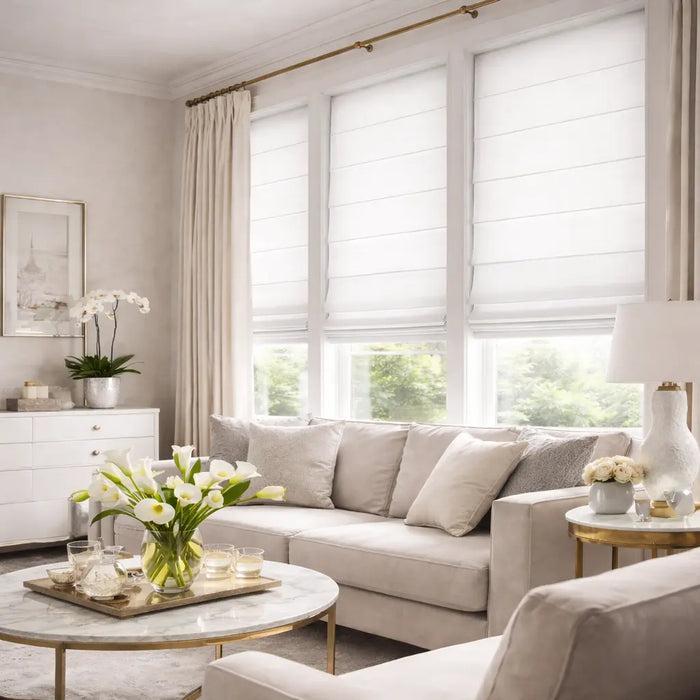
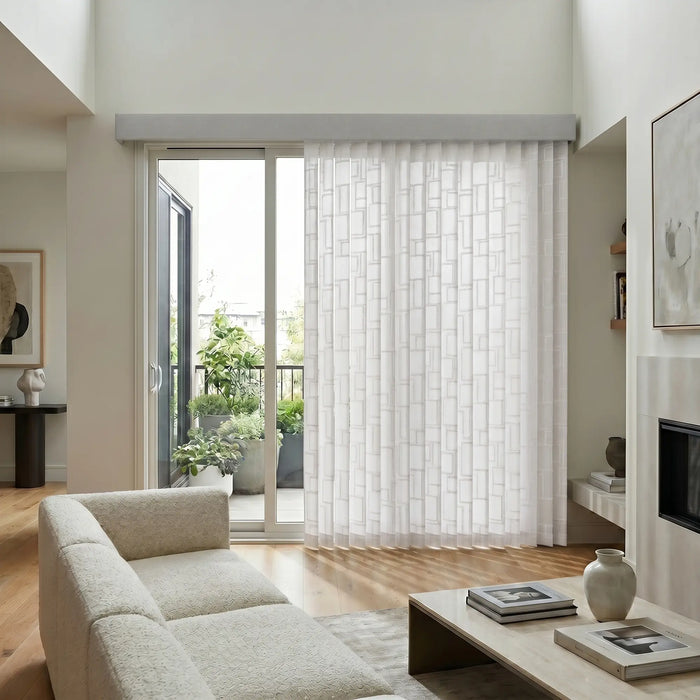
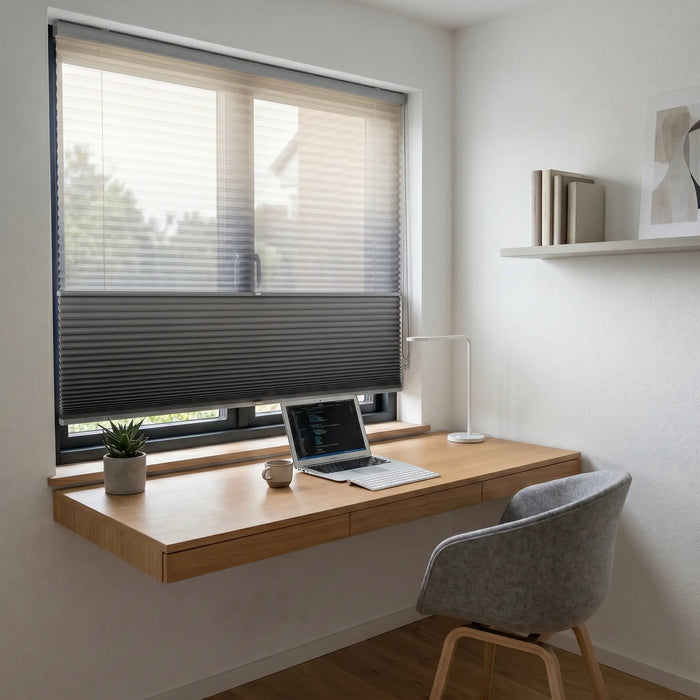
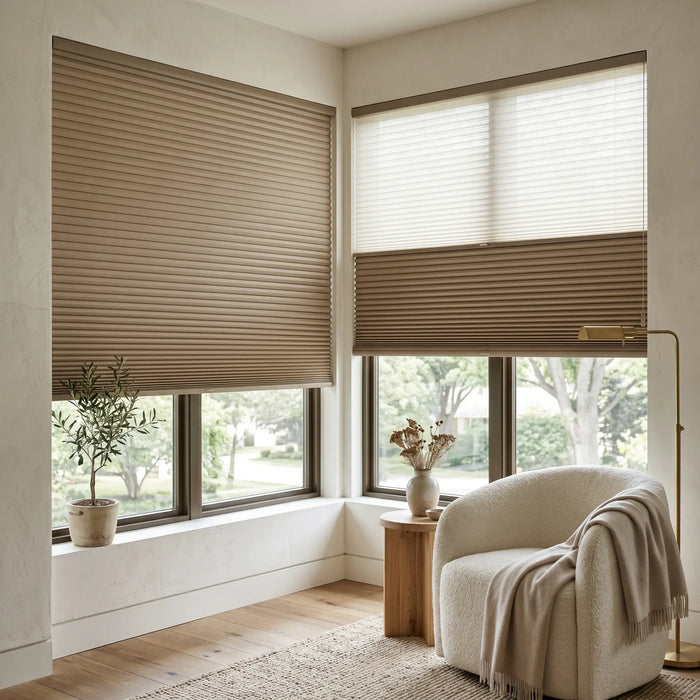
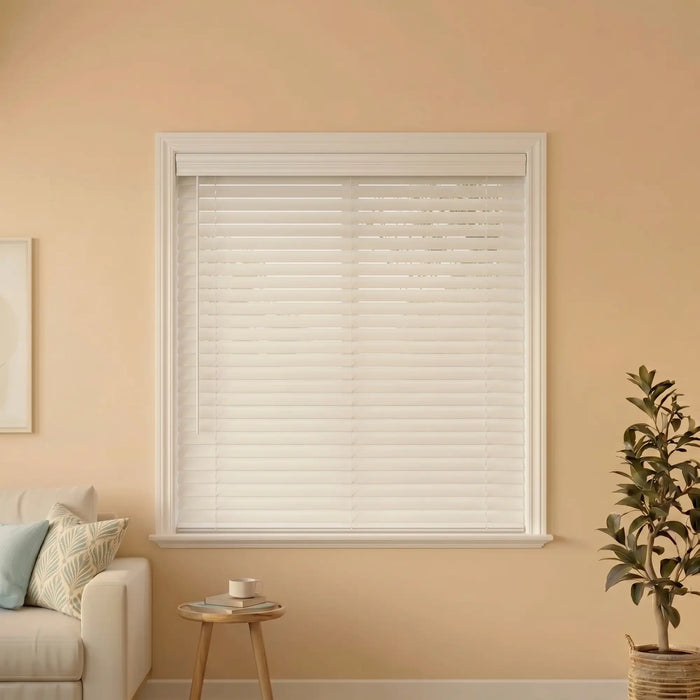
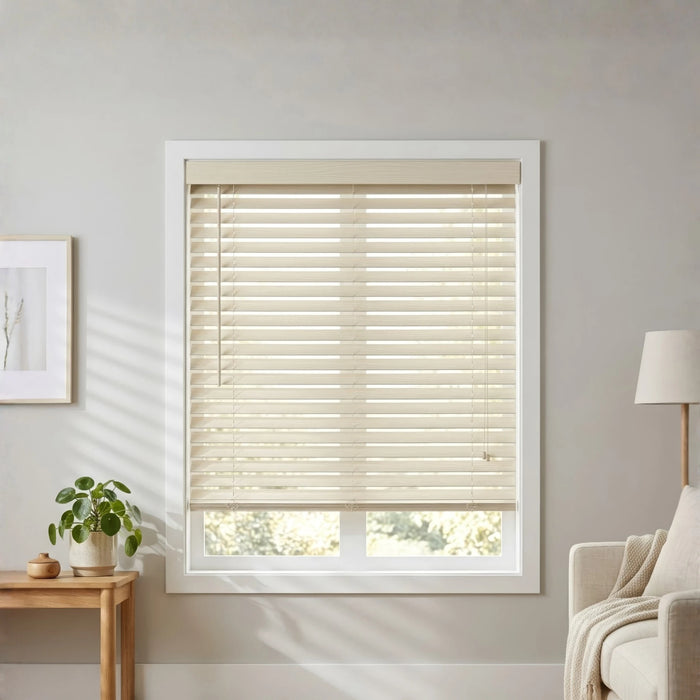
They create an inviting atmosphere with gentle illumination instead of dark and light spots.
There are three different light filtering levels that blinds and shades provide: sheer, room-darkening, and blackout. These shades have two opacity levels: sheer or room darkening.
While these window blinds prevent a direct view from the outside, silhouettes may still be noticeable depending on your room's lighting.
Light Filtering vs Room Darkening vs Blackout
Understanding the difference between light filtering, room darkening, and blackout helps you choose the right option for each room. These shades soften natural light and allow some light through.
They work best in living rooms, bedrooms, kitchens, and bathrooms where you want natural light with some coverage.
Room-darkening blinds reduce much more natural light through an easy-to-control tilt mechanism. These are better for offices and home theaters. Complete darkness options eliminate light and reduce up to 99% of light for better sleep.
Types of Light Filtering Window Treatments
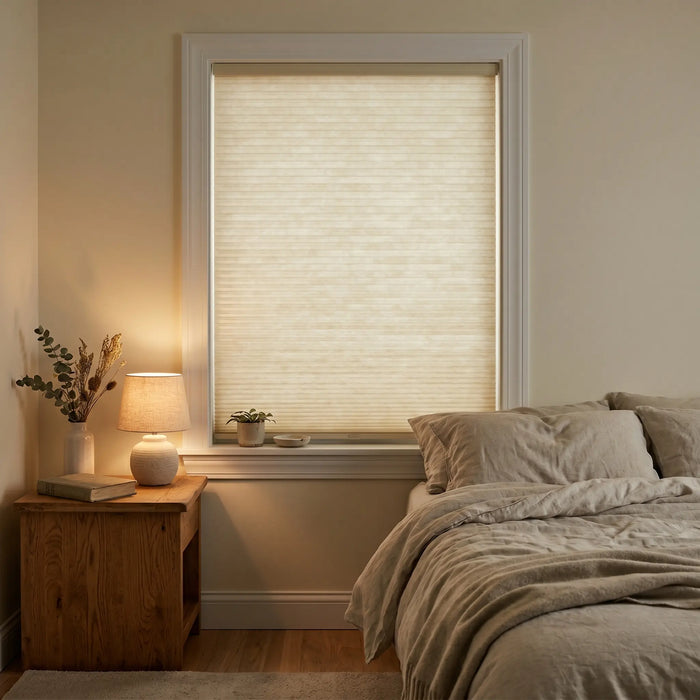
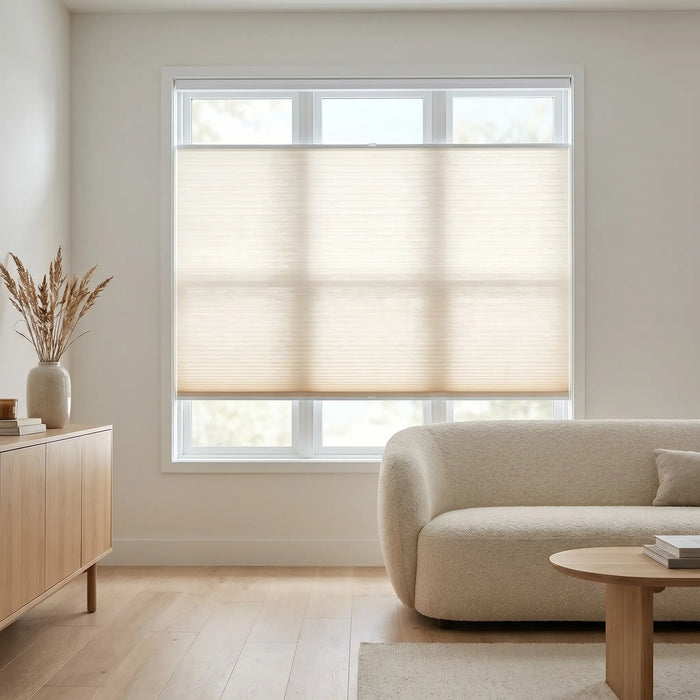
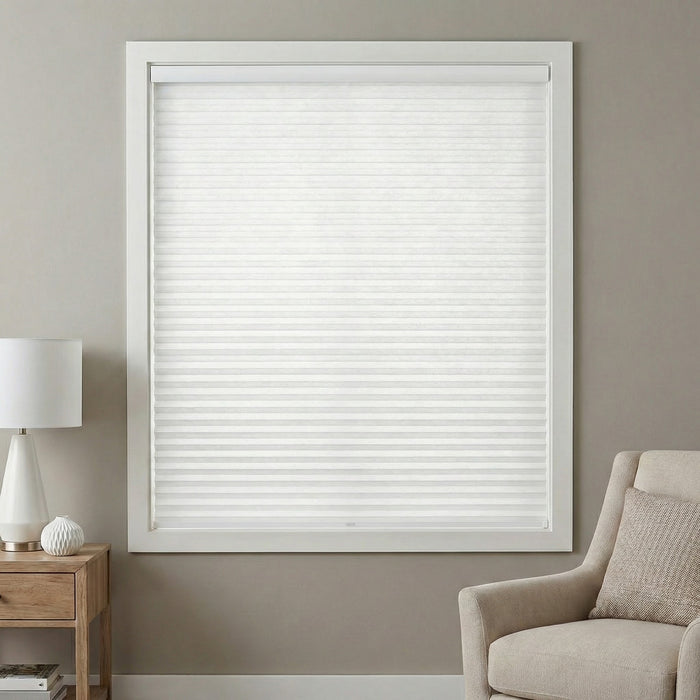
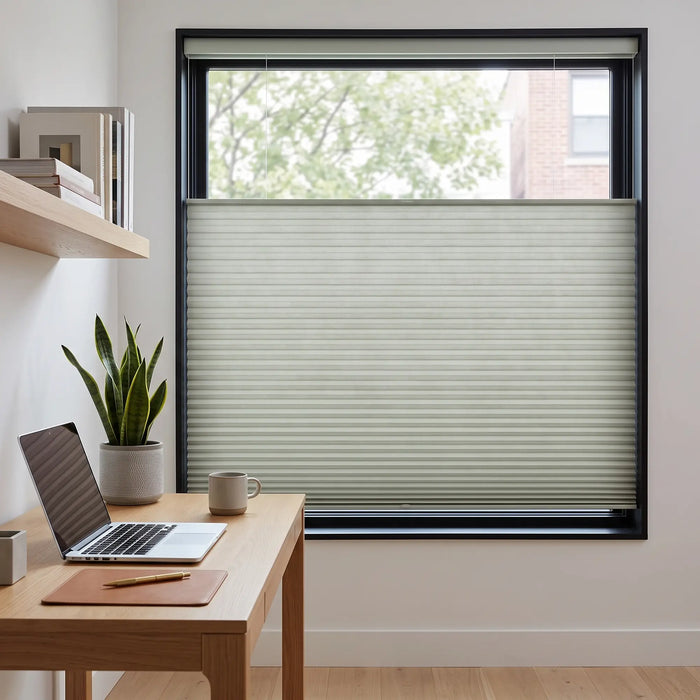
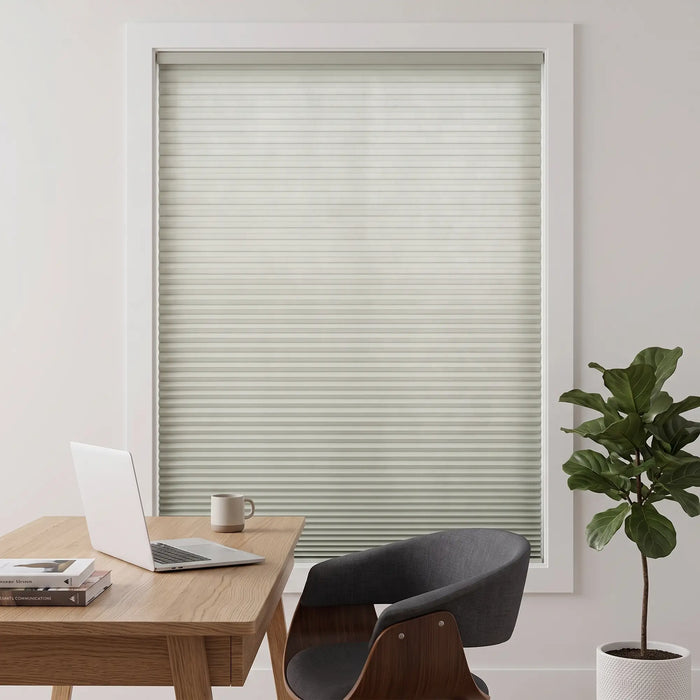
Factory Direct Blinds offers several types of these shades to suit your needs. Cellular shades use fabrics that reduce incoming light while insulating your home against temperature exchange.
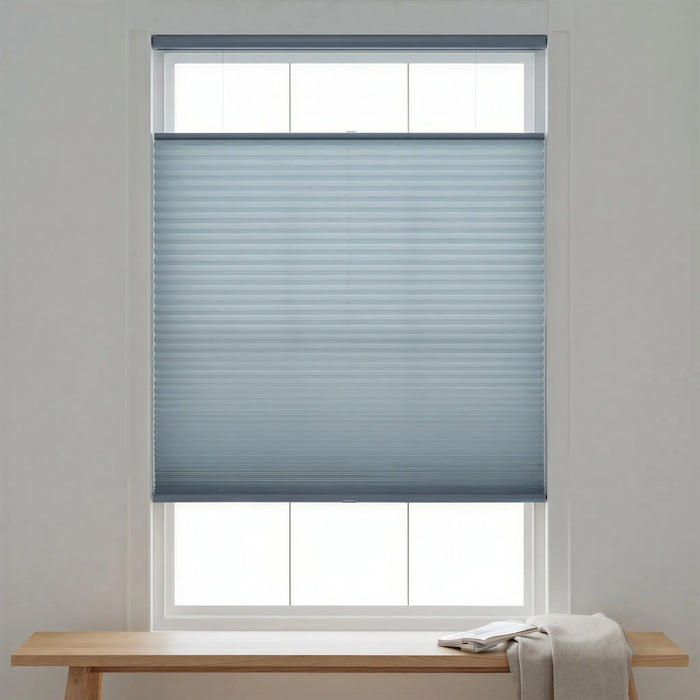
Available in single and double-cell options, these shades trap air in their cells for energy efficiency.
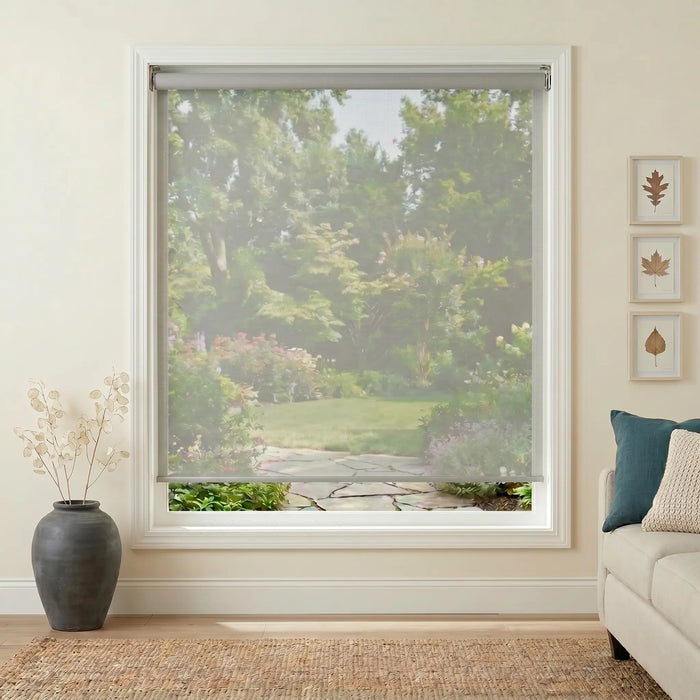
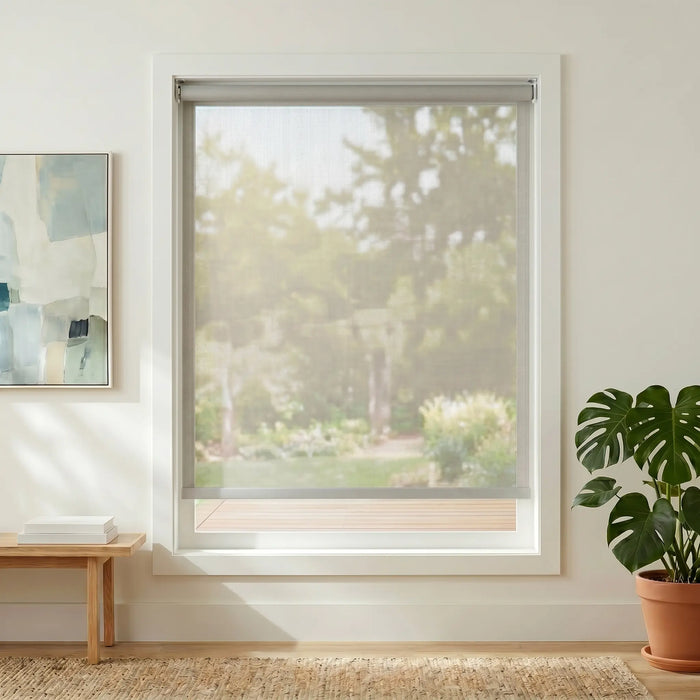
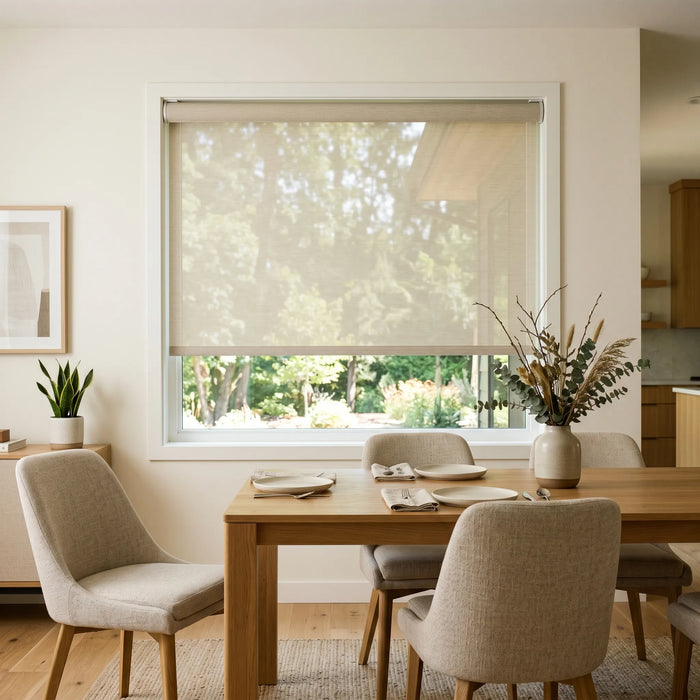
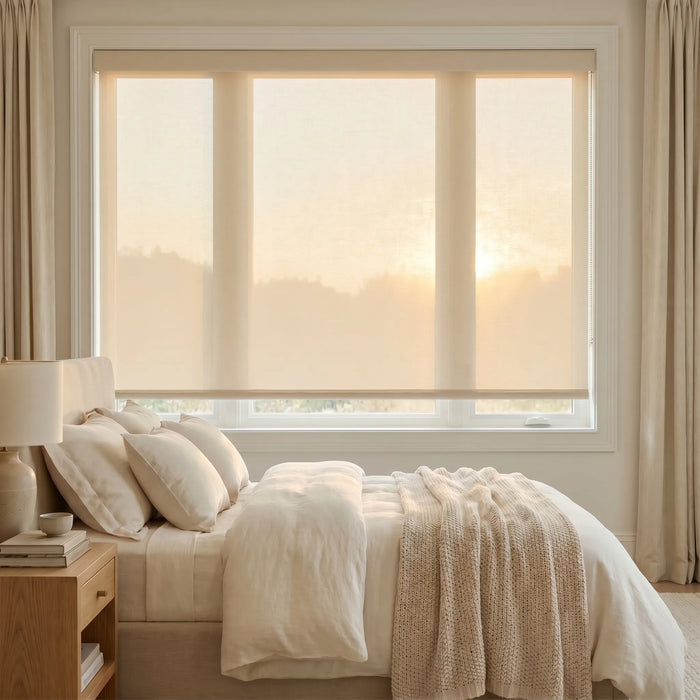
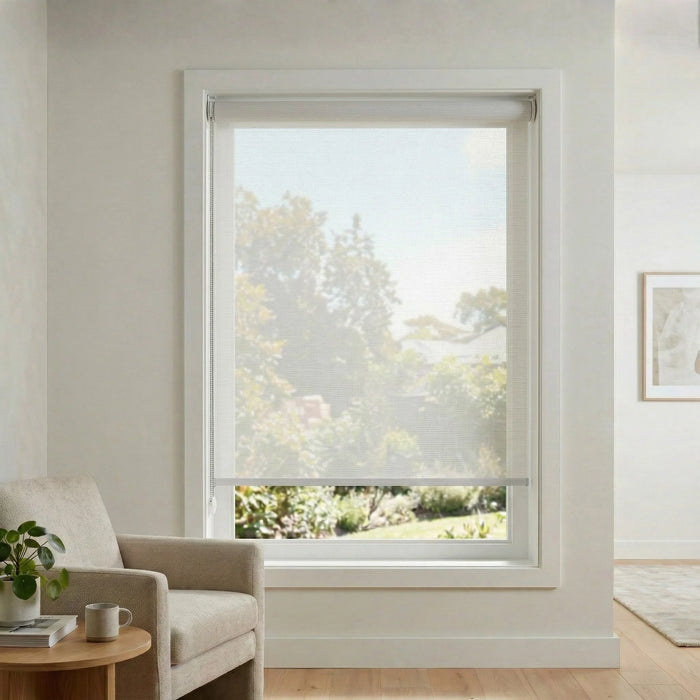
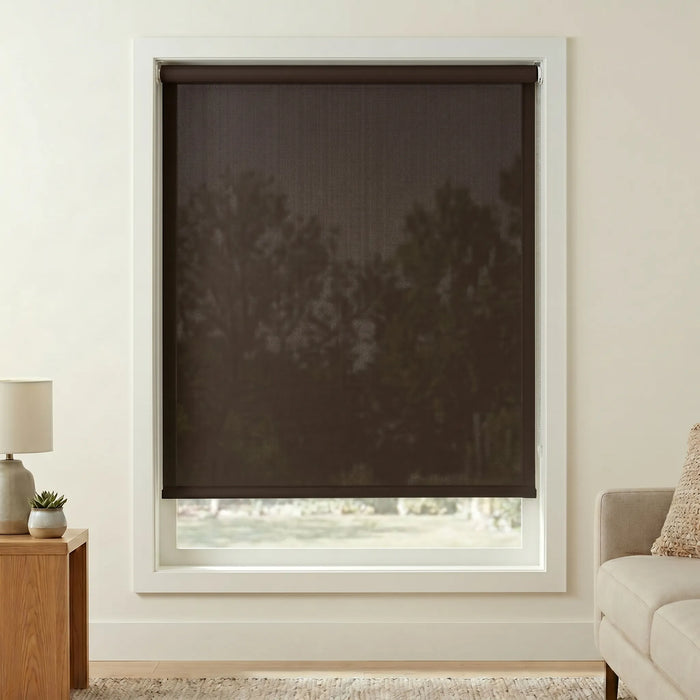
Roller shades use fabric that dials down the amount of light entering your room. They provide full coverage when down.
These shades can reduce harmful UV rays while still providing visibility to the outside world.
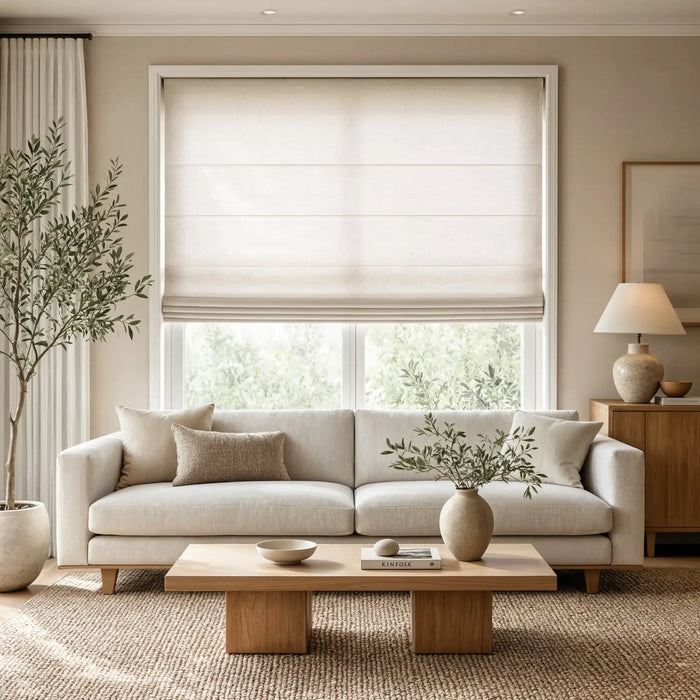
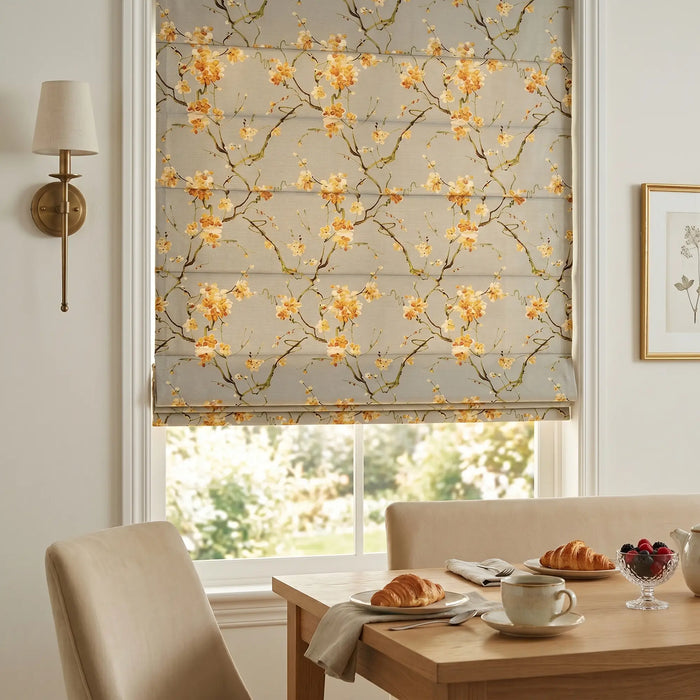
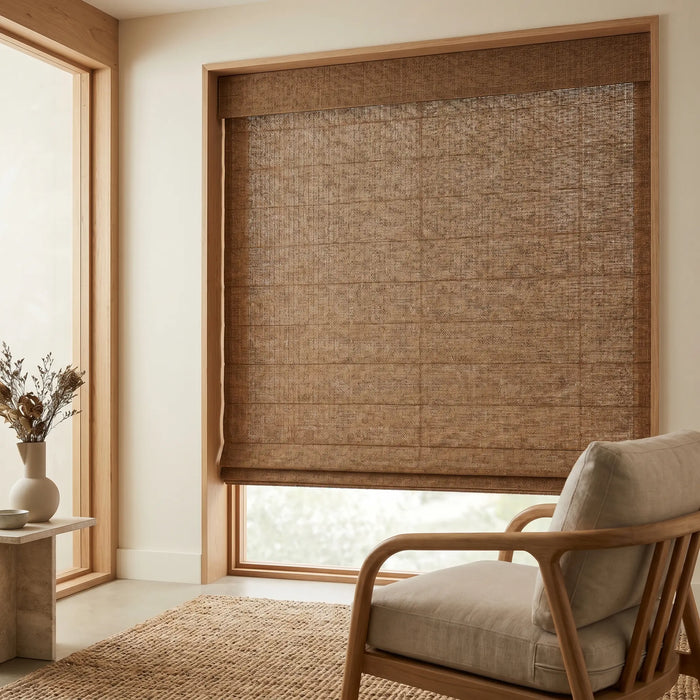
Roman shades feature quality fabrics crafted into soft folding options with customizable styles.
These shades offer elegant style while filtering light effectively.
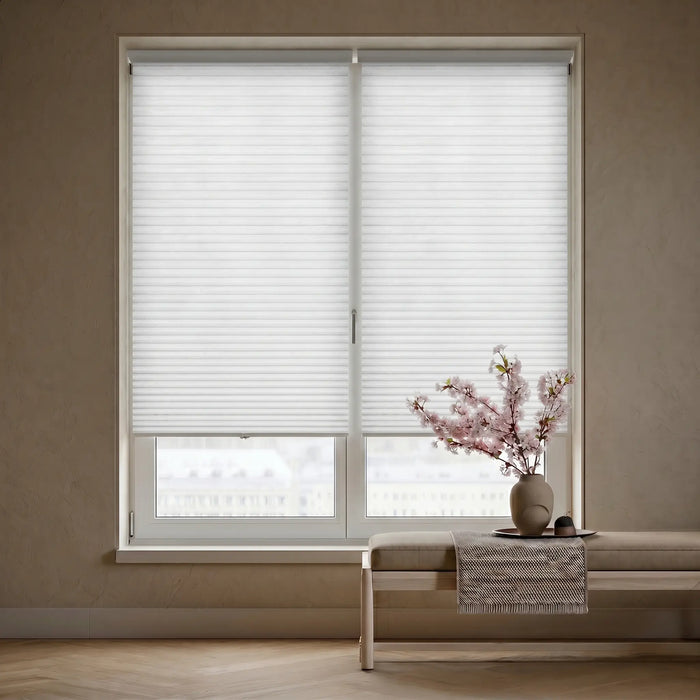
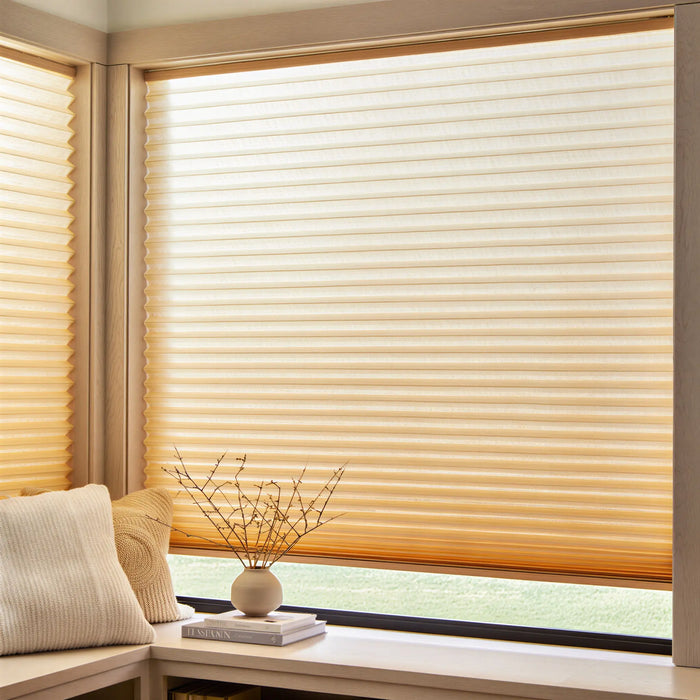
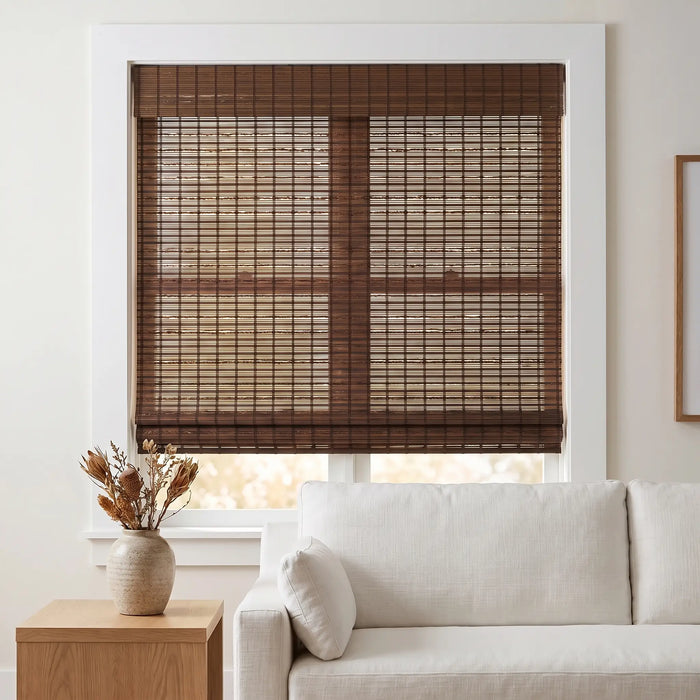
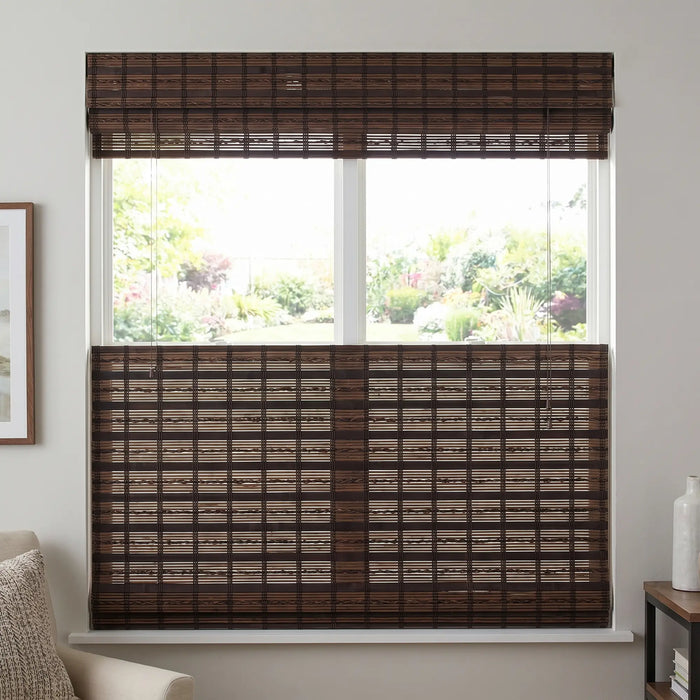
Bamboo shades are made from bamboo and other organic materials woven together. Pleated shades feature crisp fabric pleats that provide great coverage while gently filtering incoming light.
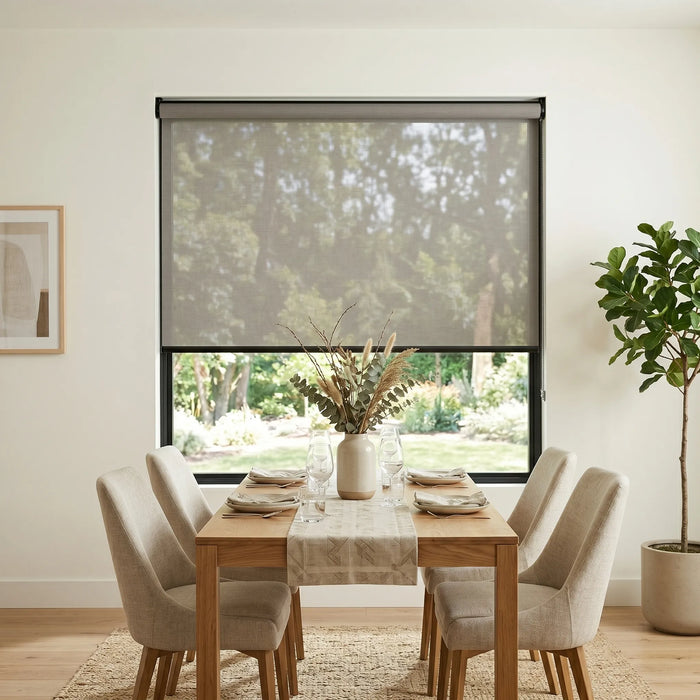
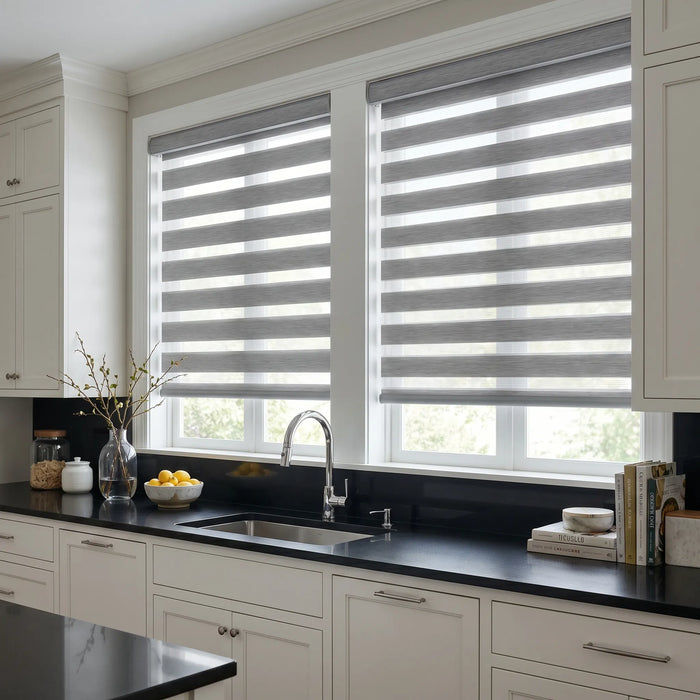
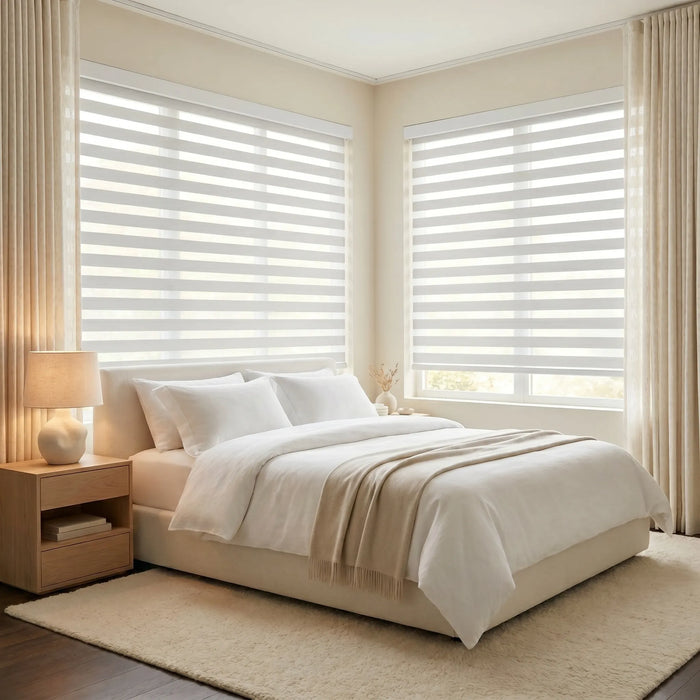
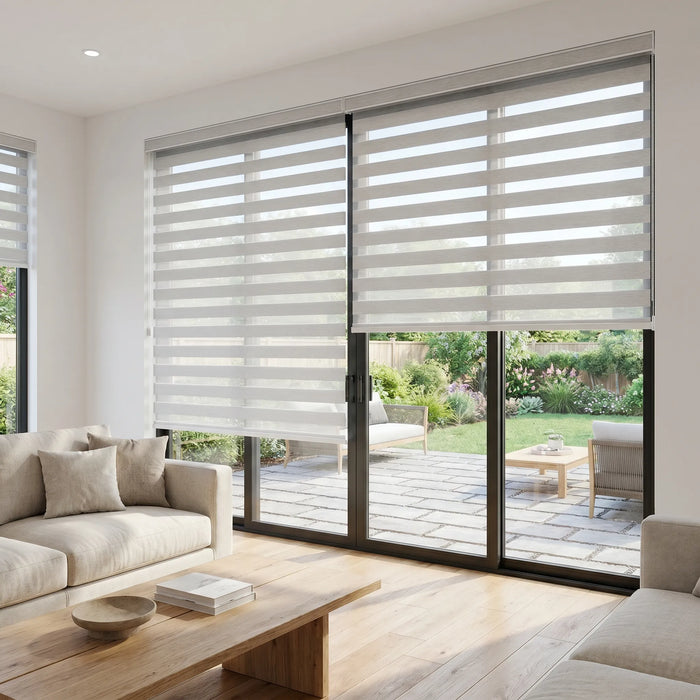
Solar shades have a woven fabric with small openings that reduce sunlight while still allowing you to see your view through the shade. Zebra shades use sheer material that softens light and disperses it evenly into your room.
Benefits of Light Filtering Window Treatments
These shades offer several practical benefits for your home. They are energy efficient, providing insulation that reduces heat loss during winter and keeps heat out during summer. The sheer fabric protects your furniture and floors from UV rays, preventing them from fading.
These shades prevent heat from passing through your windows, offering a more comfortable living environment year-round. They create even illumination instead of dark and light spots, reducing the need for artificial light during the day.
These shades provide coverage during both day and night while still allowing soft natural light to enter your space.
How to Choose Light Filtering Window Treatments
Choosing the right light filtering window treatments depends on the function and style of your space. Consider the specific needs of each room, such as light control and moisture resistance. For rooms with direct light exposure that requires mitigation, roller shades help reduce glare and offer excellent coverage.
If you need enhanced aesthetic appeal with added safety for children and pets, cordless options eliminate the risk of tangling. For rooms that require highly functional options with minimal styling, cellular options provide added insulation.
These shades work best in rooms where total coverage isn't a big concern, such as the living room blinds.
Light Filtering Window Treatments and Privacy
These shades offer a balance of coverage and natural light. During the day, you get the best of both worlds with coverage and natural light.
At night, the coverage these shades provide depends on the opacity of the fabric. When the light is on in your room, a sheer fabric will allow people from the outside to see silhouettes and objects partially.
 Skip to content


 10 colors available(351)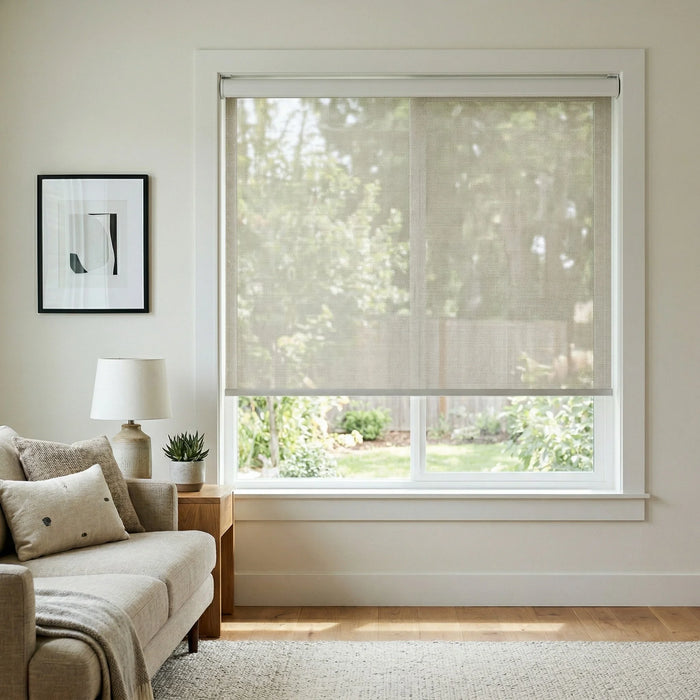
 7 colors available(351)Free Shipping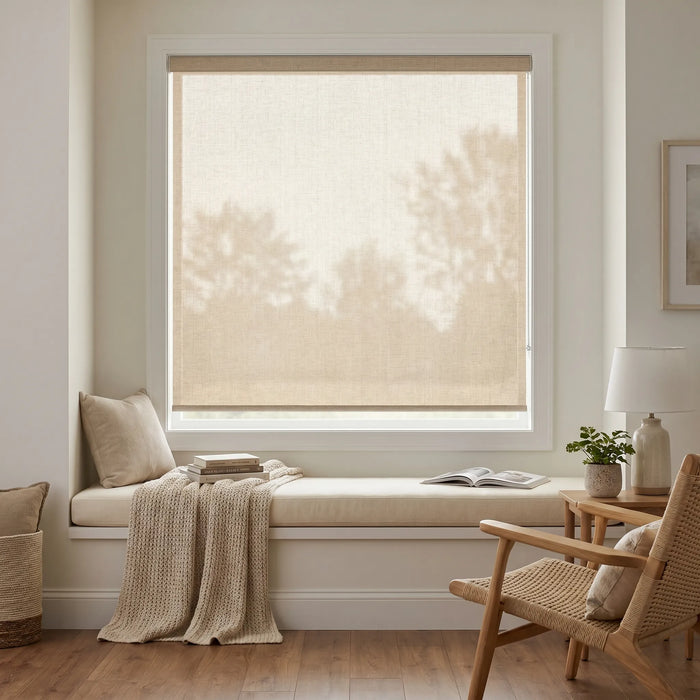
 6 colors available(6)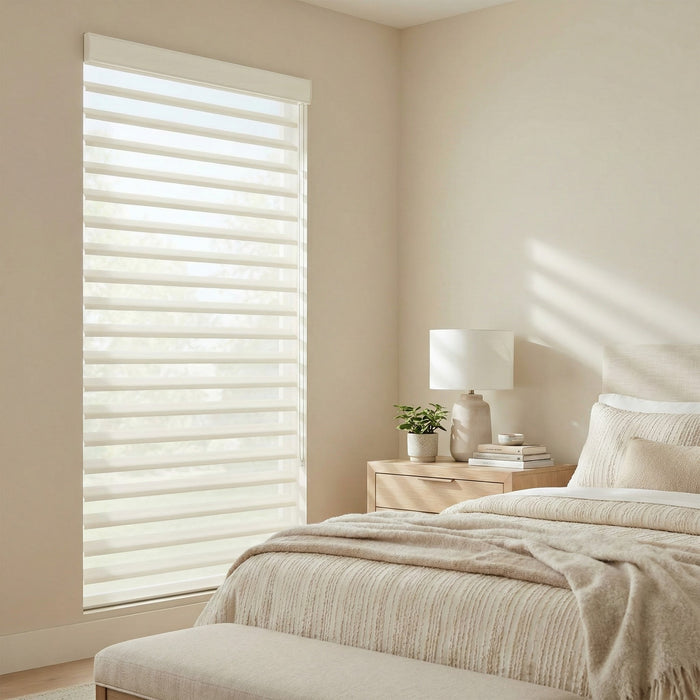
 Free Shipping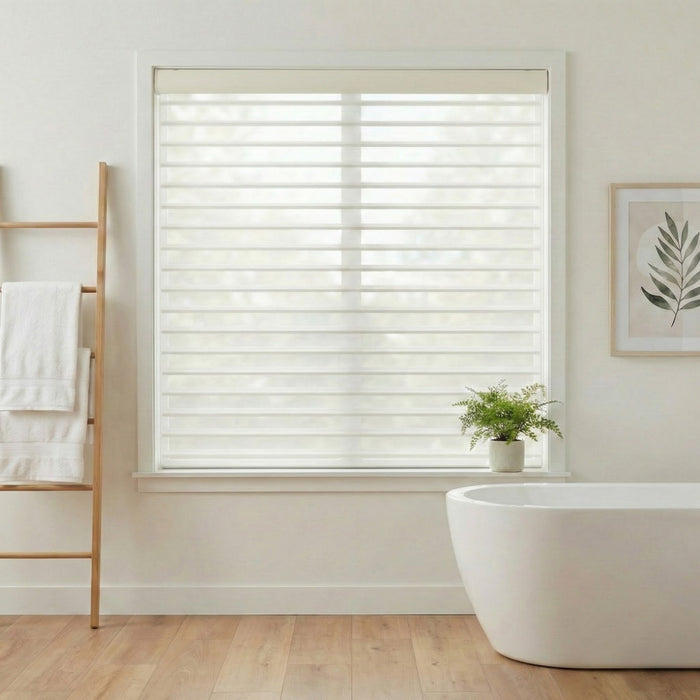
 6 colors available(8)Free Shipping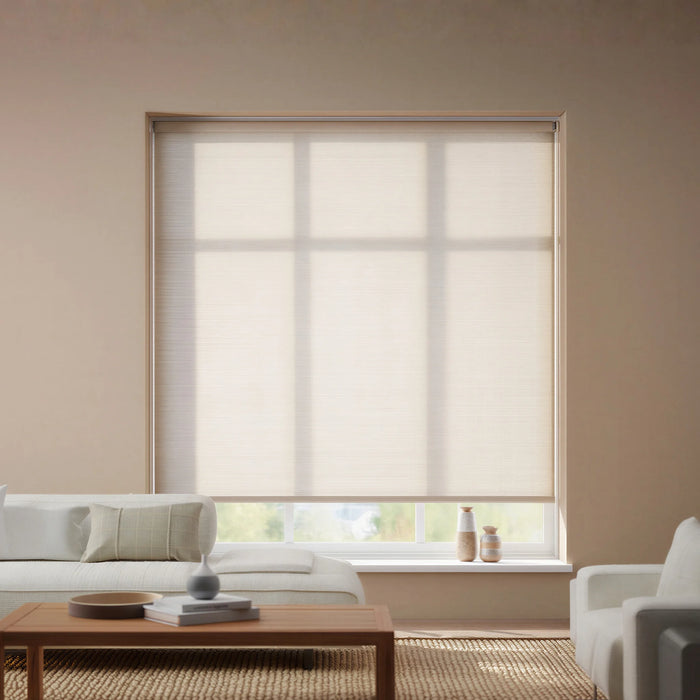
 10 colors available(267)Free Shipping
 22 colors available⭐ Most Popular(157)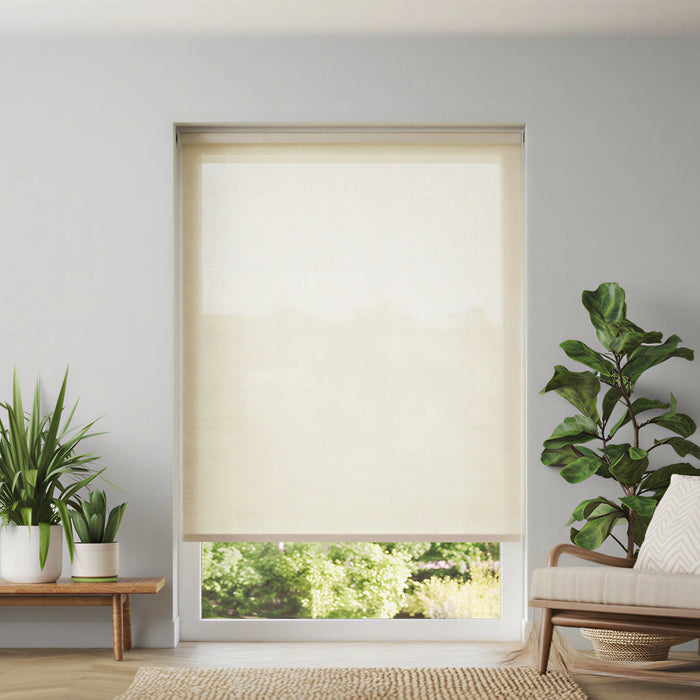
 3 colors available(6)
 6 colors availableBest for street facing windows (9)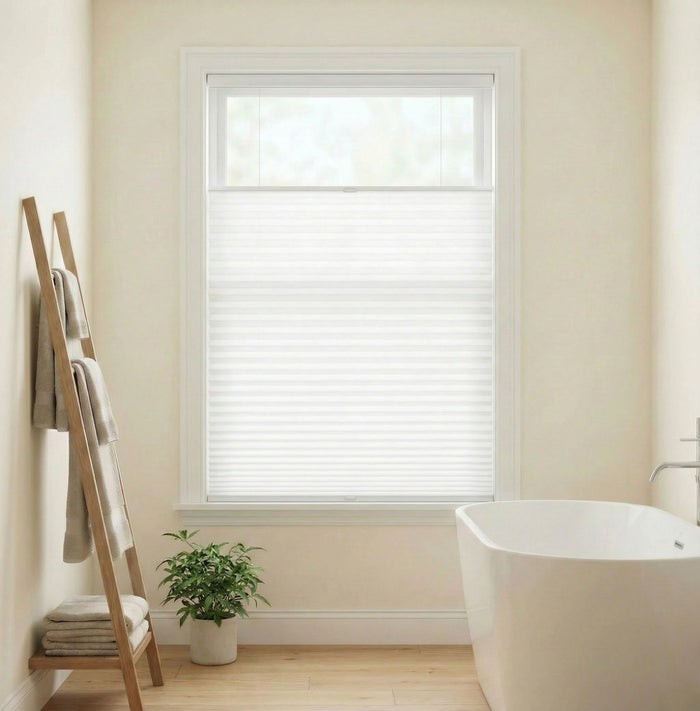
 7 colors available(237)