Types of Adjustable Window Blinds
Roller Shades
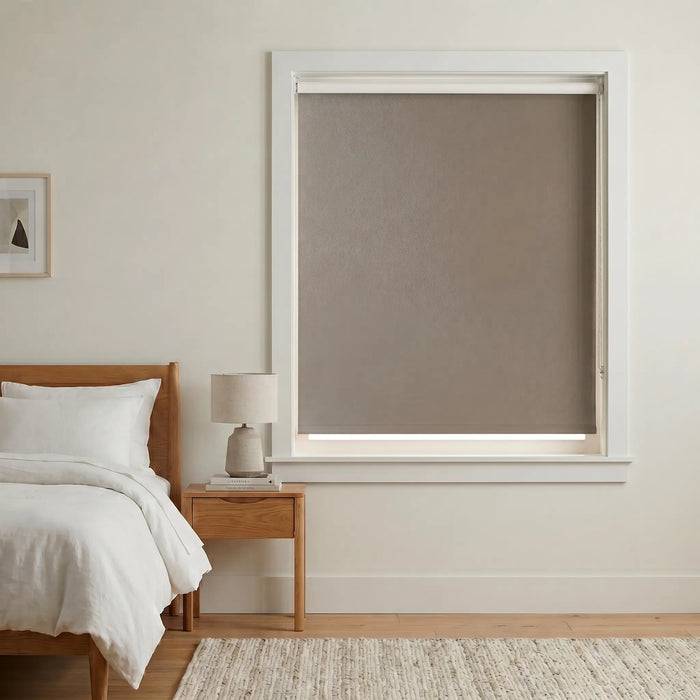
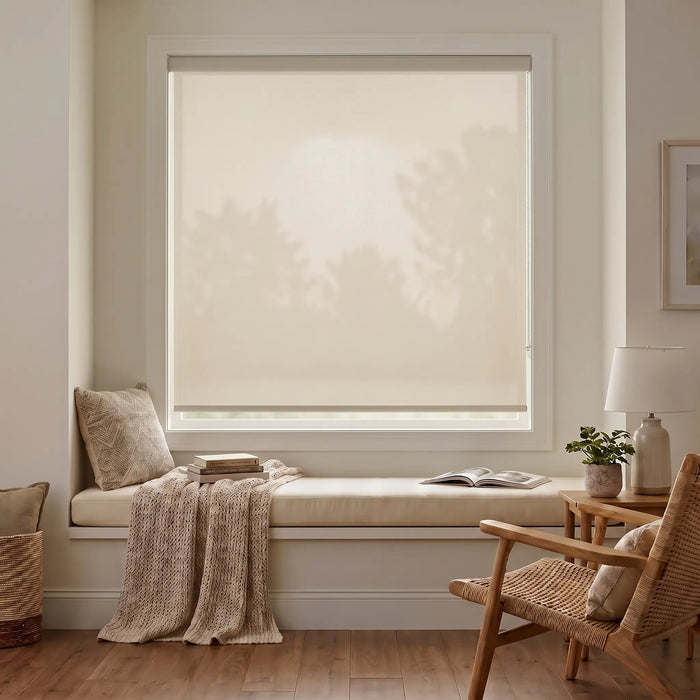
Roller shades offer an economical solution for light control and privacy. These shades pull down smoothly to your desired level and stay in place. You can mount them inside or outside the window frame, depending on your window's depth and the look you want. Available in traditional corded or cordless styles, roller shades work well on their own or paired with sheer curtains for layered light control.
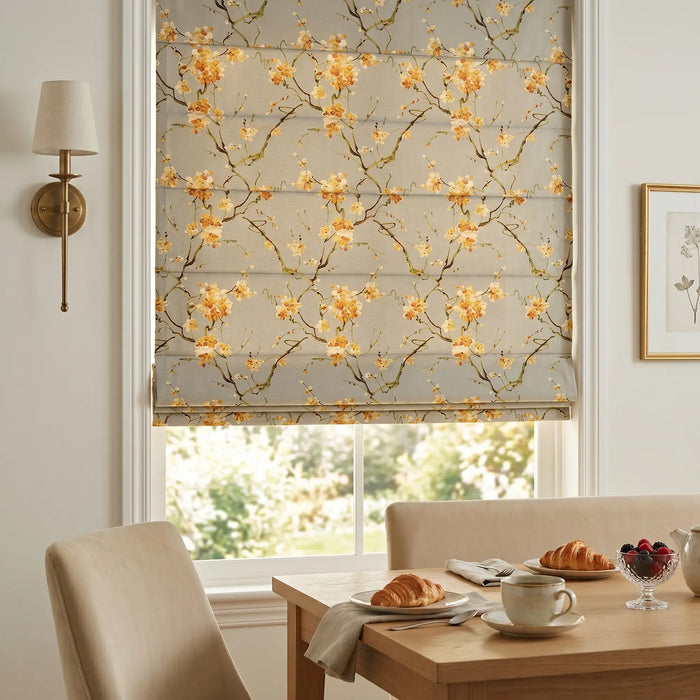
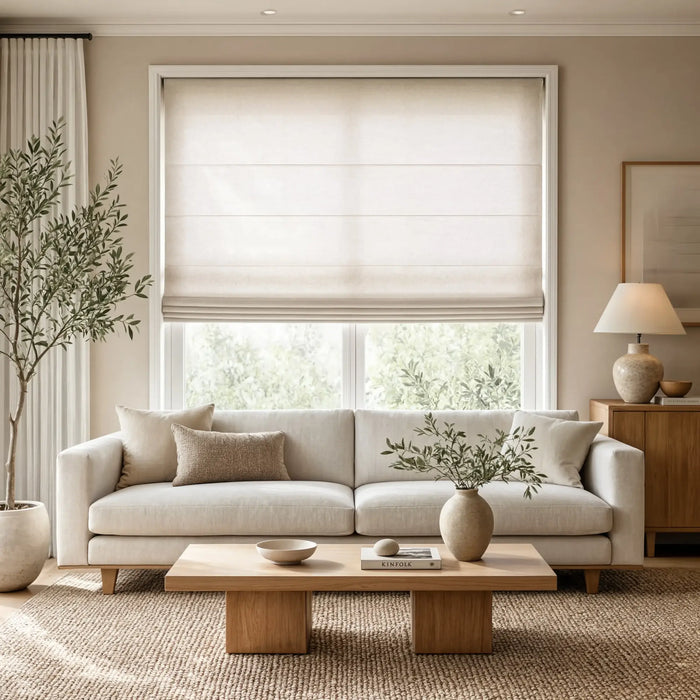
Roman Shades
Roman shades feature horizontally pleated fabric that folds neatly when raised. They raise to predetermined heights for flexible light control and work well in kitchens, bathrooms, living rooms, and bedrooms. Roman shades for windows are available in light filtering, room darkening, and blackout options.
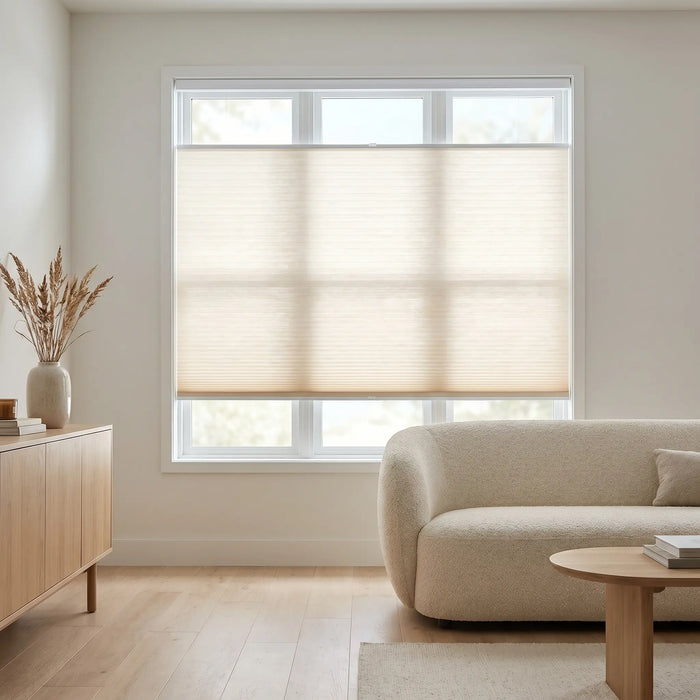
Cellular Shades
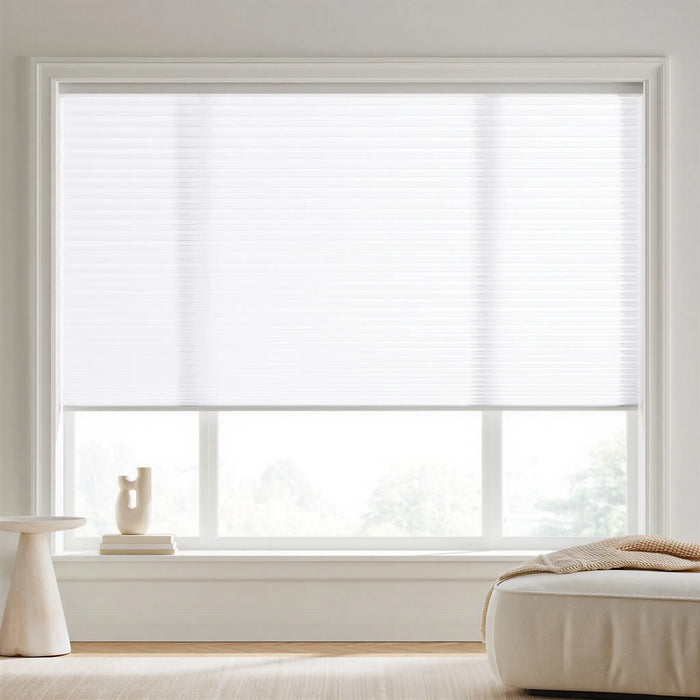
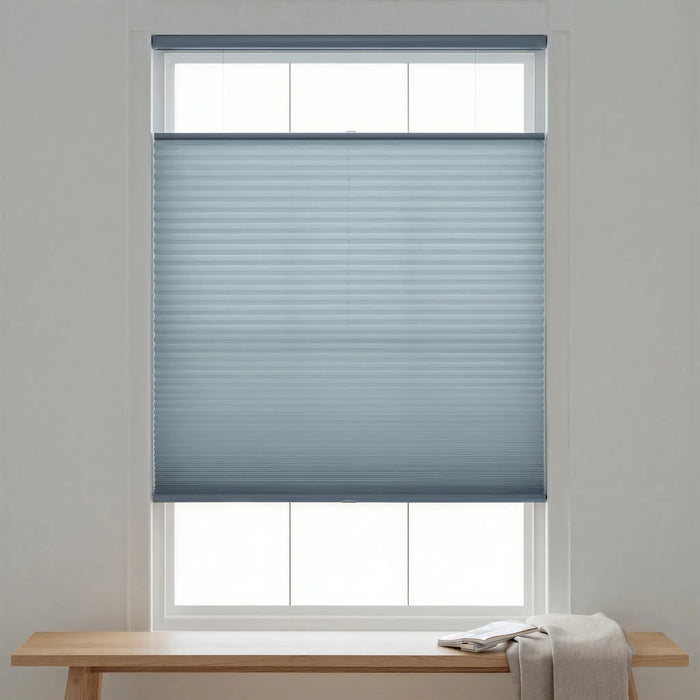
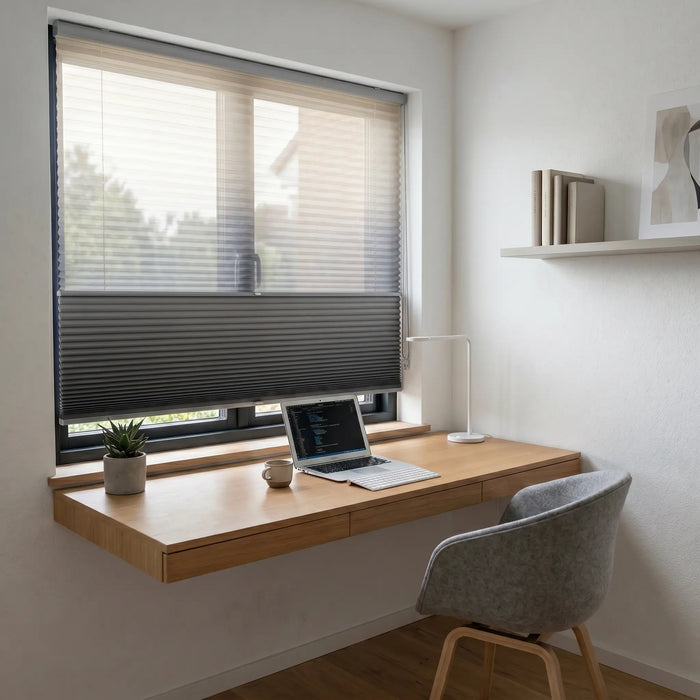
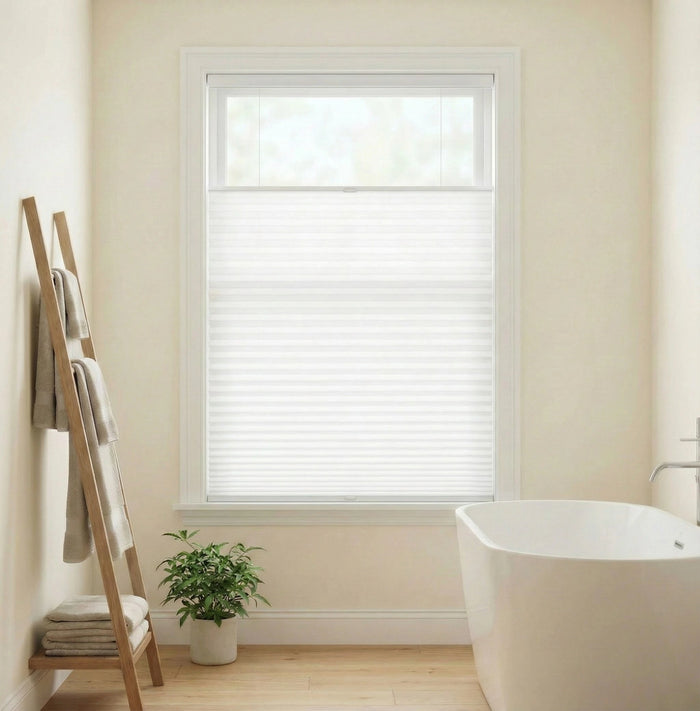
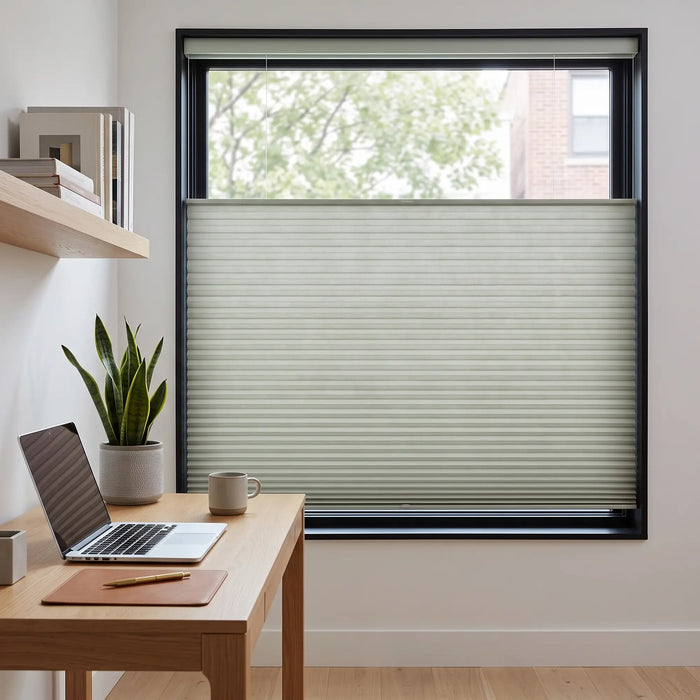
Cellular shades, also called honeycomb blinds, feature a unique honeycomb design that creates pockets of trapped air. This structure provides excellent insulation, helping keep your home cooler in summer and warmer in winter. The honeycomb construction makes them one of the most energy-efficient treatment options. Cellular shades are available in light filtering, room darkening, and blackout designs, so you can choose the right level of light control for each room.
Vertical Blinds
Vertical blinds work well for large openings and sliding glass doors. Vertical slats rotate to control light and privacy, and an attached rod makes operation simple. Vertical blinds can also function as room dividers.
Mini Blinds
Mini blinds offer compact, budget-friendly light control for smaller windows. Narrow slats tilt for precise adjustment. Mini blinds for windows resist moisture, making them ideal for kitchens and bathrooms.
Faux Wood Blinds
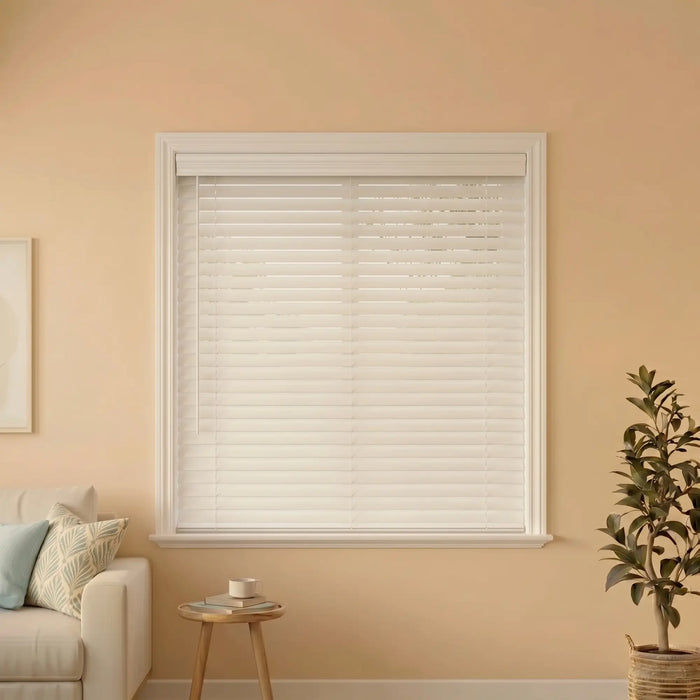
Faux wood blinds provide the look of real wood at a lower price. Faux wood blinds for windows are durable, moisture-resistant, and easy to maintain, making them practical for high-humidity areas where real wood might warp.
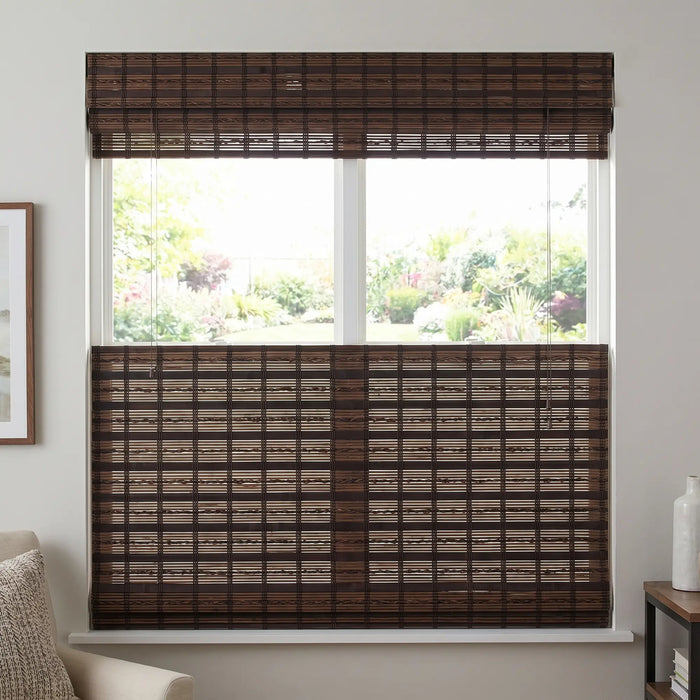
Wood Blinds
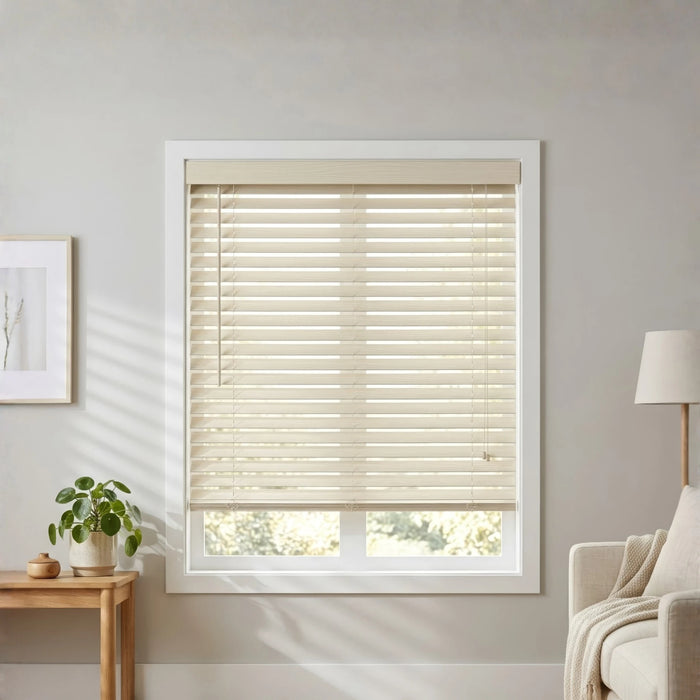
Real wood blinds add natural warmth and elegance. Made from hardwood, they work best in rooms with controlled humidity.
Light Control Options
Adjustable window blinds offer three light control levels. Light filtering diffuses sunlight while maintaining privacy, ideal for living rooms and kitchens. Room darkening blocks most light, perfect for the bedroom needing better sleep conditions. Blackout blinds filter nearly 99% of sunlight for complete darkness. Blackout blinds work well in bedrooms and media rooms.
Key Features and Benefits
Adjustable window blinds provide precise light control throughout the day, helping you create the right atmosphere for any activity. Many options, especially honeycomb shades, offer insulation that helps regulate your home's temperature and reduce energy costs. The honeycomb structure traps air, creating a barrier that reduces heat transfer in both summer and winter.
You can maintain privacy while enjoying natural light by tilting slats or adjusting the blind position. This flexibility is especially valuable for ground-floor openings or rooms facing busy streets. Cordless and automated options eliminate safety concerns for children and pets, removing the risk of cord-related accidents.
Installation Options
Most adjustable window blinds can be installed as an inside mount or outside mount. Inside mount installation fits the blind within your frame, creating a clean, streamlined look. This option requires adequate frame depth to accommodate the blind's hardware. Outside mount installation places the blind over the entire opening, maximizing light blocking and privacy. This option works well for openings with shallow frames or when you want to make them appear larger.
Some blinds offer no-drill installation options that use tension or adhesive mounting systems. These solutions work well for renters or anyone who wants to avoid drilling holes. No-drill options typically require precise measurements to ensure a secure fit.
What to Consider When Choosing
Consider room-specific needs when selecting adjustable window blinds. Bedrooms often benefit from blackout options for better sleep, while living rooms need light filtering to maintain brightness. Kitchens and bathrooms require moisture-resistant materials like faux wood or vinyl that won't warp or deteriorate in high-humidity environments.
Accurate measurements are essential for proper fit and smooth operation. Measure your openings carefully, considering whether you want inside or outside mount. Custom sizing ensures your blinds fit perfectly. Choose materials suited to your environment—moisture-resistant for high-humidity areas, wood for controlled environments. Decide between manual, cordless, or automated operation based on your needs and budget.
Motorized Options
You can motorize adjustable window blinds for added convenience and modern functionality. Venetian blinds for windows can be controlled with a remote, scheduled to open and close automatically, or integrated with smart home systems. These automated options are especially useful for hard-to-reach areas, large openings, or when you want to automate your home's light control.
Battery-powered automated systems offer flexibility in placement without requiring electrical wiring. These systems typically last several months between charges, depending on usage. Hardwired options provide continuous power but require professional installation.
Maintenance and Care
Light dusting with a feather duster removes surface dust. For deeper cleaning, use a gentle vacuum with a brush attachment or spot clean with a damp cloth and mild detergent.
 Skip to content