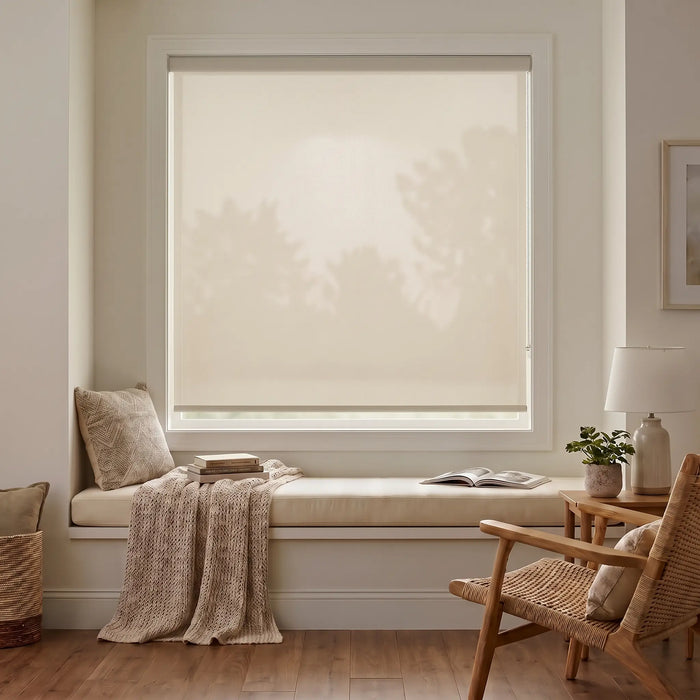
Think of them as a protective layer that helps maintain your desired indoor temperature. Windows naturally allow heat to escape during winter and enter during summer. Insulated shades address this challenge by blocking that heat exchange, helping insulate your home and keep it more comfortable year-round.
Why Insulated Window Shades Matter
Energy Efficiency and Cost Savings
Your windows are one of the biggest sources of energy loss in your home. Insulated window treatments can reduce heat gain and loss by up to 40%, directly lowering energy bills throughout the year. These shades typically pay for themselves within a couple of years by reducing the workload on your heating and cooling systems.
Comfort and Temperature Control
Insulated shades regulate indoor temperature without constant thermostat adjustments. During winter, they keep rooms warm by preventing cold drafts and heat loss. In summer, they prevent overheating by blocking radiating heat before it enters your space. The insulating materials also provide excellent sound absorption, creating a quieter environment.
Year-Round Benefits
These window coverings work effectively in all seasons. Winter protection against cold and summer defense against bright sun mean you maintain comfort and appearance throughout the year. Your HVAC system operates more efficiently when insulated window coverings minimize the temperature fluctuations your system needs to correct.
How Insulated Window Shades Work
Insulated window treatments create a barrier that minimizes heat transfer by trapping air between the window and your room. For honeycomb cellular window shades, the three-dimensional honeycomb structure creates air pockets that insulate effectively, preventing heat from moving through the material, blocking heat in summer and preventing heat loss in winter. Effectiveness depends on material thickness, construction design, and proper fit.
Types of Insulated Window Coverings
Cellular/Honeycomb Shades
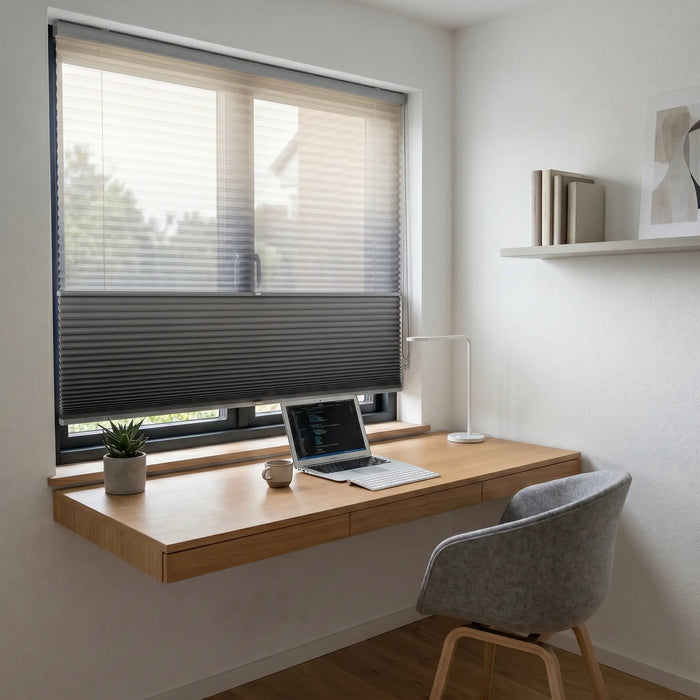
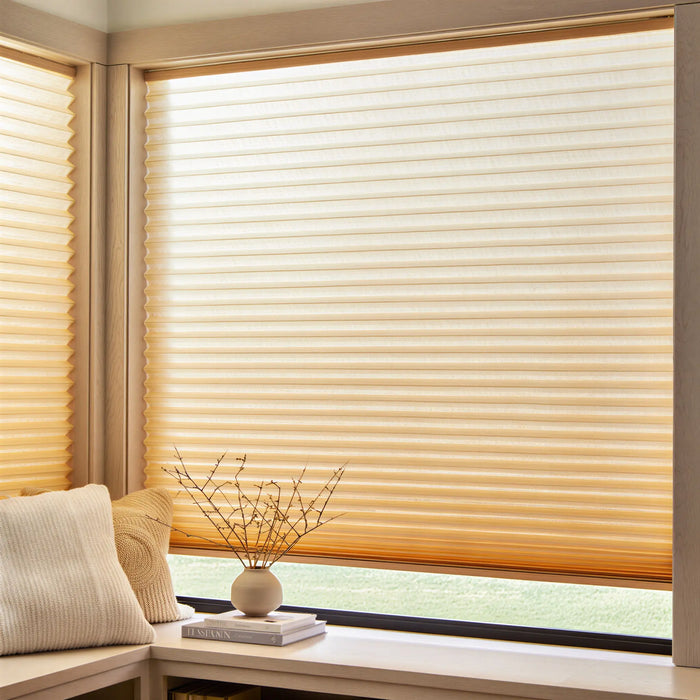
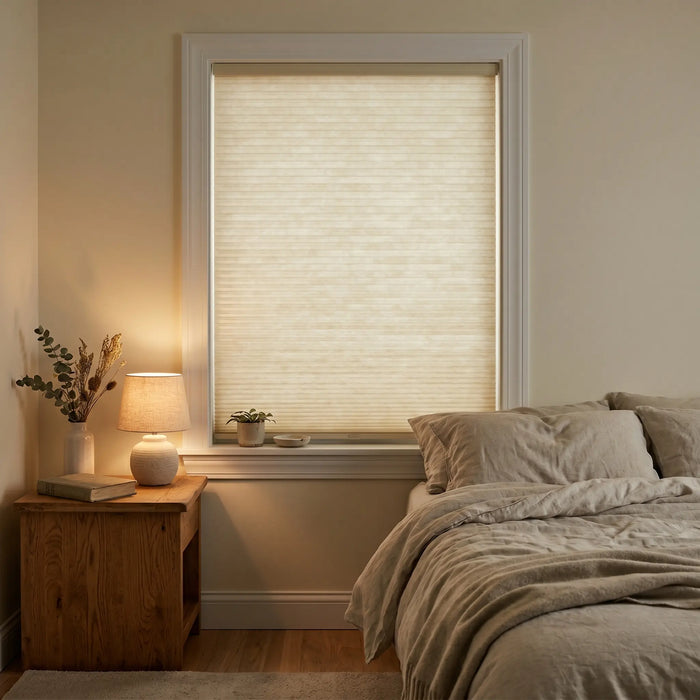
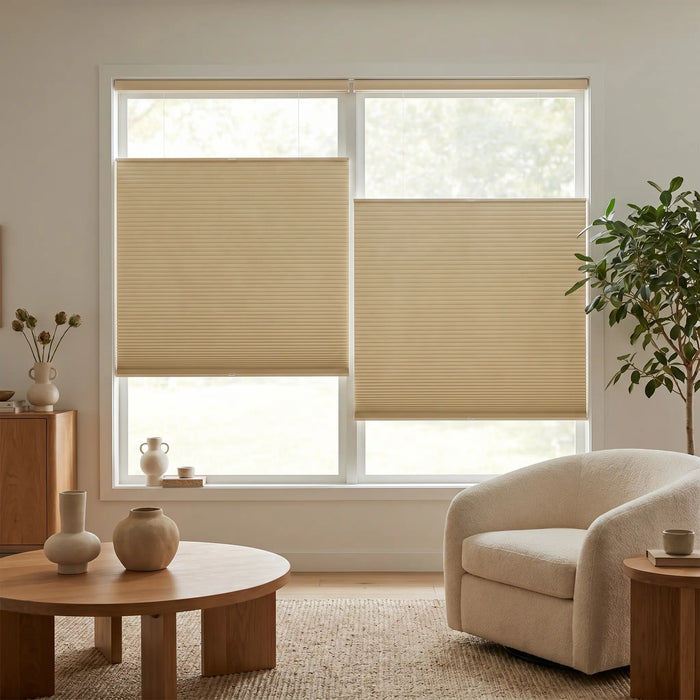
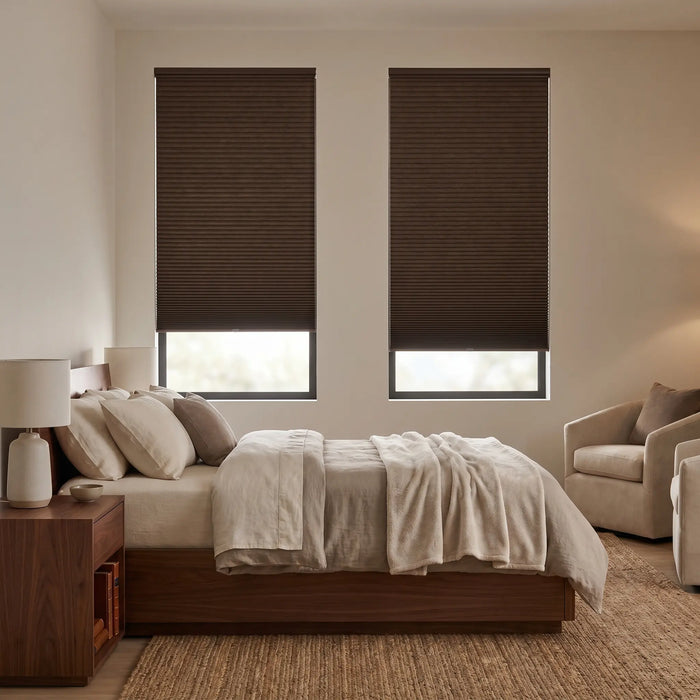
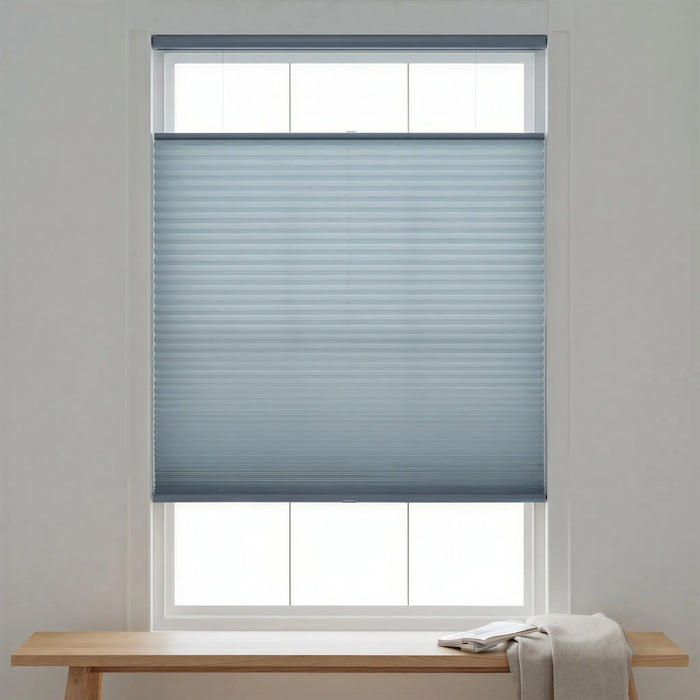
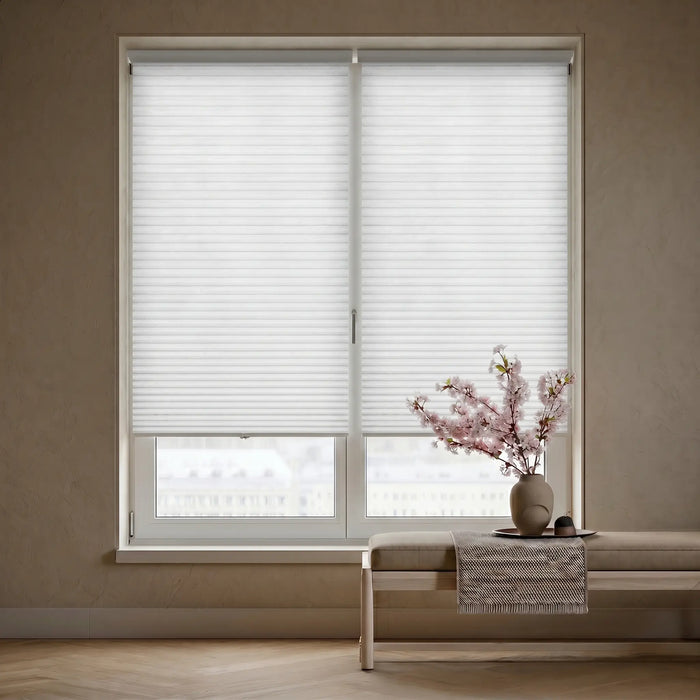
Cellular shades offer maximum insulation through a honeycomb structure that traps air in multiple pockets. Each pleat in the design helps insulate effectively by creating air chambers that trap heat. Choose between single-cell for good insulation or double-cell for better insulation with two layers, particularly effective for extreme climates. Fabric versions resist wrinkling and last longer than paper, working well on standard windows, sliding glass doors, and patio doors.
Roller Shades
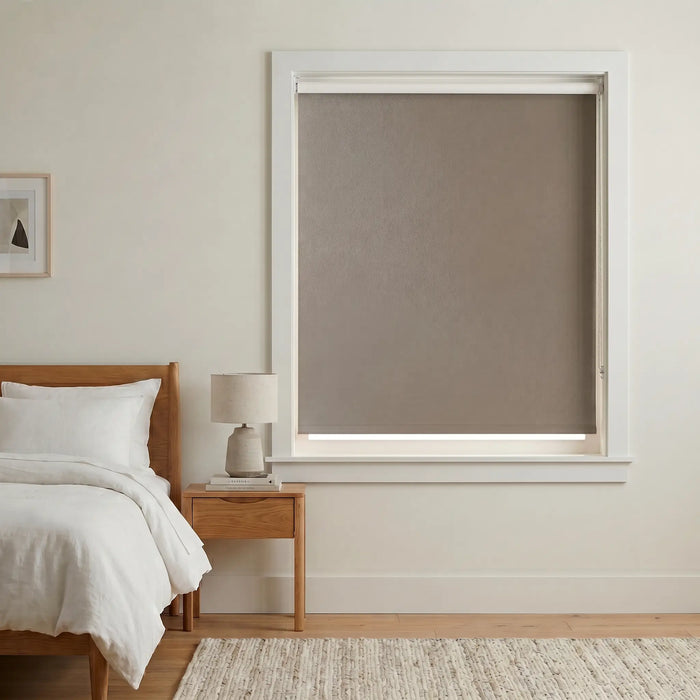
Roller shades for windows provide solid insulating value, with heavier fabrics delivering higher performance. Thermal fabrics, reflective backing, and insulating air pockets enhance temperature regulation. Customizable opacity levels and thermal lining reduce energy loss while providing light control.
Roman Shades
Roman shades use thick fabric that insulates against cold and reduces drafts. The pleated design creates natural air pockets that enhance insulation. Adding a liner increases insulation properties significantly. Available with motorization, cordless operation, or continuous loop lift, the layered fabric folds create natural insulation when lowered.
Solar Shades
Solar shades excel at keeping heat out with durable fabrics that block heat before it enters your home. The open weave design maintains your view outdoors while blocking solar heat, with darker fabrics providing better outward visibility. These work well for sun-facing windows where heat gain is a primary concern.
What to Consider When Choosing Insulated Window Shades
Cell Size: Single vs Double Cell
Single-cell construction offers good insulation for moderate climates, while double-cell provides enhanced insulation with two layers of honeycomb cells. Double-cell works best for extreme temperatures, large windows, or rooms prioritizing energy efficiency. Both options work well whether you choose cellular shades or other types of blind.
Fabric Types and Materials
Fabric cellular shades outperform paper alternatives in longevity and wrinkle resistance. Heavier fabrics provide better insulation. Tighter weaves block more heat transfer but reduce visibility, while looser weaves allow more light and view but provide less insulation.
Light Control Options
Light-filtering fabrics allow natural light while maintaining privacy and insulation, working well in living areas. Room-darkening options reduce light significantly while maintaining insulation properties. Blackout window shades block 99% of light and UV rays with thermal lining, ideal for bedroom applications needing complete darkness and maximum temperature control.
How Fabric Color Impacts Insulation
Dark-colored fabrics absorb more solar radiation, increasing energy savings during colder months and reducing interior glare. Lighter colors reflect solar radiation during warmer months, helping keep rooms cooler. Medium tones provide year-round balance in moderate climates.
Window Size and Type Compatibility
Insulated shades adapt to various window configurations through custom sizing. Standard windows work with any style, including window blinds and shades. For sliding glass doors and patio doors, cellular shades with vertical orientation or wider roller shades provide coverage. Tall or wide windows benefit from motorization for easier operation.
Features and Options
Motorization and Smart Features
Motorized window shades offer convenience through voice commands or smartphone apps, allowing control from anywhere. Automation lets you customize daily schedules for automatic opening and closing, optimizing natural light and energy efficiency. Smart features enhance home security when integrated with smart home systems. Rechargeable battery options power shades for months between charges.
Privacy Features
Insulated shades with light guard features fit snugly to window frames, eliminating gaps and preventing outside views while maximizing insulation. This combination makes them particularly effective for ground-floor windows, bedroom windows, and bathrooms.
Installation and Maintenance
Installation Considerations
Proper installation maximizes performance by fitting snugly against the window frame to prevent air gaps. Inside mount places the shade or blind within the window frame for a streamlined appearance, while outside mount covers the entire opening, maximizing light blocking. Our measurement guides help you determine the best mount type, or call 1-800-355-2546 for assistance.
Maintenance and Care
Insulated shades require minimal maintenance with regular dusting or vacuuming using a soft brush attachment. For deeper cleaning, spot clean with mild detergent and water, avoiding harsh chemicals. Most cellular shades should not be submerged in water. Cordless and motorized options eliminate cords, improving safety and reducing maintenance.
 Skip to content


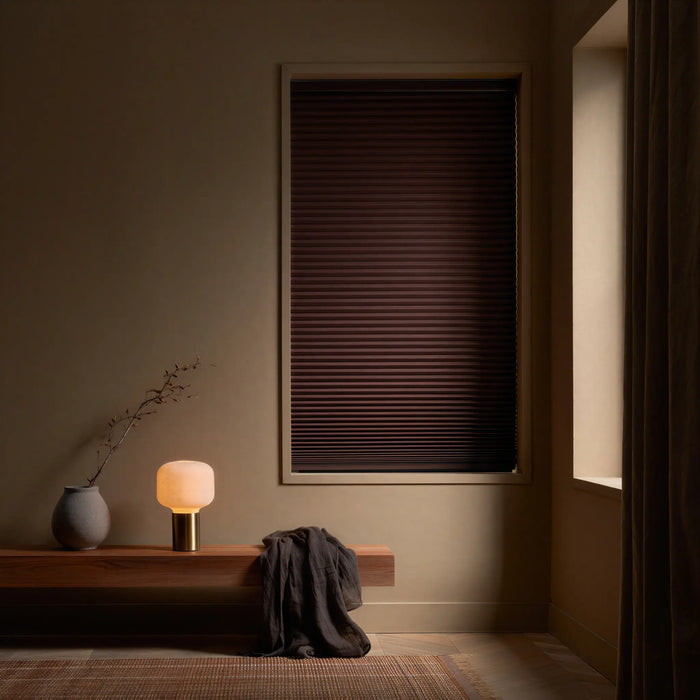 6 colors availableBest Seller (13)
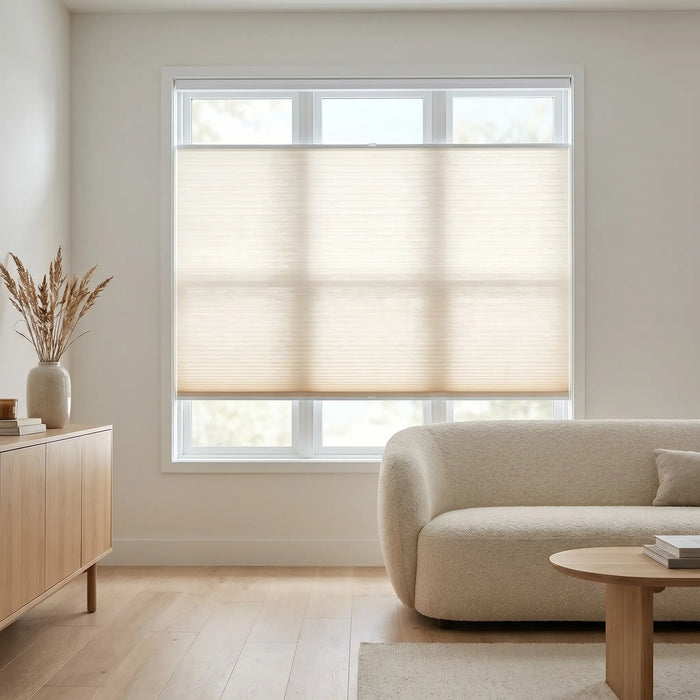 6 colors available(6)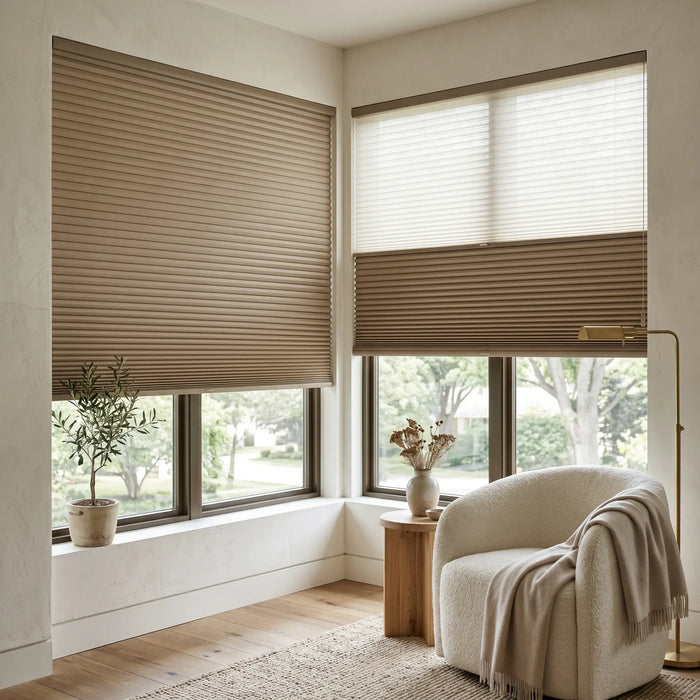
 6 colors available(8)Free Shipping
 7 colors available(351)Free Shipping
 6 colors available(163)Free Shipping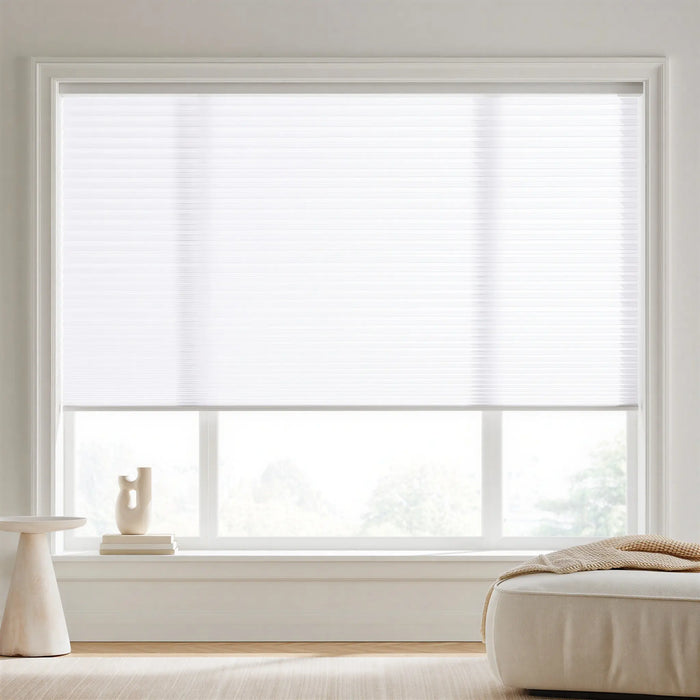
 10 colors available(267)Free Shipping
 10 colors available(351)