Skip to content


Window Blinds Buying Guide: Types & Materials


Window blinds do more than cover glass. They give you control over light and privacy and can reduce energy loss through windows.
Key Takeaways
- Blinds control light and privacy and can help reduce window-related energy loss in a home.
- Horizontal, vertical, and sheer blinds suit different openings: sliding doors, large windows, or filtered light spaces.
- Wood gives a warm, insulating look but warps in humidity; faux wood, vinyl, metal resist moisture.
- Tilting slats allow adjustable light and privacy, while shades achieve fuller blackout when complete darkness is needed.
According to the U.S. Department of Energy, about 30% of a home's heating energy is lost through windows. The right blinds can help you manage that loss while fitting your style and budget.
Blinds are horizontal or vertical slats (or vanes) that you tilt and often raise or lower. They come in wood, metal, vinyl, and fabric. This guide covers main types, materials, and how to choose.
Why Choosing the Right Blinds Matters
Blinds are versatile. The type and material you choose affect how they look, how long they last, and where they work best.
Slat width, thickness, material, and finish all matter. Large windows often look better with wider slats. Small or narrow windows usually suit narrower slats.
Light-colored slats reflect more light than dark ones. Wood slats add a bit of natural insulation compared with thin metal or vinyl.
Real wood can warp in high humidity. Faux wood, vinyl, and metal hold up better in bathrooms, kitchens, and basements.
Types of Window Blinds: An Overview
Blinds fall into a few main categories by structure.
| Type | Best for | Typical materials |
|---|---|---|
| Horizontal slat (Venetian, wood, faux wood, metal, vinyl, mini) | Most windows; light control and privacy | Wood, composite, aluminum, vinyl |
| Vertical blinds | Sliding doors, wide or tall windows | Fabric, vinyl |
| Sheer/soft blinds | Bedrooms, living rooms; filtered light | Fabric |
Horizontal Slat Blinds
These blinds use horizontal slats that tilt with a wand or cord. They usually raise and lower on a cord or cordless mechanism.
Venetian blinds
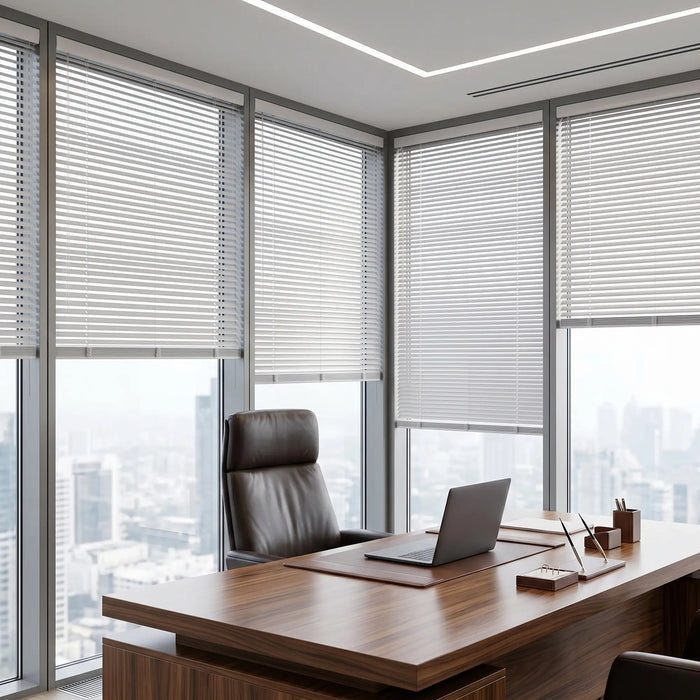
Venetian blinds are the classic horizontal slat style. A cord or ladder system raises and lowers them; a wand or cord tilts the slats. They work in almost any room and come in slat widths from about 1" to 2" and in many materials: wood, faux wood, metal, and vinyl. You get a wide range of light and privacy by tilting the slats.

Wood blinds
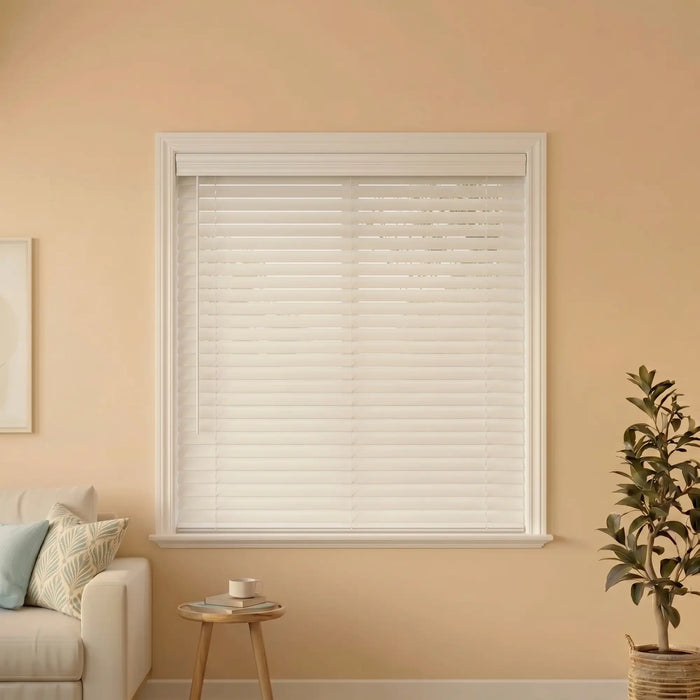
Wood blinds use real wood slats (often basswood or other hardwoods). They offer a timeless, warm look and natural grain. Wood is a natural insulator and suits living rooms, dining rooms, bedrooms, and home offices.
Keep them out of high-humidity areas like bathrooms unless the room is well ventilated; real wood can warp or crack with moisture. They're easy to dust and maintain. You can find them in clear stains, painted finishes, and a range of tones.

Faux wood (and composite) blinds
Faux wood (and composite) blinds look like wood but are made from PVC, foamwood, or other composites. They resist moisture and humidity, so they're a strong choice for bathrooms, kitchens, laundry rooms, and basements.
They cost less than real wood and won't warp in damp conditions. Many homeowners use real wood in living areas and faux wood in wet areas. For cleaning and maintenance, you can wipe them down with a damp cloth when needed as suggested on this guide.

Mini/Aluminum blinds
Aluminum blinds have slim, durable metal slats. They look clean and modern and suit home offices, kitchens, and contemporary or industrial-style rooms.
They're lightweight, resist bending and breaking, and many finishes resist rust. They're easy to clean and repair. You'll find them in a range of colors and finishes.

Vinyl blinds
Vinyl blinds are affordable, durable, and come in many colors and textures. They resist moisture and work well in high-traffic or budget-conscious spaces, including kids' rooms and rec rooms.
Thicker vinyl holds up better than thin plastic or basic mini blinds. They're low maintenance and easy to wipe clean.

Most horizontal slat blinds come in corded, cordless, or motorized versions. The U.S. Consumer Product Safety Commission (CPSC) recommends cordless options in homes with children.
Vertical Blinds
Vertical blinds use vertical vanes or panels that hang from a track. You slide them left or right to open or close and tilt the vanes for light and privacy. They're the go-to choice for sliding glass doors and wide or tall windows because they're easy to operate and give you a full view when open.

You can get them in fabric, vinyl, and wood-look materials. Controls include a wand, cord or chain, or motor. They work well on patio doors, wall-to-wall windows, and in modern or mid-century spaces. Because they don't use a string ladder, you can often replace a single damaged vane instead of the whole unit.
Sheer/Soft Blinds
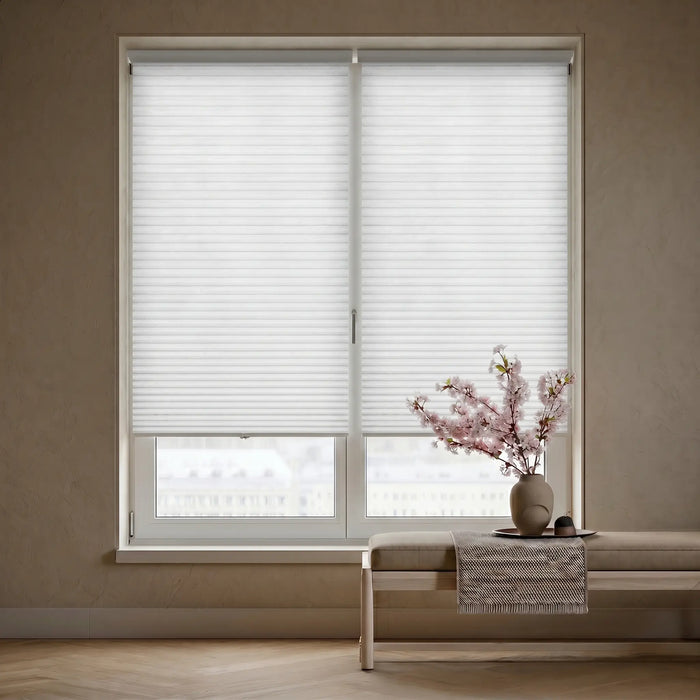
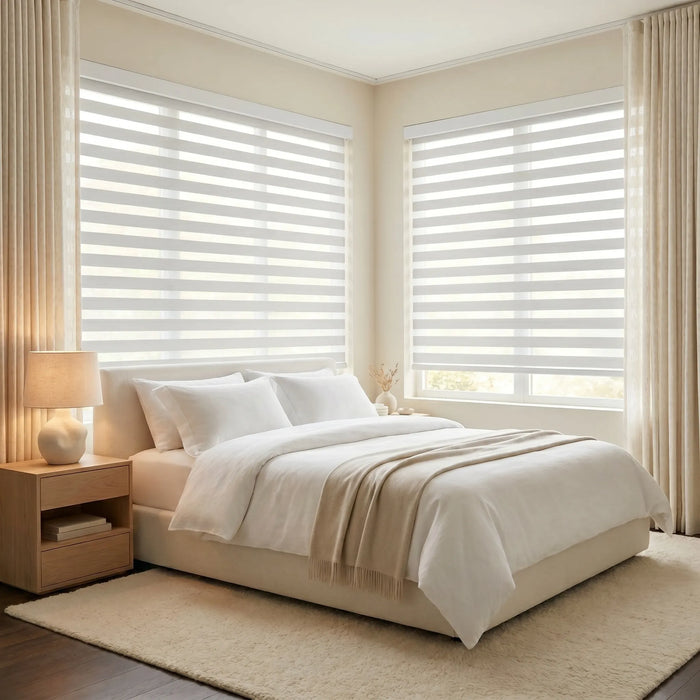
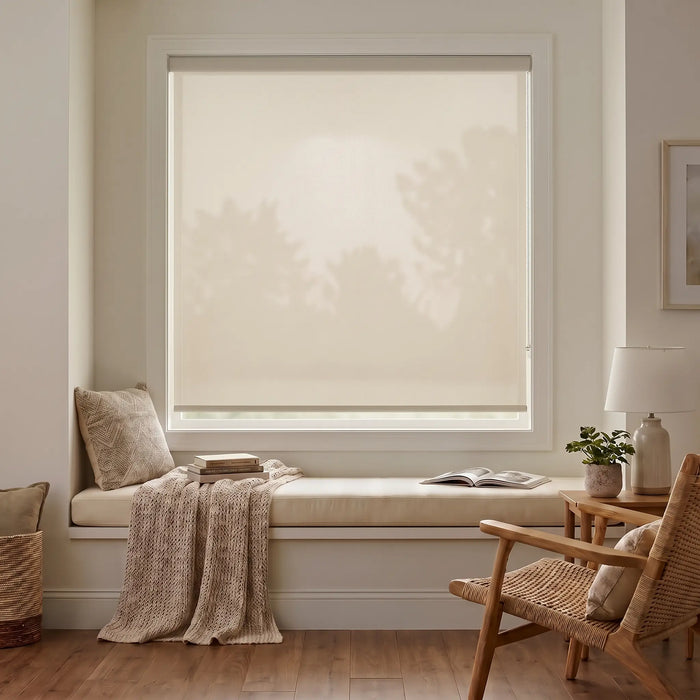
Sheer or soft blinds use two layers of sheer fabric with fabric vanes between them. You tilt the vanes like slats. They suit bedrooms and living rooms where you want filtered light.

Window Blind Materials: Wood, Faux Wood, Metal, Vinyl & Fabric
The material your slats or vanes are made of affects durability, maintenance, and where the blinds belong.
Natural wood
Warm look, natural grain, and good durability. Wood adds a bit of insulation. It tends to cost more than synthetic options and is best in low-humidity rooms. Avoid using real wood in steamy bathrooms unless the space is well ventilated.
Faux wood/composite
Looks like wood, resists moisture, and is typically more affordable than real wood. Good for bathrooms, kitchens, and basements. Holds up well with minimal upkeep.
Metal (aluminum)
Durable, modern, and easy to clean or repair. Lightweight and often corrosion-resistant. Suits contemporary and industrial styles. Generally more affordable than wood.
Vinyl
Budget-friendly and available in many colors and textures. Resists moisture. Can bend or break with rough use; choose thicker vinyl for better durability. Good for high-traffic or low-maintenance spaces.
Synthetic/other
Includes PVC, foamwood, and composites that imitate wood or bamboo. Balances cost, durability, and style. Often used in faux wood and some vertical options.
Fabric
Used in sheer/soft blinds and fabric vertical vanes. Softens light and adds texture. Cleaning and durability depend on the specific fabric.
When to use each: Choose real wood when you want a classic look and have a drier room; choose faux wood or vinyl when you need moisture resistance or a tighter budget. For vertical blinds, lighter materials (vinyl, fabric) are often better than heavy wood so the vanes don't bang or damage the window when they swing.
Light Control and Privacy: What to Expect From Blinds
Blinds give you a range of light and privacy by tilting the slats. When they're fully closed, a small amount of light can still pass between the slats. If you need near-total darkness, consider layering with another treatment or a blackout option.
Light-filtering vs. room-darkening
Light-filtering blinds soften light and give some privacy while still allowing a soft glow. Room-darkening (and blackout) options block most or all light. Blinds are best when your goal is adjustable light control and privacy rather than complete blackout.
Slat size and view
Smaller slats can limit your view when the blinds are open. Wider slats are often preferred on large windows when you want a clearer view.
Color
Lighter slats reflect more light into the room; darker slats can improve your outward view when tilted. For "see out but not in" privacy, light-colored slats help. For a better view out with less focus on privacy, darker slats can work well.
Blinds vs. Shades
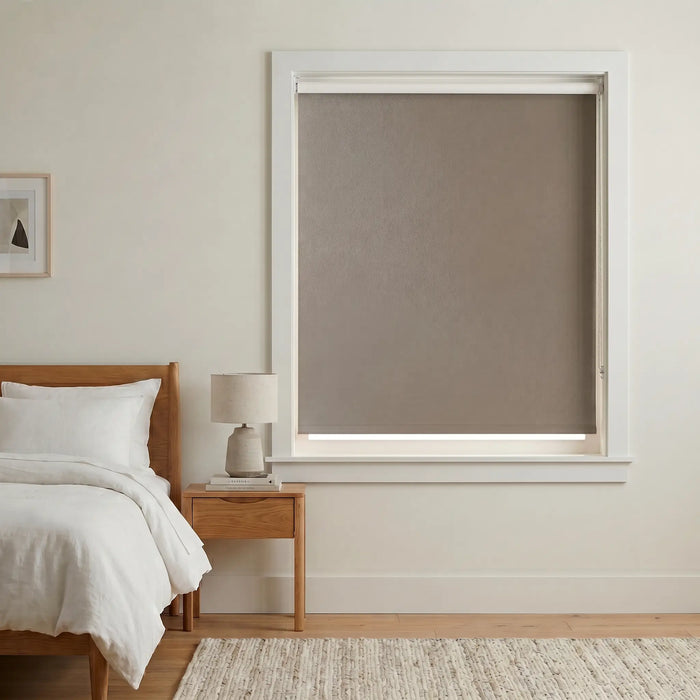
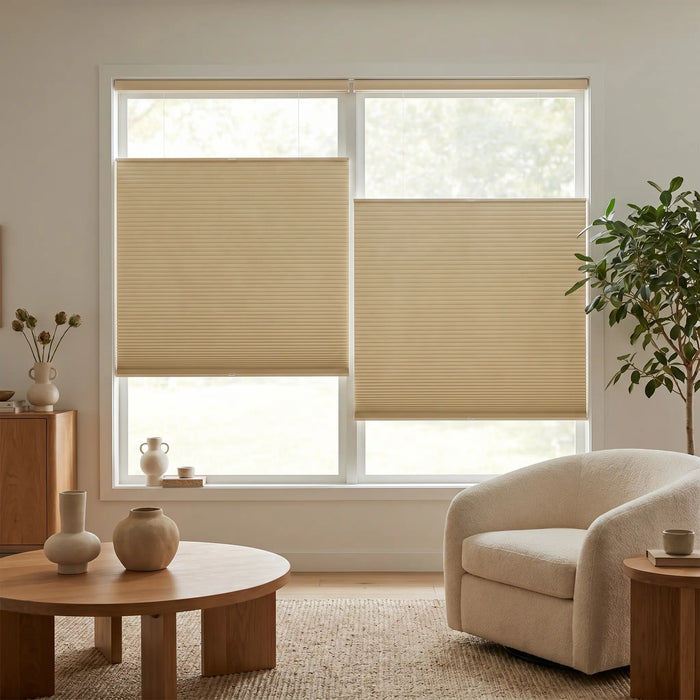
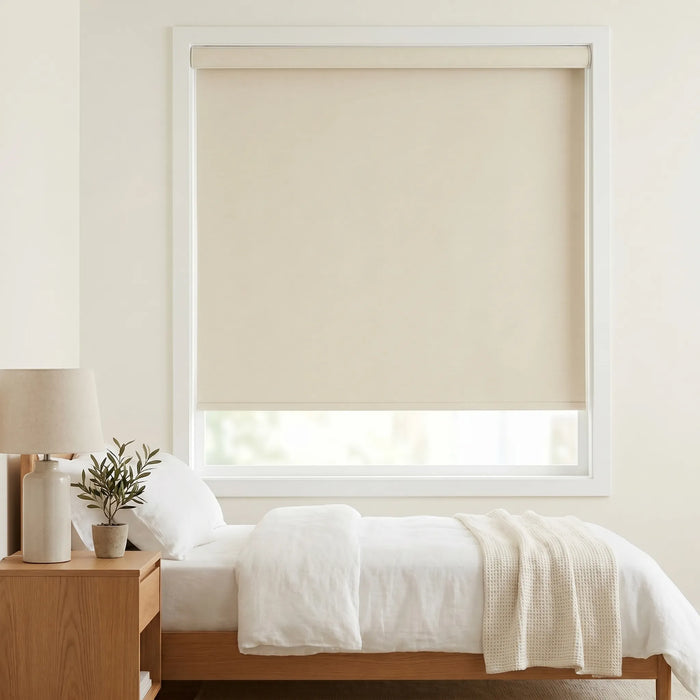
Blinds use multiple slats or vanes that you tilt and usually raise or lower. Shades use a single piece of material that typically only moves up and down.
For a full comparison and when to choose blinds over shades, read Blinds vs Shades: Choosing the Right Window Treatment.
How to Choose the Right Window Blinds for Your Home
Use your room, window, style, and budget to narrow your options.
Room and use: In living rooms, think about light and style. In bedrooms, privacy (and optional blackout with another layer) matters. In kitchens and bathrooms, choose moisture-resistant materials like faux wood, vinyl, or metal. For a home office, consider glare control. For sliding doors, vertical blinds are a natural fit.
Window size and shape: Large windows often suit wider slats or multiple units. Small or narrow windows (and sidelights) work well with mini or micro blinds. Tall windows can use vertical blinds or long horizontal blinds. Arched or skylight windows may need specialty options; we cover those in dedicated guides.
Style and décor: Match the blind to your room. Wood and faux wood fit traditional and warm spaces. Aluminum fits modern and industrial looks. Fabric and sheer options add a softer, more refined feel. You can choose blinds that stand out (bold color or pattern) or blend in (neutral tones).
Budget: Vinyl and aluminum tend to be more affordable; wood and custom options often cost more. For energy savings and insulation in depth, see our energy-efficient blinds guide (linked earlier in this article).
Climate and environment: In humid areas, prefer faux wood, vinyl, or metal over real wood. For sun and heat, consider UV-resistant materials and light colors. Wood adds some insulation; for more on energy performance, use the link above.
Operation: Cordless and motorized options improve safety (no loose cords) and convenience. Corded options can be a good fit for cost-sensitive or simple installations. Motorized is especially useful for high or hard-to-reach windows.
Sizing, Mounting, and Operation
Inside mount vs. outside mount: Inside mount installs inside the window frame for a clean look when the frame allows it. Outside mount sits on the trim or wall above the window and can give more coverage or work when the frame is shallow.
Correct measurements are essential. Use our guide to measuring windows for blinds before you order.
Pre-cut vs. custom: Pre-cut blinds come in standard sizes and can be more affordable. Custom blinds are cut to your exact measurements and suit odd-sized or hard-to-fit windows. Measure carefully either way.
Control types: Corded blinds use a traditional pull cord and tilt cord or wand. Cordless blinds raise and lower by hand (e.g., by lifting the bottom rail) and tilt with a wand; there are no loose cords. Motorized blinds use a remote, app, or smart home device.
Slat width: One-inch slats (mini) suit smaller windows and a compact look. Two-inch slats are common on larger windows and give a cleaner line. Micro slats are even narrower for very small openings. Choose based on window size and the look you want.
Window Blinds at a Glance: Comparison Tables
Types
| Type | Best rooms | Key pros | Key cons |
|---|---|---|---|
| Wood | Living, dining, bedroom, office | Timeless look, natural insulator | Avoid high humidity; higher cost |
| Faux wood | Bath, kitchen, basement, laundry | Moisture-resistant, affordable | Not real wood grain |
| Aluminum | Office, kitchen, modern spaces | Durable, modern, easy to repair | Less warmth than wood |
| Vinyl | Kids' rooms, rec rooms, budget | Affordable, many colors, moisture-resistant | Can bend with rough use |
| Vertical | Sliding doors, wide/tall windows | Easy operation, full view when open | Not ideal for small standard windows |
| Sheer/soft | Bedroom, living room | Soft light, refined look | Less structure than hard slats |
Materials
| Material | Durability | Moisture resistance | Typical cost | Best for |
|---|---|---|---|---|
| Wood | High | Low | Higher | Dry rooms, classic look |
| Faux wood | High | High | Mid | Bath, kitchen, value |
| Aluminum | High | High | Lower to mid | Modern, durable |
| Vinyl | Medium to high | High | Lower | Budget, high-traffic |
| Fabric | Varies | Varies | Mid | Sheer/soft, vertical fabric |
Frequently Asked Questions About Window Blinds
What is the most common type of window blinds?
Vinyl and aluminum blinds are among the most common and affordable. Wood and faux wood blinds are also very popular for their look and versatility.
What is the most popular blind style?
Wood and faux wood are often chosen for their classic look. Venetian-style horizontal slat blinds are the most versatile and work in most rooms.
What blinds are best for seeing out but not in?
Light-colored slats tend to give more privacy from the outside. Darker slats can improve your view outward when the slats are tilted.
Can I use wood blinds in a bathroom?
Real wood can warp in high humidity. Prefer faux wood, vinyl, or metal in bathrooms. If you use real wood, ensure the room is well ventilated.
What's the difference between mini blinds and regular blinds?
Mini blinds have narrow slats (about 1"); micro blinds are even smaller. Regular horizontal blinds often have 2" slats. Some mini blinds tilt only and do not raise and lower; check the product before buying.
Are blinds or shades better for blocking light?
Shades (single-panel) are often better for full blackout because there are no gaps between slats. Blinds are better when you want adjustable light and privacy throughout the day.
Finding the Right Blinds for Your Windows
Window blinds give you flexible light and privacy control and come in many types and materials. The right choice depends on your room, window size and shape, style, budget, and climate. Use this guide to narrow your options, then measure your windows carefully and compare products or talk to a professional if you need a hand.