Skip to content


6 Reliable Signs It’s Time to Replace Your Window Blinds


Key Takeaways
- Visible yellowing, fading, or surface stains on blinds signal significant aesthetic deterioration and reduced appearance.
- Physical damage like bent or broken slats and malfunctioning lift mechanisms compromises function and creates safety concerns.
- Frayed or broken cords present safety risks for children and pets; cordless and bottom-rail styles are available.
- Outdated fixtures or newly installed windows with different sizes often lead to mismatched coverings and diminished curb appeal.
1. Discoloration
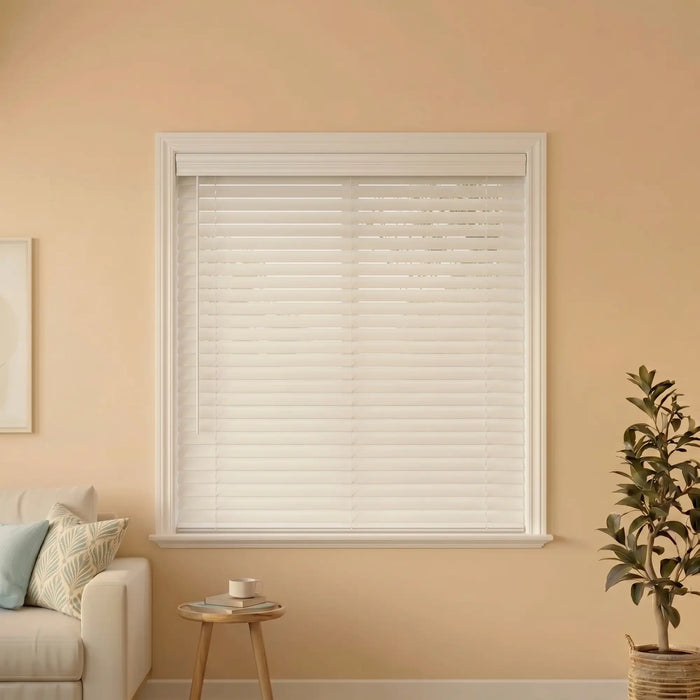
Over time, white blinds are susceptible to yellowing. They also easily show dirt and surface stains. If your horizontal or vertical coverings have obvious discoloration, exchange them for new models. It is also a good idea to swap out your blinds if they are faded. There are a variety of designs and styles available, including wood blinds, vertical blinds and minis in different colors. To prevent yellowing and fading in the future, consider selecting a style in a darker shade.
2. Breaking & Bending
While mini blinds are the most likely type of window fixture to bend or break, all coverings are susceptible to damage. Make your home look more appealing with a set of fashionable replacements. If you want to save money over the long run, consider purchasing a durable and reliable style. Vertical blinds are strong and easily keep light out, while many kinds of trendy wooden blinds are made of 100 percent high-quality basswood.
3. Difficult Lifting
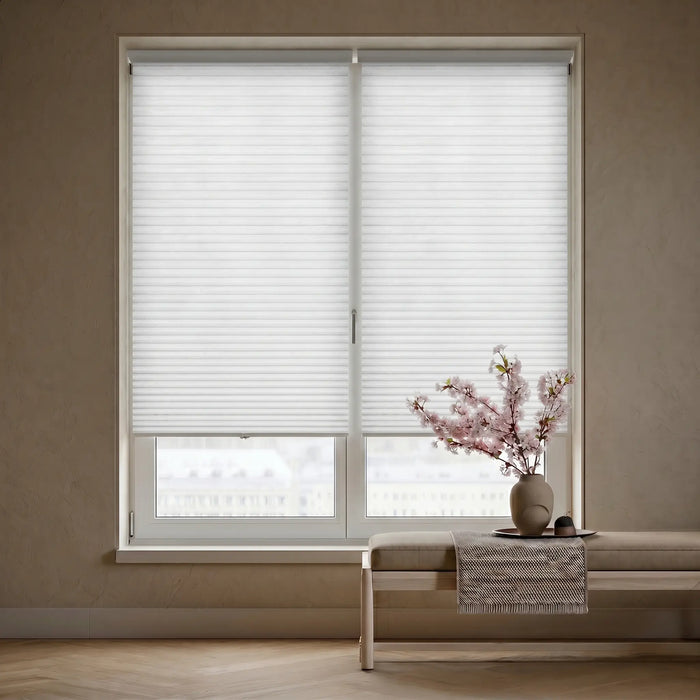
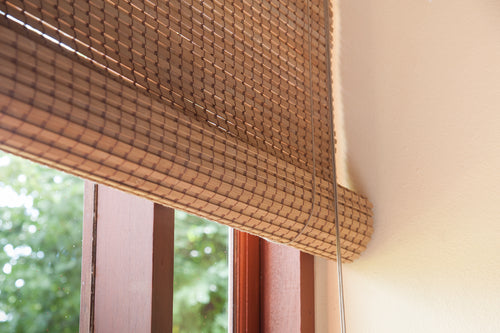
If blind cords make it difficult or impossible to lift the fixture, it is time for a switch. The pulling mechanisms within your blinds are likely broken or in disrepair. This problem may not only render your coverings useless; it could eventually cause injury to yourself or others in your household. A full replacement will allow you to open and close your blinds easily. If you are looking for styles that are less susceptible to snags, innovative cellular blinds and faux wood styles are lightweight and easy to maneuver.
4. Worn Cords
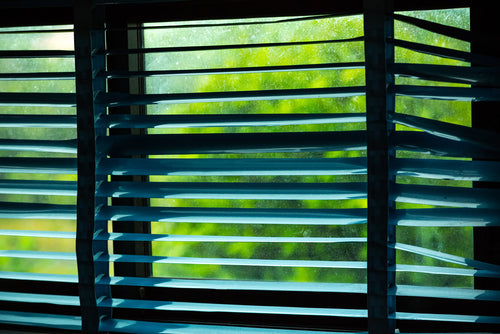
Your blind cords may also fray over the years, which could cause them to break or fall next time you touch them. Avoid damage to your windows and security concerns caused by open windows by exchanging old blinds for fresh ones. If you do not like cords or think they may be unsafe for your children or pets, consider purchasing a set of cordless blinds. A variety of classic, pleated and cellular styles allow you to push and pull the bottom rail to raise or lower them.
5. Outdated Design
If you have old curtains or basic mini blinds throughout your residence, these window coverings could make the entire interior of your home appear outdated. You will enhance the furniture, art and paint in each room by matching your window fixtures with your interior decorating concept.
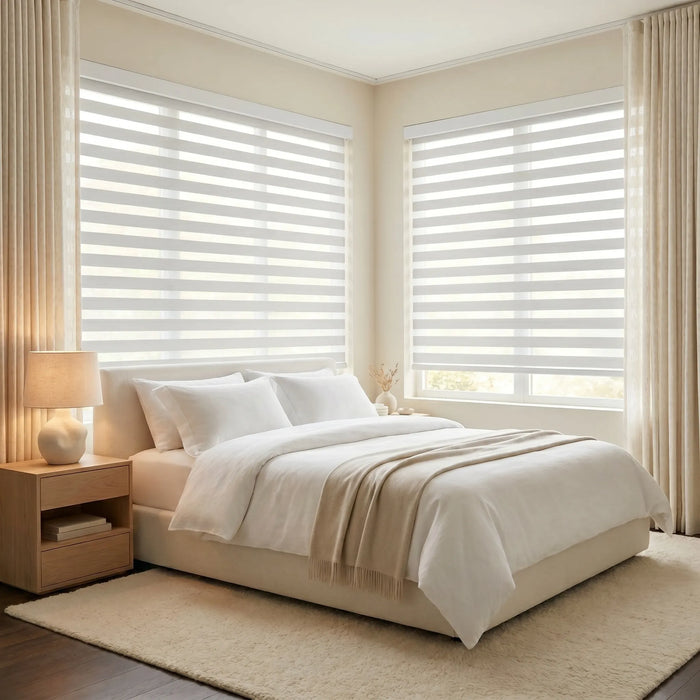
Modern kitchens and living rooms will benefit from premier stained basswood blinds, bamboo styles and faux wood coverings in colors like cherry, acorn and butternut. If you are going for a more traditional look, try fabric verticals, classic privacy blinds or cellular blinds.
6. New Windows
Should the new windows in your home feature a different style or size than your blinds, it is time to measure and replace them. Decide whether you need horizontal or vertical coverings, then determine if they should be outside or inside mounted. Once you make these decisions, use a tape measurer to check the height and width at the top, middle and bottom of the window.
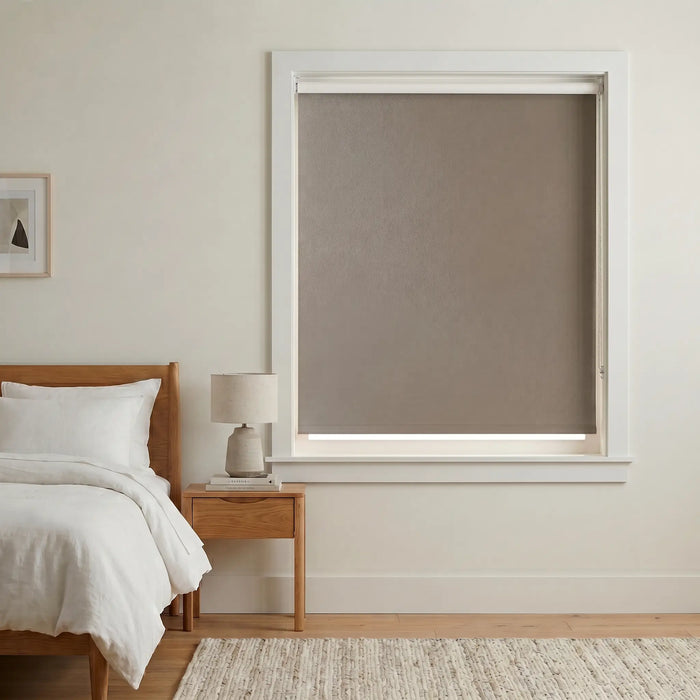
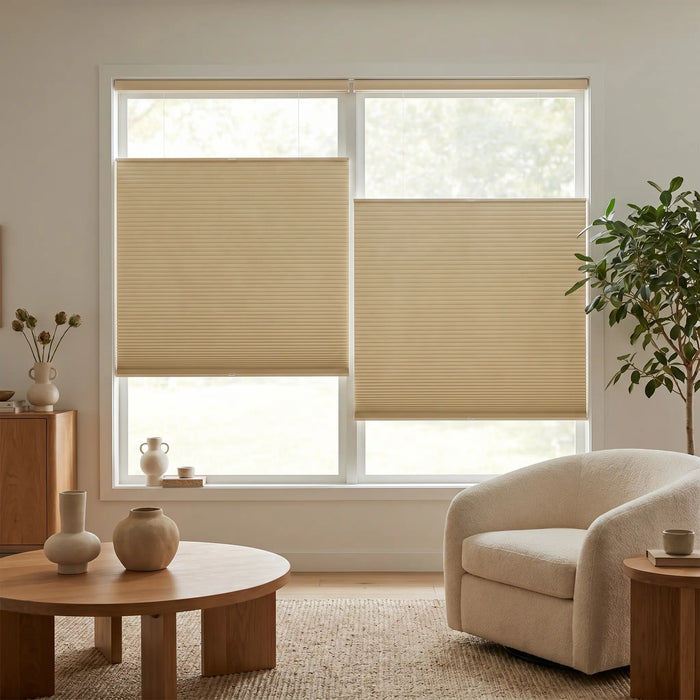
Bring these measurements to your window coverings specialist, who will provide you with your best options, including room darkening, budget friendly and top-down, bottom-up styles.
No matter the style or décor of your home, your windows are one of the first things your neighbors and guests will notice. Enhance their appearance with stylish, quality blinds that keep light out and prevent nosy people from looking inside. Consider the material, color and size you need to narrow down your many choices. Paying attention to the latest trends, durability features and ease of use characteristics will help you make the best decision for your home and family.
Frequently Asked Questions
What are the most common signs that it's time to replace my window blinds?
Look for discoloration or fading, visible bending or broken slats, difficulty lifting, and frayed or worn cords. Outdated design or new windows that differ in size or style are also reasons to replace them.
Are frayed or worn blind cords a safety risk, and what should I do?
Frayed cords can break or fall and may leave windows unsecured, so the article recommends exchanging old blinds for new ones. If cord safety is a concern, consider cordless blinds or styles that raise and lower by pushing the bottom rail.
How do I decide if I need new blinds when I install new windows?
If new windows differ in style or size from your current coverings, measure and replace the blinds. Decide on horizontal or vertical and inside or outside mount, then measure height and width at the top, middle and bottom of the window and bring those measurements to a specialist; see How to Measure Blinds and Shades for measuring guidance.
Which blind styles does the article recommend for durability and easier operation?
The article highlights vertical blinds for strength, basswood and faux wood for durability, and cellular or faux wood styles for lighter weight and easier lifting. It also recommends cordless or top-down/bottom-up options for ease of use and child safety.