Mini Blinds


What Are Mini Blinds?

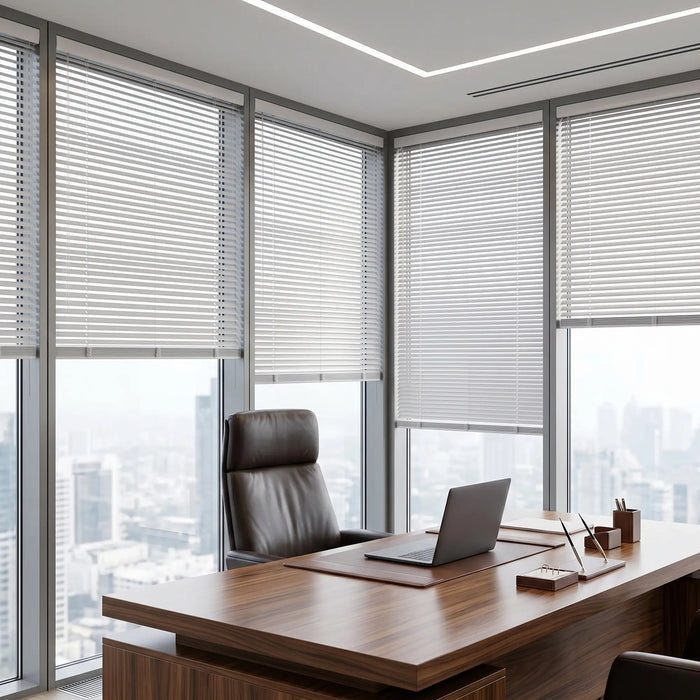
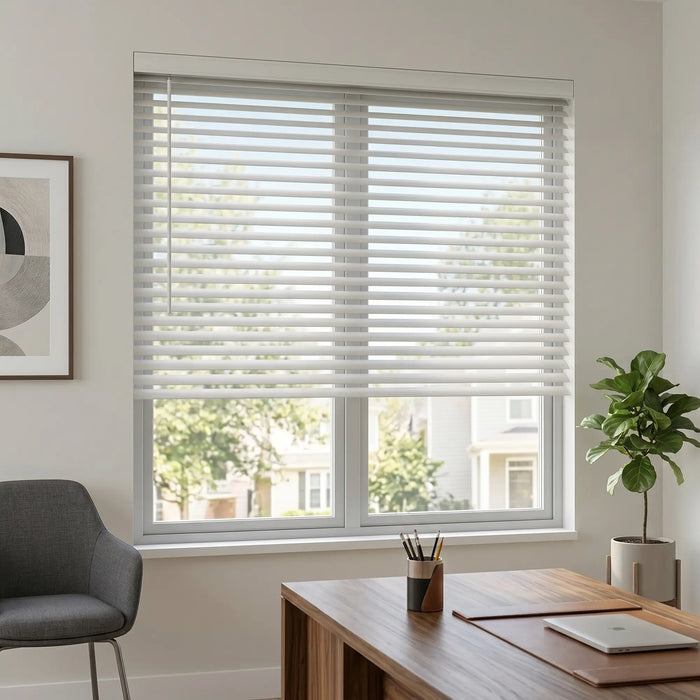
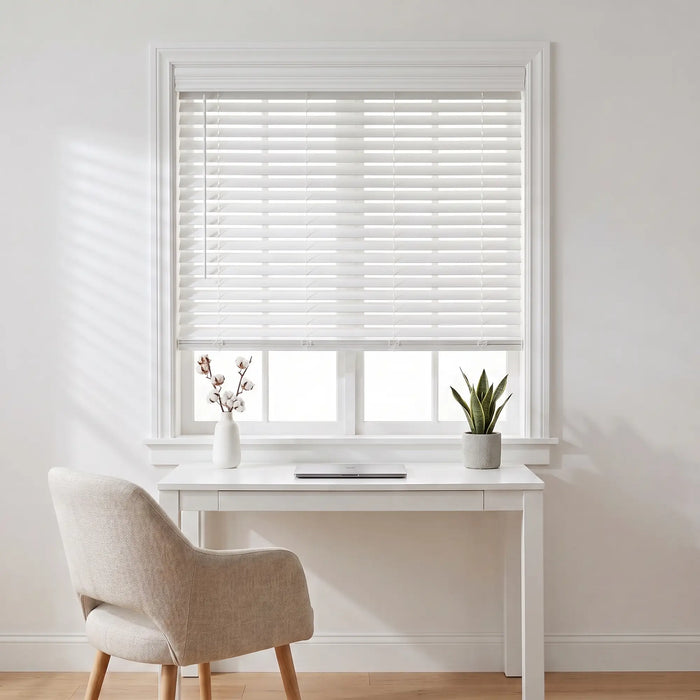
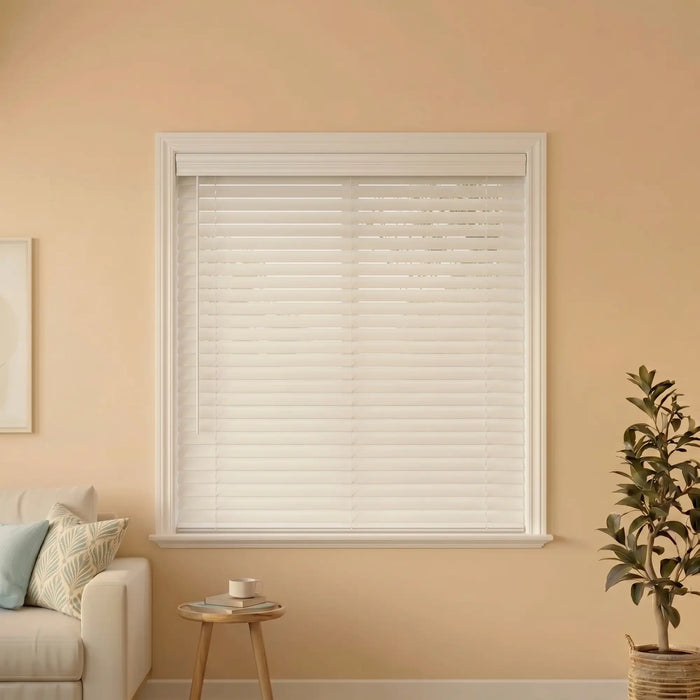
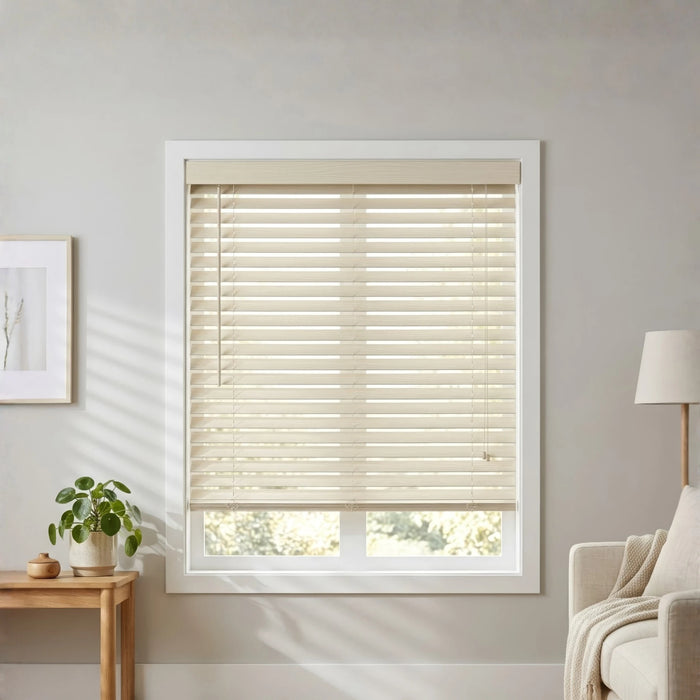
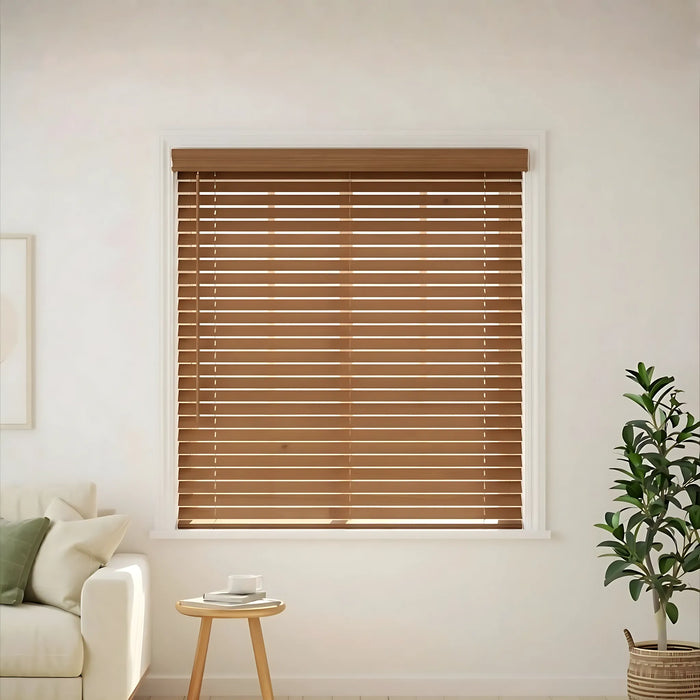
These coverings are horizontal window treatments with 1 or 2 inch slats made from aluminum or other materials. These affordable treatments tilt to control light and privacy.

Benefits of Mini Blinds

These coverings offer exceptional value for homeowners on a budget. They cost less than wood coverings and provide reliable functionality with precise light control, similar to other window blinds in our collection.

These treatments feature a slim profile that fits shallow windows perfectly.

Material Options

Aluminum options are lightweight and durable coverings that resist moisture. Both aluminum and other materials offer moisture resistance with easy cleaning using a damp cloth and mild soap.

Control Options

Corded options use a traditional lift cord and tilt wand for simple operation. Cordless blinds eliminate dangling cords for a cleaner look and safer operation.

Motorized options offer battery-powered convenience.

Where Mini Blinds Work Best

These coverings excel in rental properties, offices, and bedrooms where affordability and durability matter. Bedrooms benefit from their light-blocking capabilities, similar to room darkening blinds for complete darkness.

Kitchens and bathrooms are ideal for moisture-resistant options. Dining room blinds and these coverings work well together for consistent treatments.

Measuring

For inside mount, measure width at top, middle, and bottom using the narrowest measurement. Measure height at left, center, and right using the longest measurement. For outside mount, measure the width you want to cover, extending 2 to 4 inches beyond the frame.

Installation and Maintenance

Most installations take about 30 minutes per window with basic tools. Dust regularly with a microfiber cloth or vacuum.

For deeper cleaning, wipe with a damp cloth and mild soap, then dry immediately. Never submerge in water.

Frequently Asked Questions

What are mini blinds?

These coverings are horizontal window treatments with 1 or 2 inch slats made from aluminum or other materials that tilt to control light and privacy.

What's the difference between aluminum and vinyl mini blinds?

Aluminum options are lightweight and durable with a more industrial appearance. Both materials offer moisture resistance with easy maintenance.

Can I still buy mini blinds with cords?

Yes, corded options are available with traditional lift cord and tilt wand operation.

How do I measure for custom mini blinds?

Measure width at top, middle, and bottom using the narrowest measurement. Measure height at left, center, and right using the longest measurement.

How long does it take to install these coverings?

Most installations take about 30 minutes per window with basic tools.

Can these coverings be motorized?

Yes, motorization is available for ultimate convenience with battery-powered motors.

How do I clean these coverings?

Dust regularly with a microfiber cloth or vacuum. For deeper cleaning, wipe with a damp cloth and mild soap.

Do these coverings work in bathrooms and kitchens?

Yes, both aluminum and other material options resist moisture, making them ideal for bathrooms and kitchens.

What colors are available for these coverings?

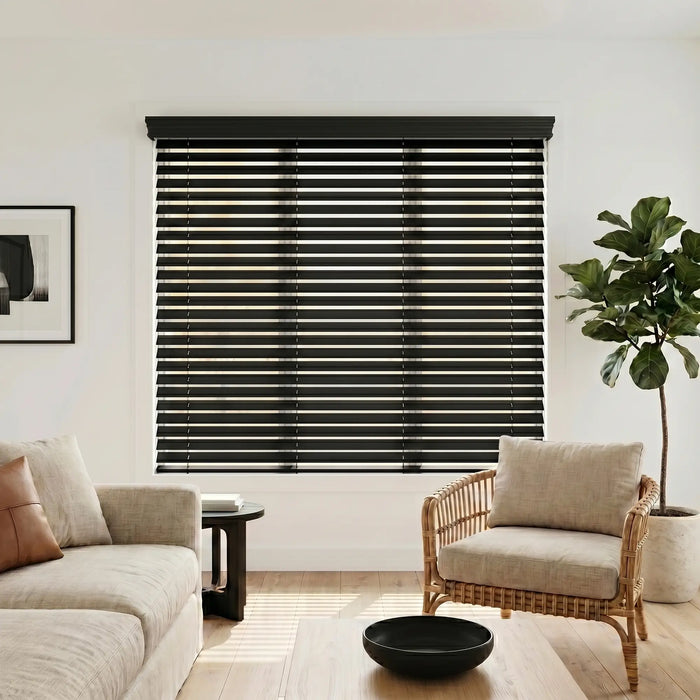
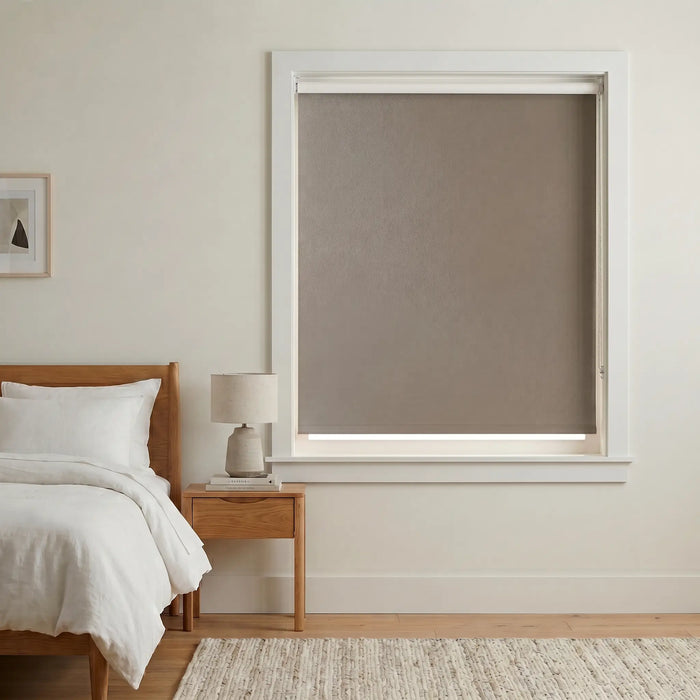
These coverings come in multiple colors including white, off-white, beige, tan, gray, and darker tones.

Are custom options more expensive than ready-made?

Custom options are competitively priced and offer better value than ready-made alternatives.

Can I use these coverings in rental properties?

Yes, these coverings are excellent for rental properties. They're affordable, durable, and easy to replace.

How do cordless options work?

Cordless options eliminate dangling cords for a cleaner look and safer operation. Push up on the bottom rail to raise the coverings.

What are the disadvantages of these coverings?

These coverings work best on smaller windows, as many rows can look busy on large windows.

How much do these coverings cost?

These coverings are one of the most cost-effective window treatment options available.

What are the alternatives to these coverings?

Alternatives include faux wood coverings, cellular shades, roman shades, roller shades, and vertical options.