Skip to content

Are Cellular Shades Safe for Children? What Every Parent Should Know


Yes, cellular shades can be a safe window treatment for homes with children, but the safety depends on operation style. Cordless and motorized options are the safest approach, while exposed cords can create a serious hazard for little ones.
Key Takeaways
- Cordless or motorized cellular shades remove accessible cords and substantially reduce strangulation risk for young children.
- CPSC guidance highlights exposed cords and cord loops as significant strangulation hazards in homes with children.
- Cordless cellular shades provide insulation, light filtering, and blackout options while minimizing reachable moving parts near windows.
- Retrofitting cords can reduce immediate risk, but full cordless or motorized replacement is preferred for daily child-used rooms.
If you are setting up a nursery, bedroom, or play area, the key question is not just “cellular shades or not.” The real question is whether the shade design is truly cord-free in the child’s reachable zone.
Why Corded Window Coverings Are a Recognized Hazard
CPSC safety guidance has repeatedly highlighted the risk from accessible cords on blinds and shades. A loose cord or cord loop can create strangulation risk for children, especially toddlers who can climb onto furniture near windows.
That is why many modern safety recommendations prioritize eliminating exposed cord paths rather than trying to “manage” them after installation.
Even if a corded blind looks out of reach today, room layouts change. A moved crib, toy bin, or chair can make the same cord reachable later.
CPSC Guidelines for Child-Safe Window Coverings
Practical child safety guidance aligns around a few clear rules:
- Prefer cordless window treatment products in any space children can access
- Keep beds, cribs, and climbable furniture away from window areas
- Avoid exposed loops and long pull cords
- Use approved retrofit safety devices only as interim risk reduction
The safest setup is prevention-first: no reachable cord, not just a tied cord.
Why Cordless Cellular Shades Are Recommended in Kids' Rooms
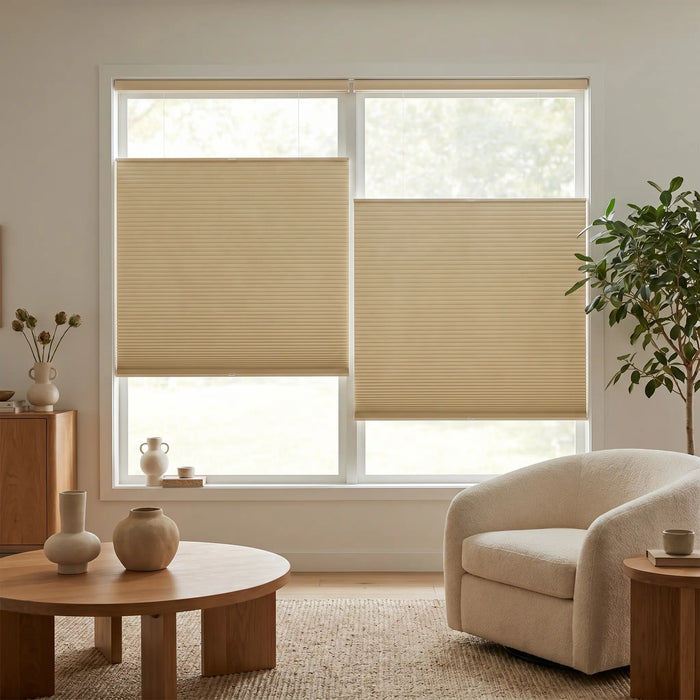
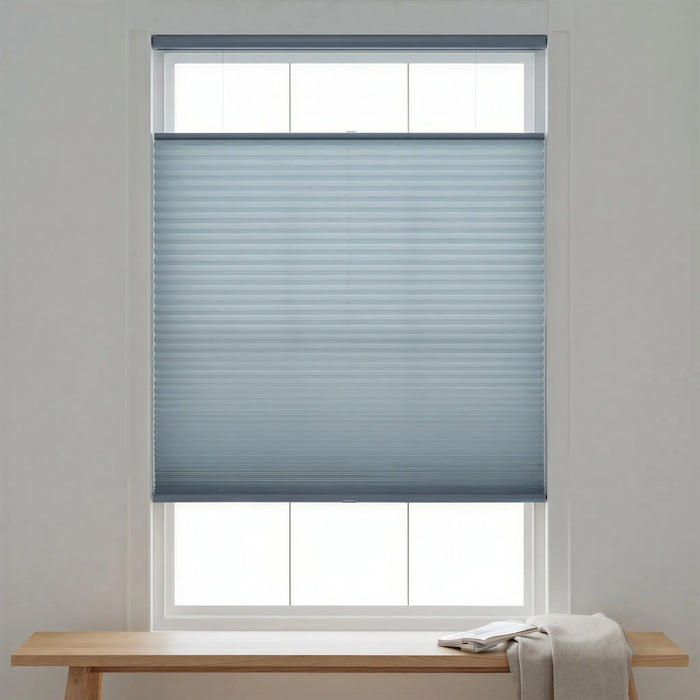
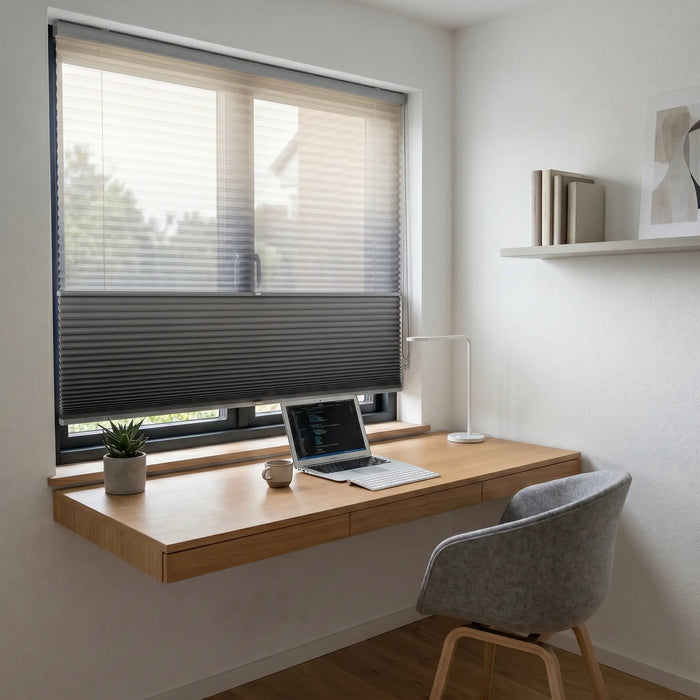
Cordless cellular shades remove the most common hazard point while keeping the benefits parents usually want: privacy, insulation, and light control.
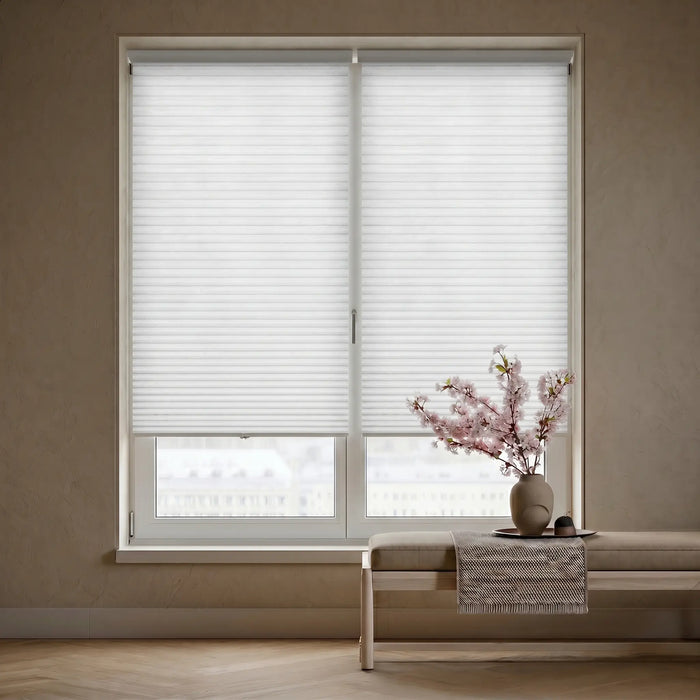
They are also known as honeycomb shades and are popular because they can:
- help insulate bedrooms and support energy efficiency
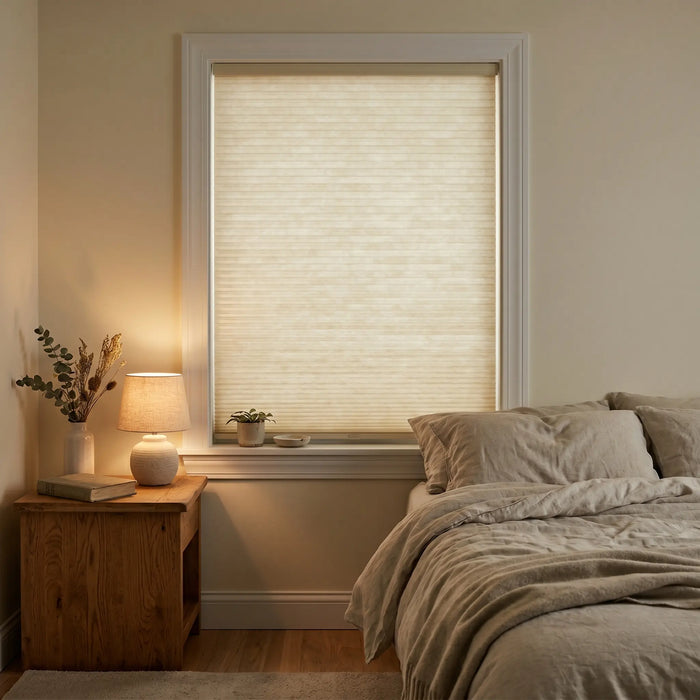
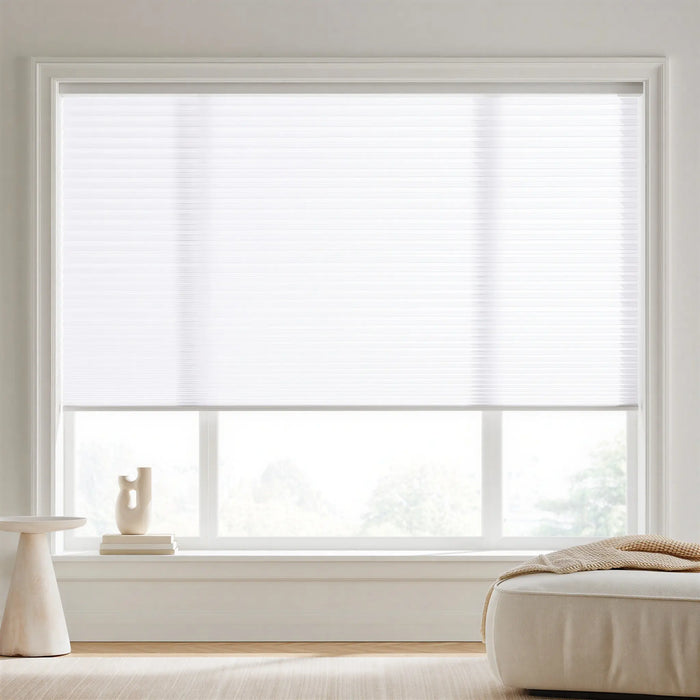
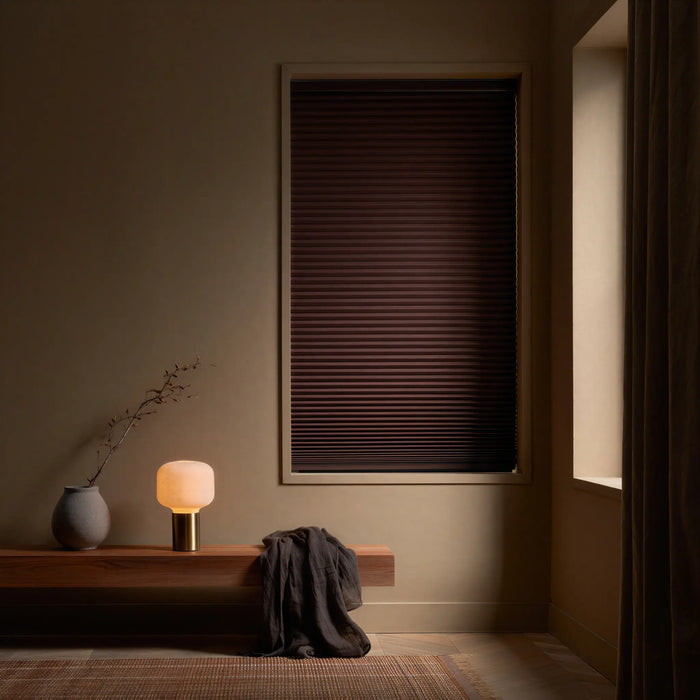
- offer light filtering or blackout options for naps and sleep schedules
- provide a cleaner look with fewer accessible moving parts
For child safety, cordless is a functional safety feature, not just a style upgrade.
What to Do If You Already Have Corded Cellular Shades
If your current shades have cords and a child can access the room, take action quickly.
Immediate risk-reduction steps
- shorten and secure accessible cord length
- install cord cleats/tension devices where applicable
- remove climbable furniture away from cords
- supervise use until a safer replacement is installed
These steps reduce risk but do not fully remove it in the way a cordless product does.
Retrofit or replace decision
Retrofit can make sense for short-term mitigation, but full replacement is usually the cleaner long-term solution in primary child spaces. If the room is used daily by little ones, upgrading to a truly cordless system is generally the safer call.
Motorized as a Fully Cord-Free Option
Motorized shades are another strong child safety option because they remove manual cord handling altogether. They are especially useful for hard-to-reach windows and for parents who want repeatable open/close schedules.
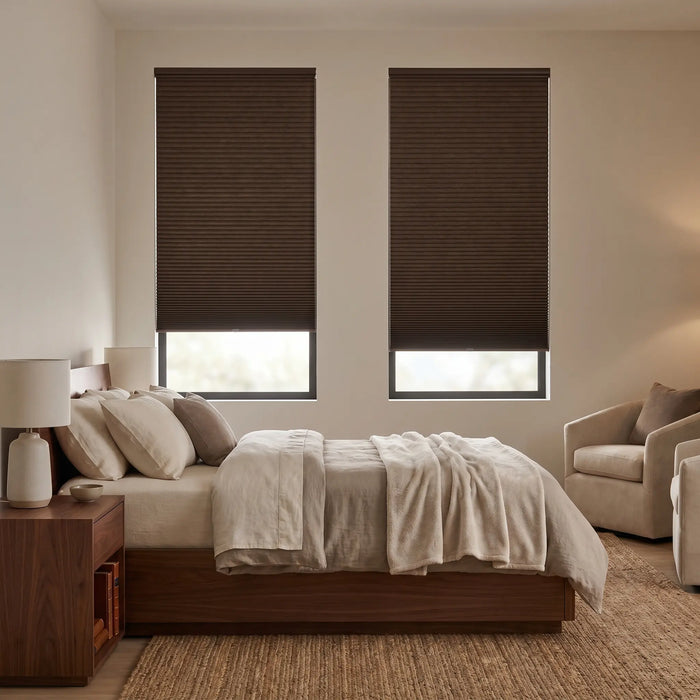
When combined with blackout cellular shades in nurseries or kids' bedrooms, motorized operation can improve both safety and routine consistency.
Room-by-Room Child Safety Priorities
Nursery and toddler rooms
Make cordless or motorized operation non-negotiable. Keep the crib, changing table, and storage furniture clear of windows to avoid accidental reach. In these rooms, blackout plus cordless operation is often the most practical combination.
Playrooms and family spaces
Children move furniture and toys frequently, so a setup that appears safe today can become risky later. Re-check reachable zones after any room layout change, especially if the space has climbable toy storage.
Shared bedrooms
Older siblings can unintentionally introduce risk by moving chairs and decor. A child-safe setup should work even when furniture shifts over time, which is another reason cordless shades are preferred over corded workarounds.
Kitchens and mixed-use areas
If children regularly use the space, apply the same cord-free rule as bedrooms. Moisture and cooking residue also make easy-clean fabric choices more valuable in these rooms.
Safety Checklist for Parents
Use this quick checklist before finalizing any blinds and shades selection:
- Is operation fully cordless in child-accessible rooms?
- Are any cords, loops, or chains reachable from furniture?
- Is the installation secure and level, with no loose hardware?
- Does the room need blackout, light filtering, or both?
- Have you reviewed current manufacturer and CPSC safety guidance?
If you are shopping for safer options, compare cellular shades by operation type first, then choose fabric and light-control style. If you are upgrading older corded units and want to know what is worth fixing first, cellular shade repair covers what hardware can be replaced before you replace the whole shade.
Bottom Line
Cellular shades can absolutely be child-safe when they are cordless or motorized. Corded window coverings carry known risk, and the safest approach is to eliminate accessible cords rather than depend on workarounds.
For rooms children use every day, choose cord-free operation first and treat it as a non-negotiable part of the specification.
Frequently Asked Questions
How do cordless and motorized cellular shades reduce child strangulation risk?
Cordless and motorized cellular shades remove exposed cords and loops that create strangulation hazards, eliminating the main risk point for young children. Motorized systems also remove manual cord handling and are useful for hard-to-reach windows.
What immediate steps should I take if my current cellular shades have cords?
Shorten and secure accessible cord length, install cord cleats or tension devices, remove climbable furniture from near cords, and supervise use until a safer replacement is installed. For guidance on installation and retrofits, see our How to Install page.
Are retrofit safety devices a safe long-term solution for corded shades in children's rooms?
Retrofit safety devices can reduce risk as an interim measure, but they do not fully remove the hazard the way a truly cordless or motorized system does. For rooms used daily by little ones, the article recommends replacing corded units with cordless or motorized shades for a cleaner long-term solution.
Which rooms should prioritize cordless or motorized cellular shades and what else should I check?
Nurseries, toddler rooms, and any child-accessible playrooms or shared bedrooms should prioritize cordless or motorized operation, and keep cribs, changing tables, and climbable furniture away from windows. Also verify whether you need blackout or light-filtering fabrics and order free samples of materials to choose the best option: free samples.