All blind colors provide the same level of light control since the slats block light equally. Shades vary in light filtering based on material type, so consider your privacy and light control needs when choosing colors.
Types of Colored Window Blinds
Natural Wood Tones
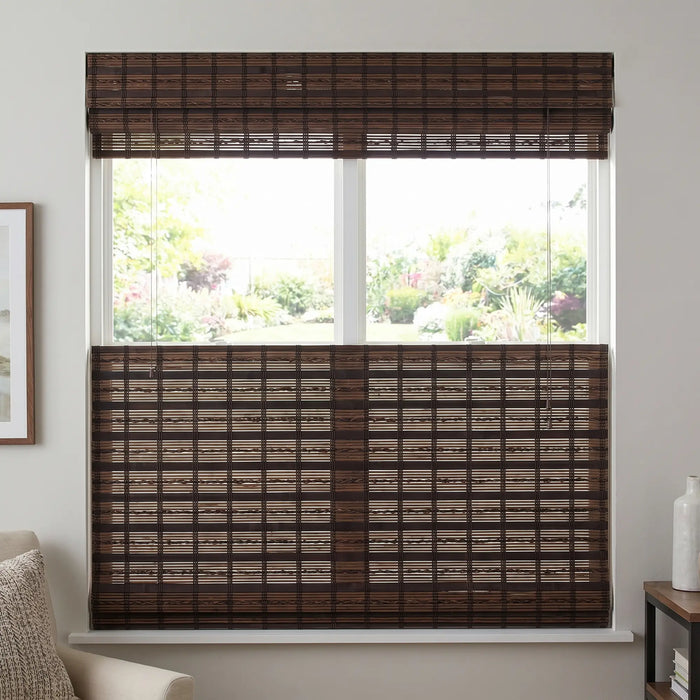
Wood blinds feature natural grain finishes in various tones from light honey colors to dark rich wood finishes. These colored window blinds work well in spaces that emphasize natural materials and warm tones. The wood grain adds visual interest that complements furniture and décor pieces.
Painted Wood Colors
Faux wood blinds come in painted colors including white, grey, and black. These moisture-resistant materials hold their color well in high-humidity areas like bathrooms and kitchens. The painted finish provides a clean, modern look that suits contemporary and minimalist spaces.
Metal Finishes
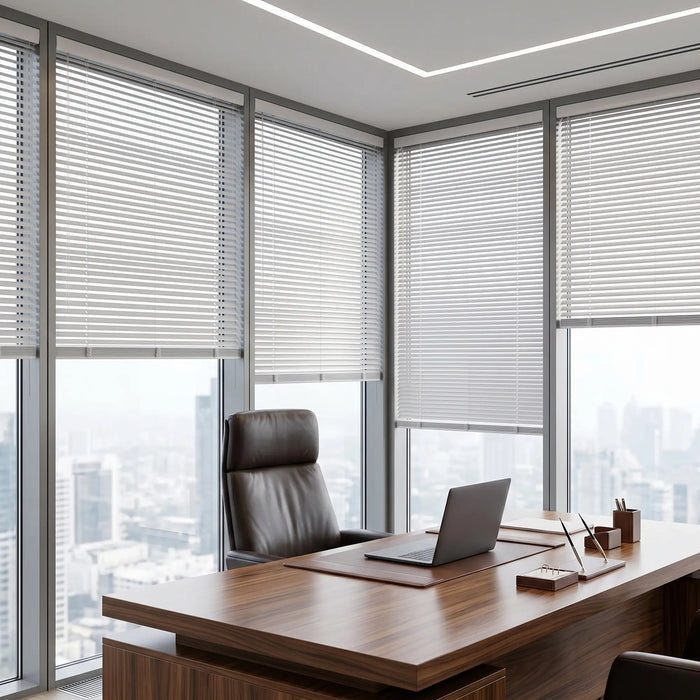
Metal blinds offer various metallic finishes with matte or glossy sheen options. Available in colors like white, silver, champagne, and black, these blinds add a metallic element to industrial-chic or modern interiors. The durable aluminum slats resist fading and maintain their appearance over time.
Types of Colored Window Shades
Roller Shades Colors
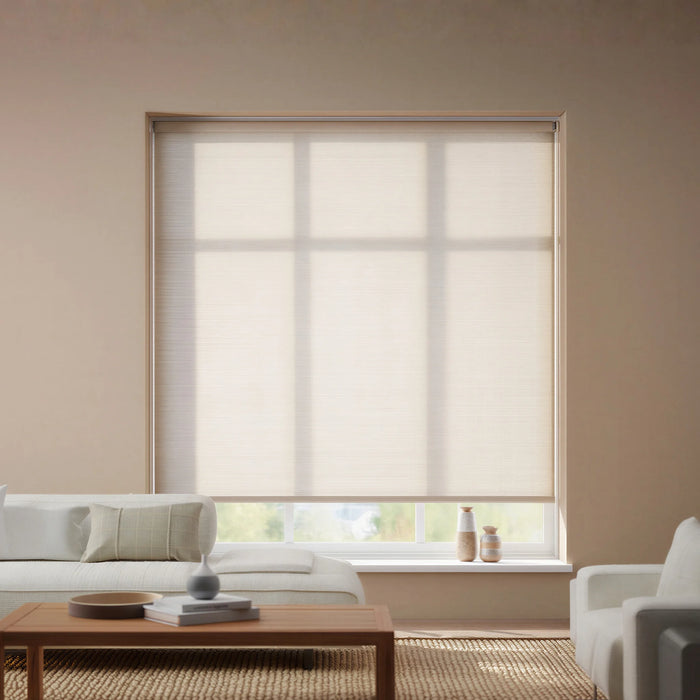
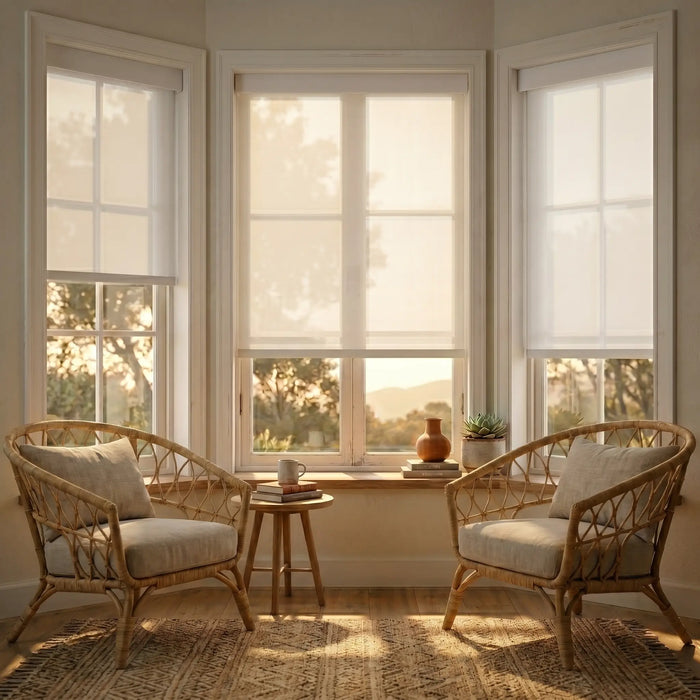
Roller shades come in solid colors ranging from neutral tones to bright vibrant hues. You can choose from light filtering materials or blackout options for complete light control. Roller window shades also offer patterns to add visual interest.
Roman Shades Colors
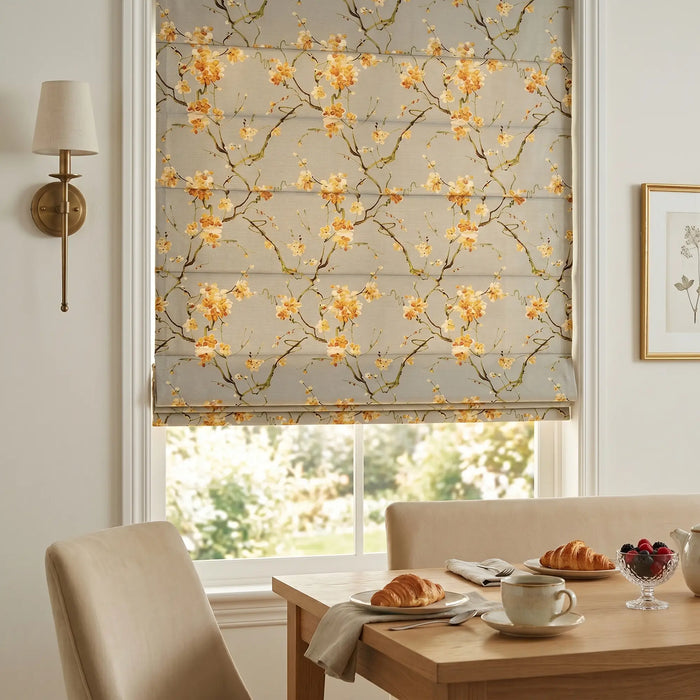
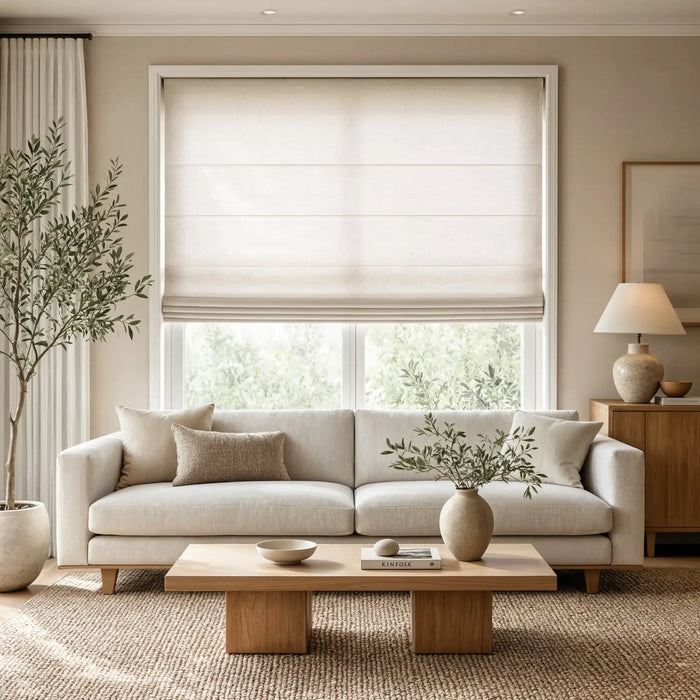
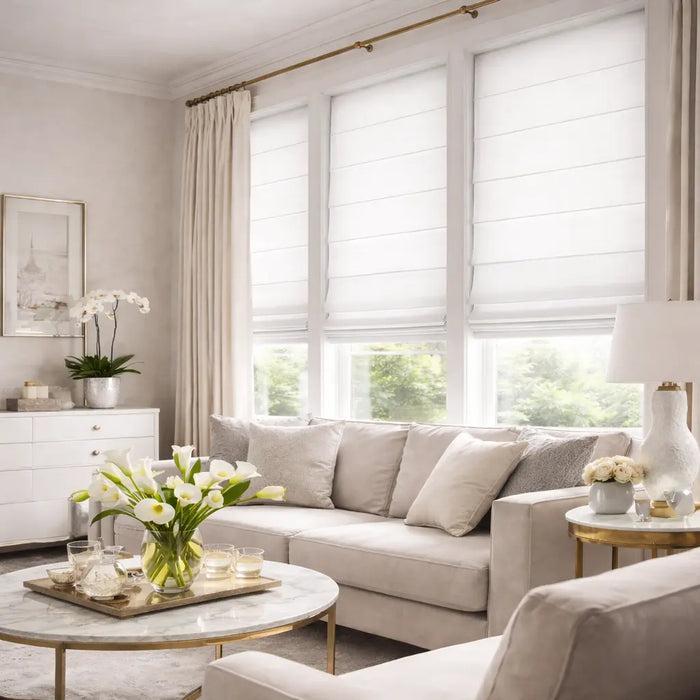
Roman window shades provide extensive fabric color options including solids, patterns, and designer collections. The wide variety of materials means you can find colors that match or complement your existing décor. Lining options allow you to control privacy and light filtering.
Cellular Shades Colors
Cellular shades come in a neutral color spectrum with some warm and cool tones that include subtle color accents. Light filtering cellular window shades and blackout materials are available in various neutral colors that blend seamlessly with most décor styles.
Woven Wood Shades Colors
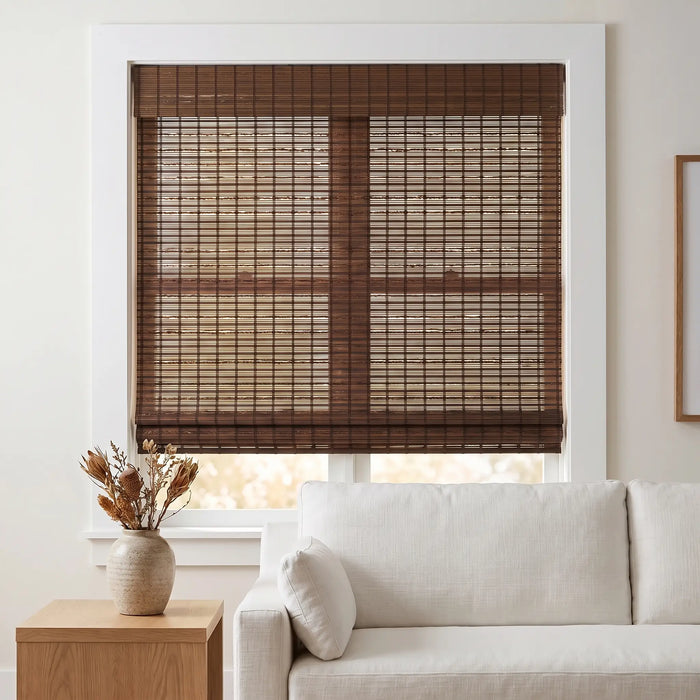
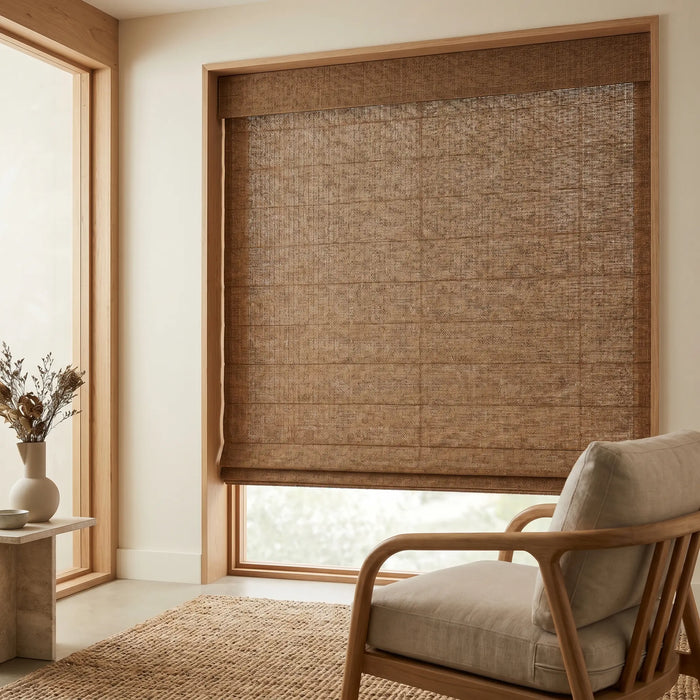
Woven wood window shades feature natural fiber colors from warm honey tones to cool sun-bleached grays. Made from materials like bamboo, grasses, and reeds, each shade offers organic color variations that add natural character to your space.
Zebra Shades Colors
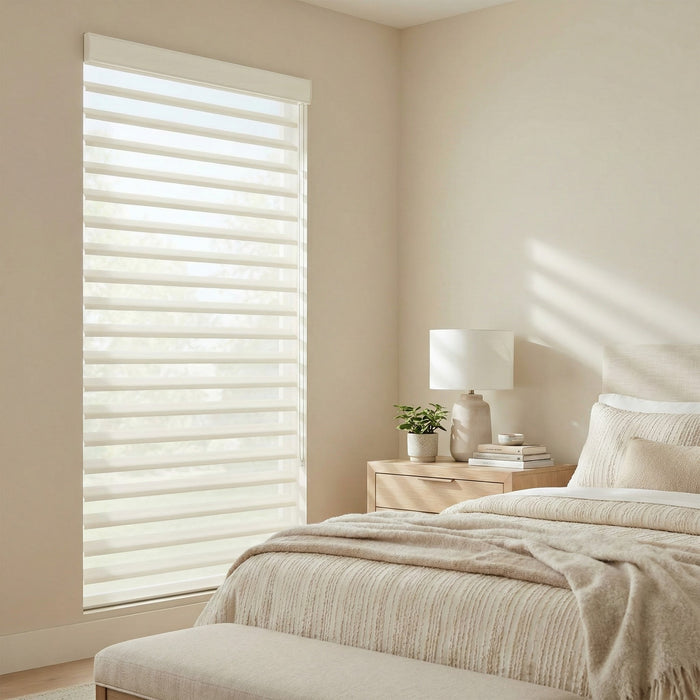
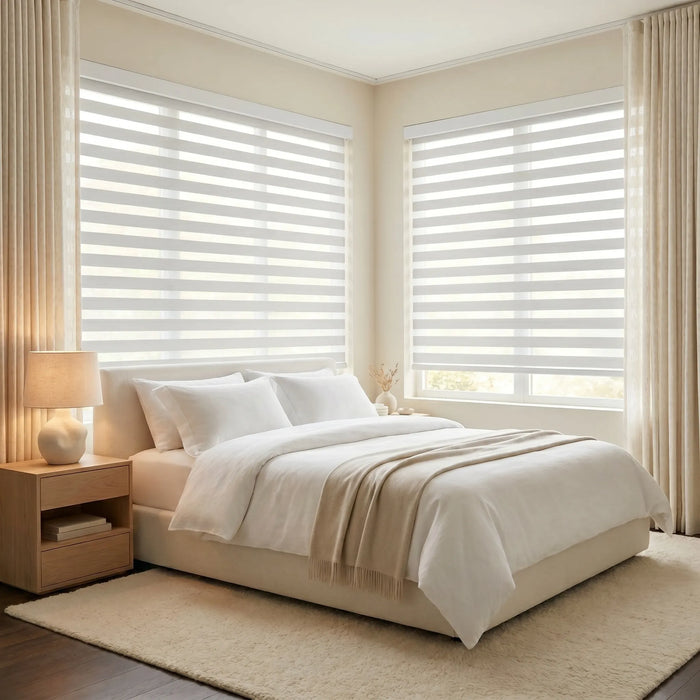
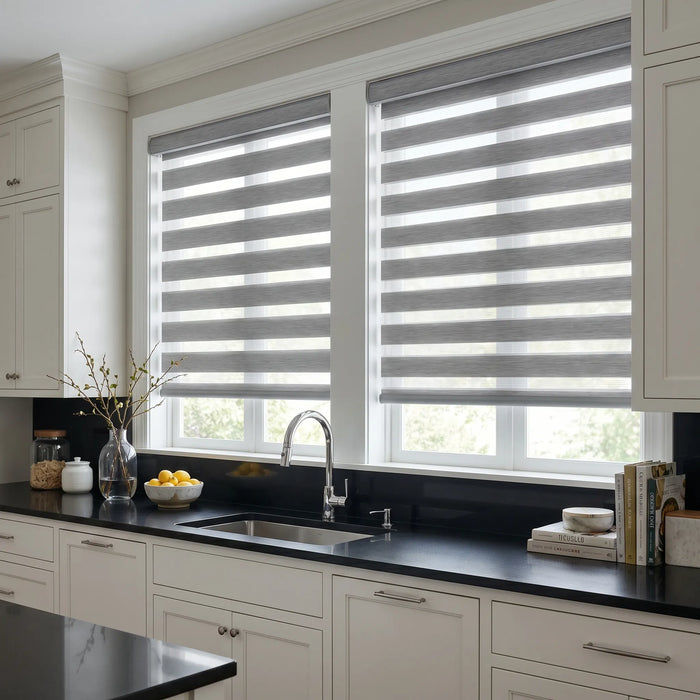
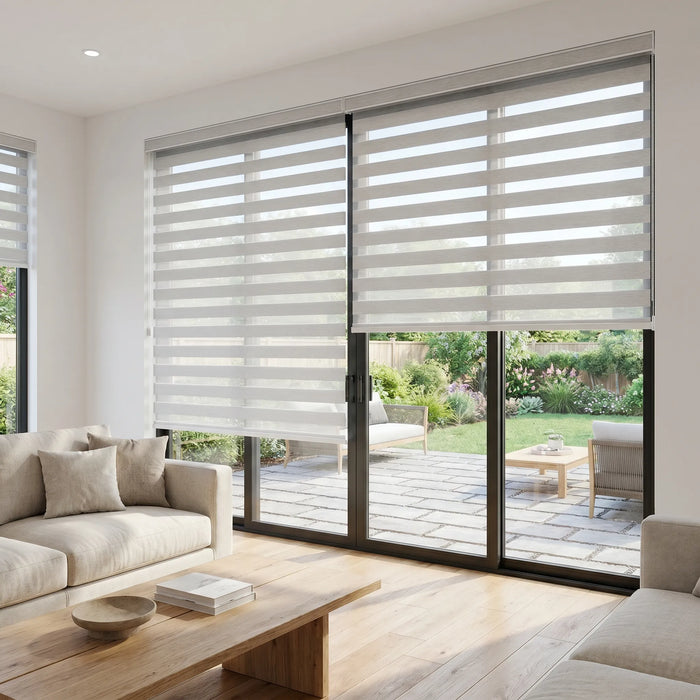
Zebra shades feature alternating bands of sheer and opaque material in neutral tones ranging from white to beige and grey to black. This design allows you to control light and privacy by adjusting the alignment of the bands.
Factors to Consider When Selecting Colors
Room Size and Lighting
Large bright rooms often work well with darker, richer colors that add depth and contrast. Darker spaces benefit from lighter colors that brighten the room and make it feel more spacious. Consider how natural light affects color appearance throughout the day when making your selection.
Existing Color Scheme
Choose colors that complement your existing interior color scheme. You can introduce a new accent color for pleasing contrast or select a color from your existing palette for harmonious blending. Matching your wall color creates a seamless look, while contrasting colors create visual interest.
Light and Privacy Control
All blind colors provide the same level of light and privacy control since the sturdy slats block light equally regardless of color. Shades vary in light filtering based on material type. Blackout options are available in various colors for both blinds and shades.
Material Durability
Wood and faux wood blinds may experience some color fading over time from sun exposure, especially in bright south-facing windows. Synthetic materials like those used in roller shades and solar shades are more durable and fade-resistant. Natural fabrics for Roman shades may need lining to protect from sun damage.
How to Choose the Right Color for Your Space
Start by considering your room's primary function and existing décor. Living rooms often benefit from colors that complement furniture and wall colors. Bedrooms may need blackout options in calming colors. Kitchens and bathrooms require moisture-resistant materials in colors that work with cabinetry and fixtures.
Think about whether you want your window treatment to blend in or stand out. Neutral colors provide versatility and timeless appeal, while bold colors express personal style. Consider material texture along with color for the best design result. Many blinds and shades are available in cordless options for added safety and convenience.
Color Inspiration and Design Tips
Use neutral colors for versatility and timeless appeal that works across design styles. Add accent colors for visual interest in specific rooms or areas. Match wood tones to existing furniture for a cohesive look. Use lighter colors to make rooms feel larger and brighter. Use darker colors for contrast and depth in well-lit spaces.
 Skip to content