The narrow width means standard window treatments rarely fit properly. Off-the-shelf products designed for typical widths simply won't work. You need custom solutions specifically sized for these tight spaces that can also handle the vertical span without sagging or becoming difficult to operate over time. The right window treatment combines proper sizing with functional features like cordless operation, appropriate opacity levels, and durable construction.
Why Cover These Windows
Controlling who can see into your home is the primary reason to add coverings. When someone approaches your front door, they can easily see inside. Shades give you control over visibility while letting you monitor visitors.
Light control matters when these windows face east or west, creating harsh morning or evening glare. The right treatment filters or blocks bright sunlight while maintaining some outward visibility.
Energy efficiency improves when you cover these narrow windows. Doors represent major areas of heat loss. Adding insulating shades reduces energy transfer, keeping your entryway more comfortable.
Cordless options provide safety for homes with children, eliminating dangling cords near high-traffic areas where kids play.
Best Shade Types for Sidelight Windows
Honeycomb Shades for Narrow Windows
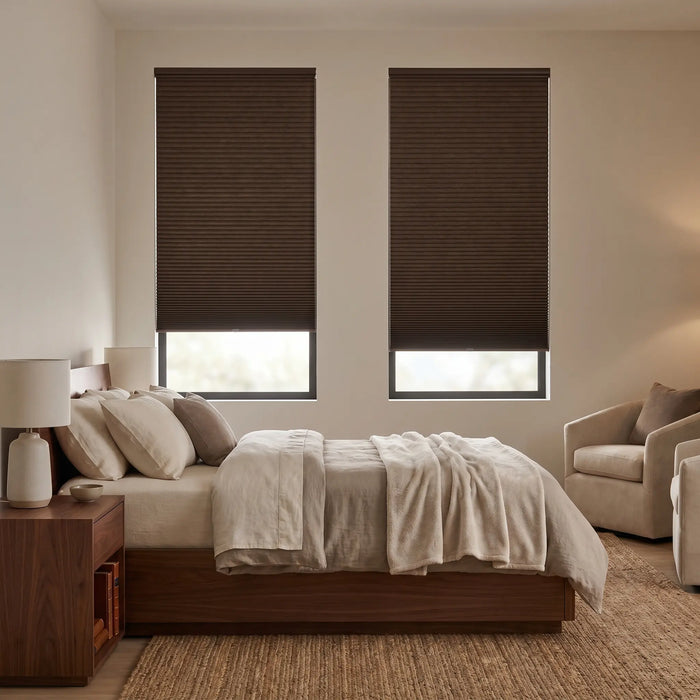
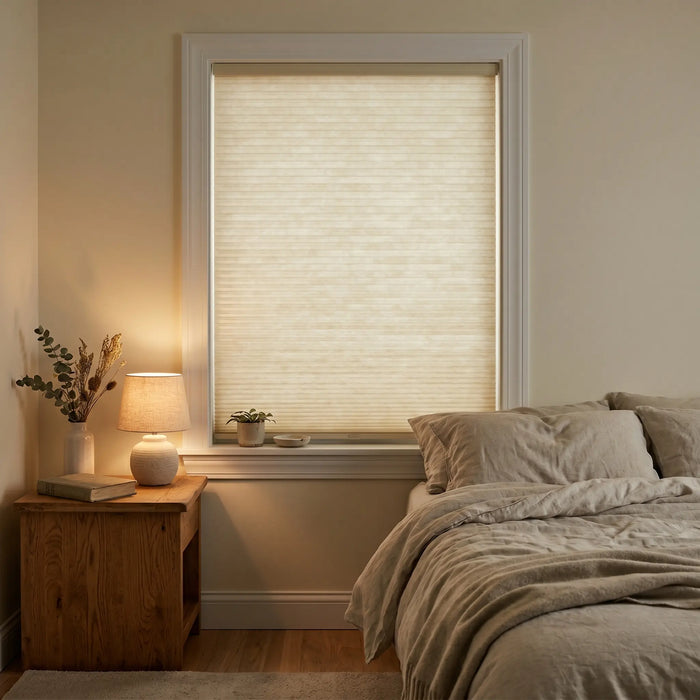
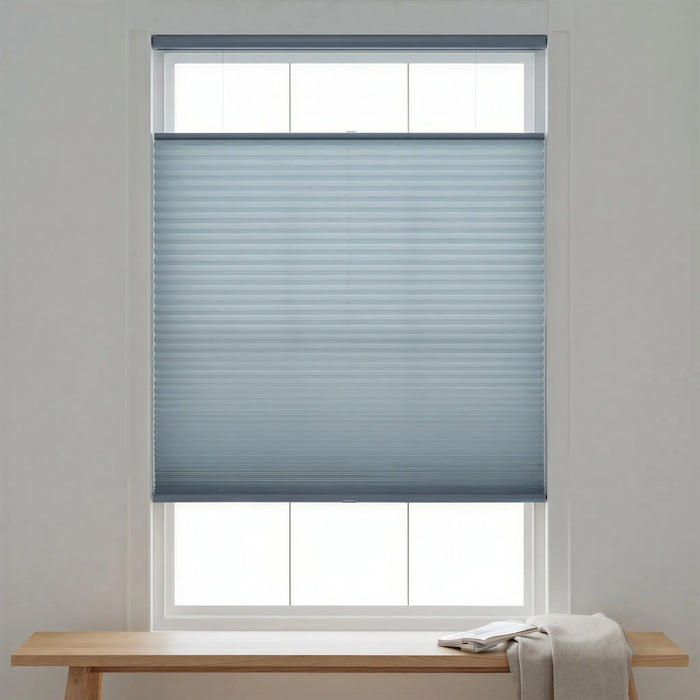
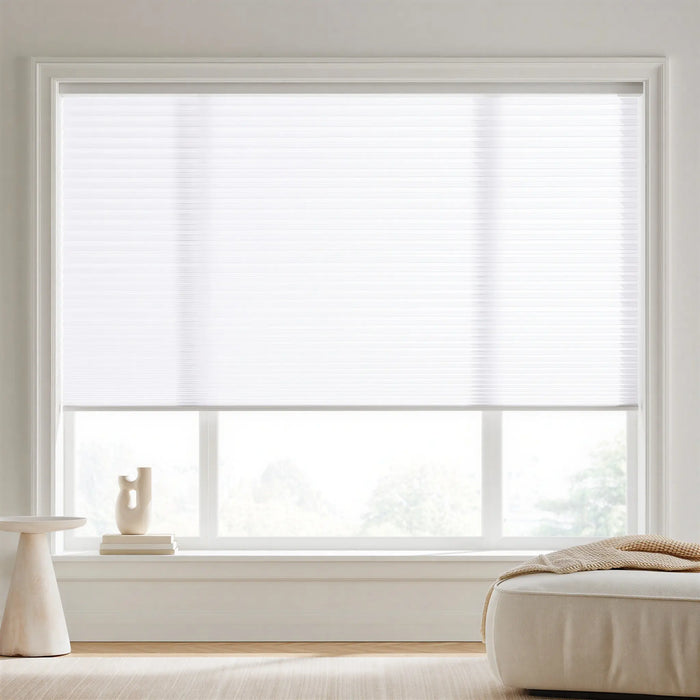
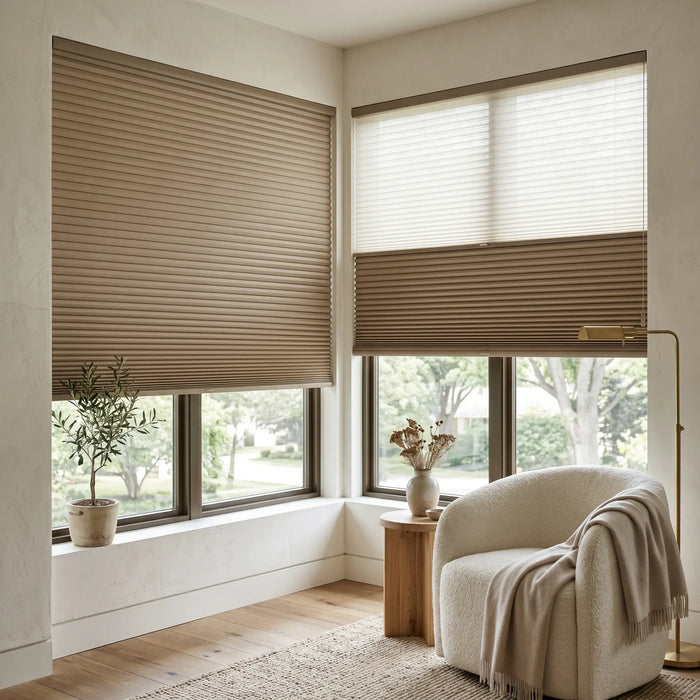
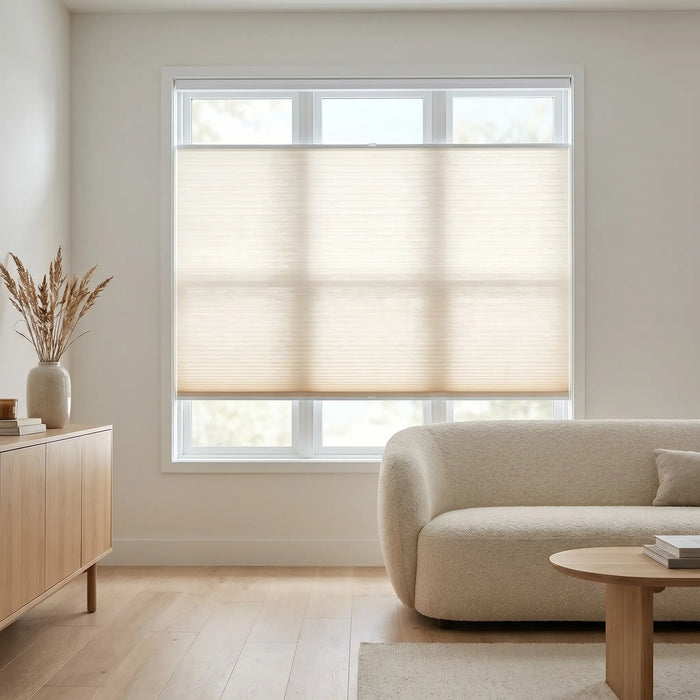
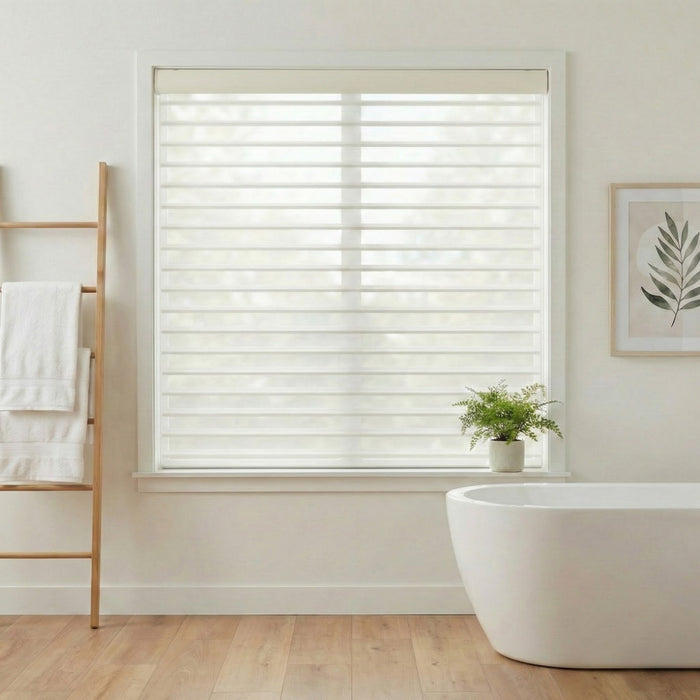
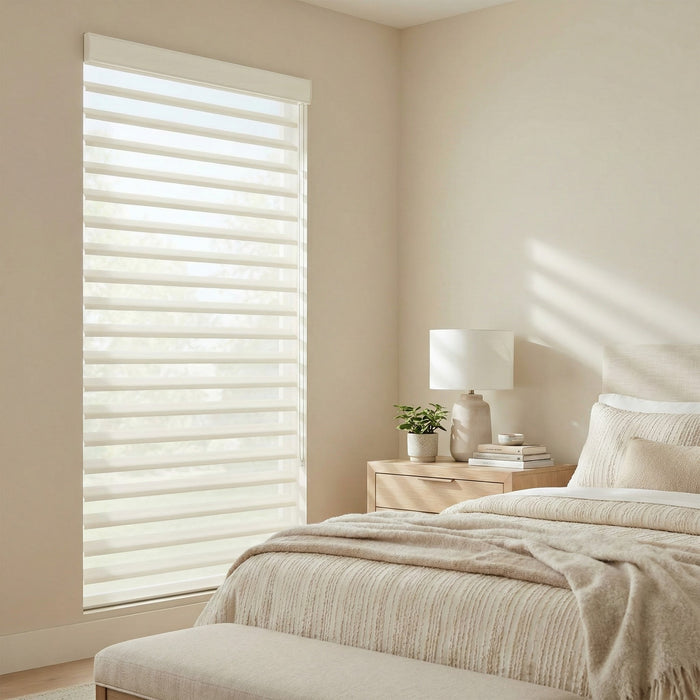
Honeycomb shades work exceptionally well for these applications. Their unique construction insulates your entryway, and their lightweight design prevents sagging on tall windows. Available in widths as small as 8 inches, these shades fit even the narrowest openings.
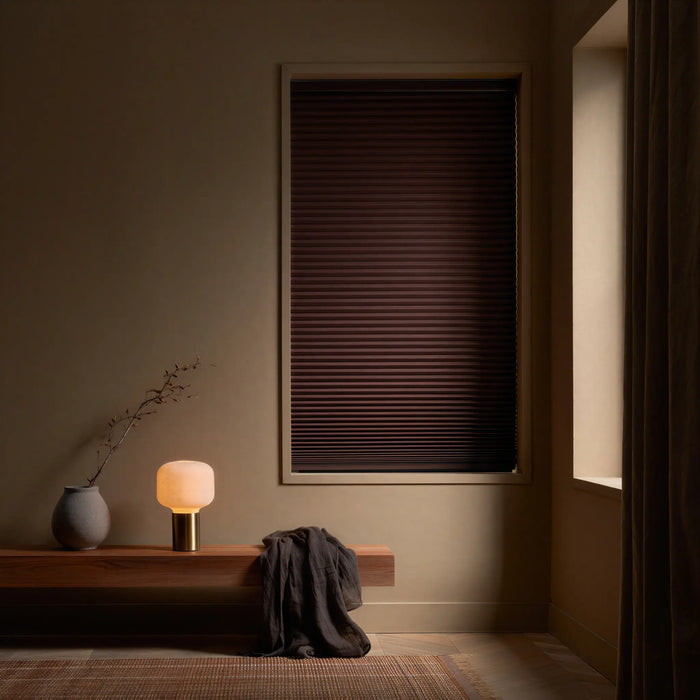
Choose single or double honeycomb construction. Light filtering options soften harsh sunlight while room darkening and blackout versions provide maximum light blocking.
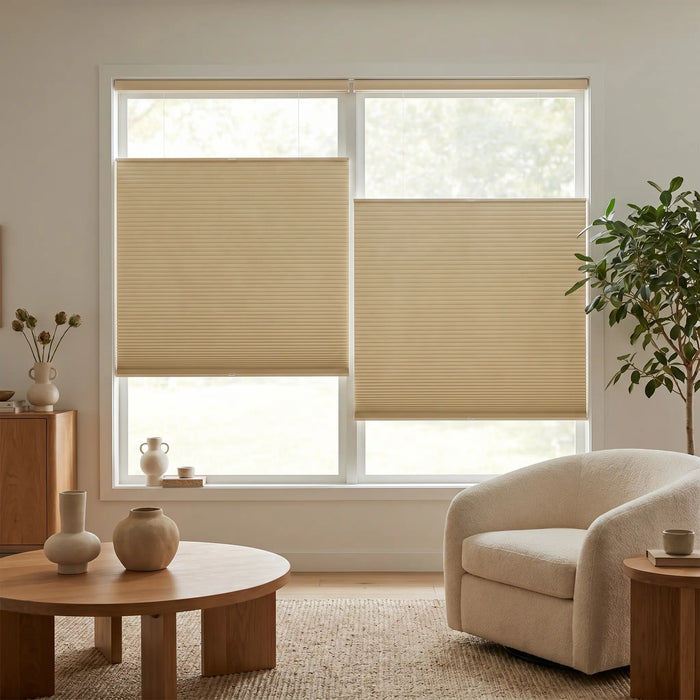
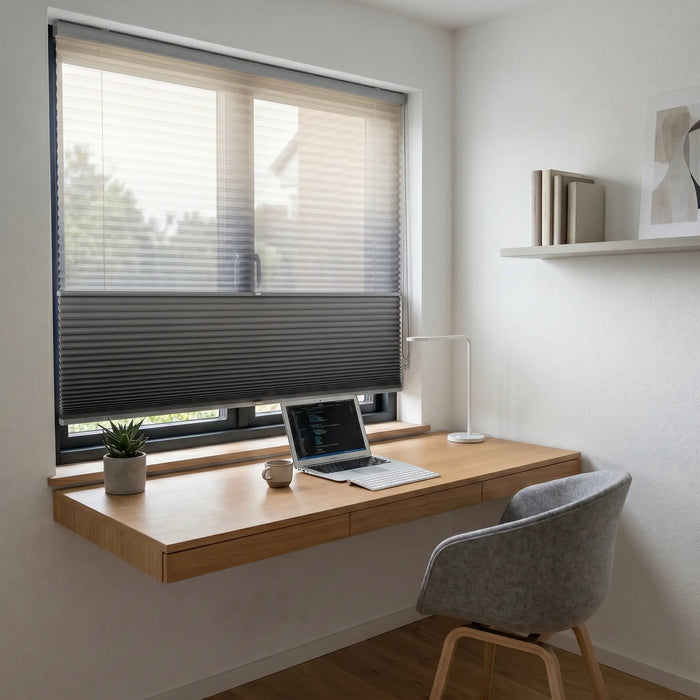
Cellular shades with cordless lift systems offer simple, safe operation. Top-down/bottom-up configurations let you lower from the top for light while maintaining coverage at eye level.
Roller Shades for Narrow Windows
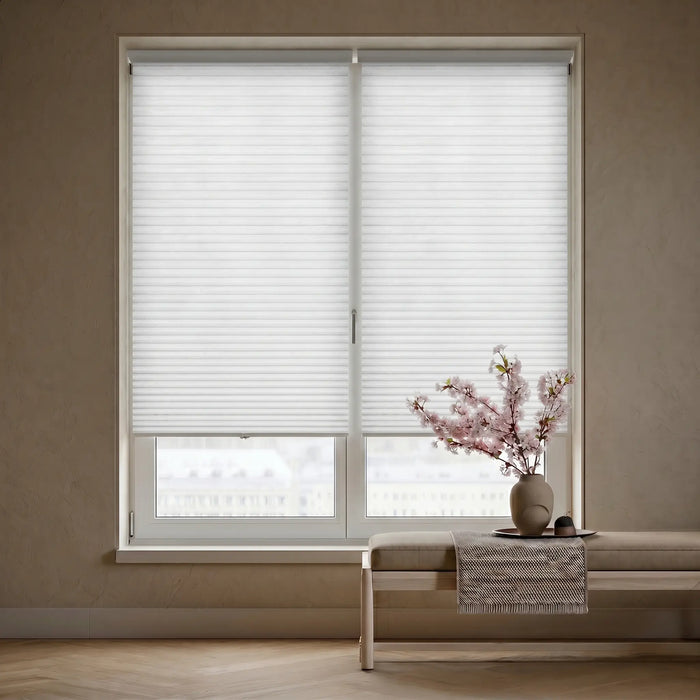
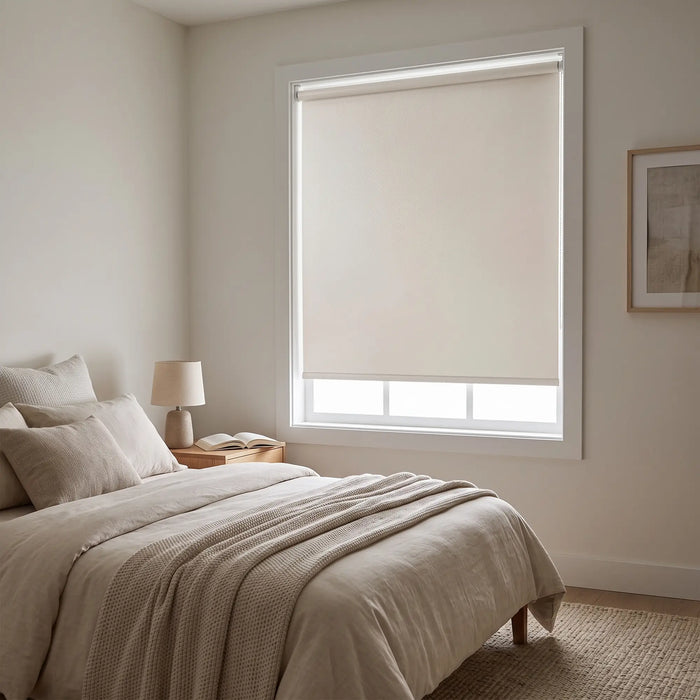
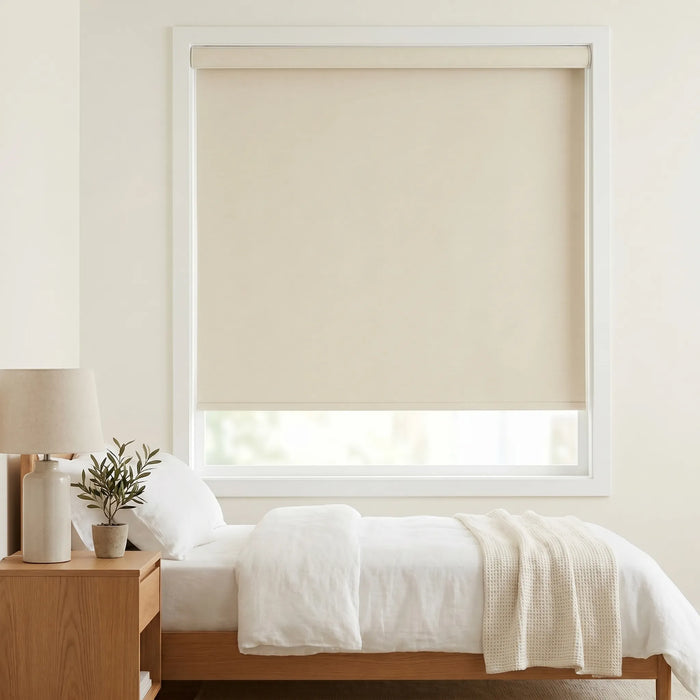
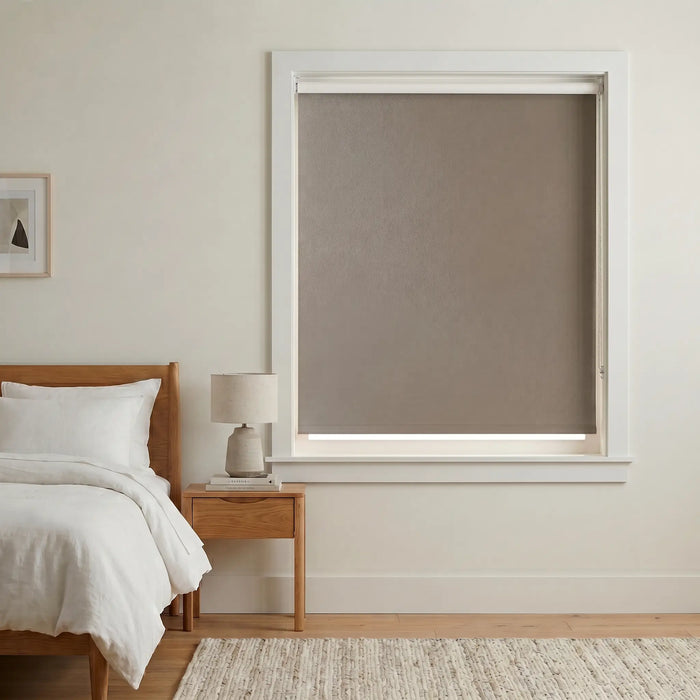
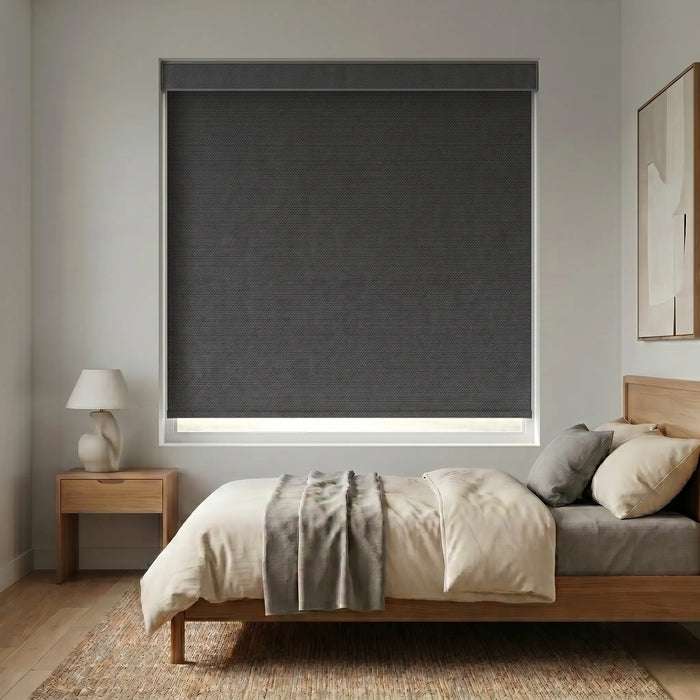
Roller shades offer a clean, streamlined appearance with minimal space requirements. Available in narrow widths, they create a low-profile stack when raised.
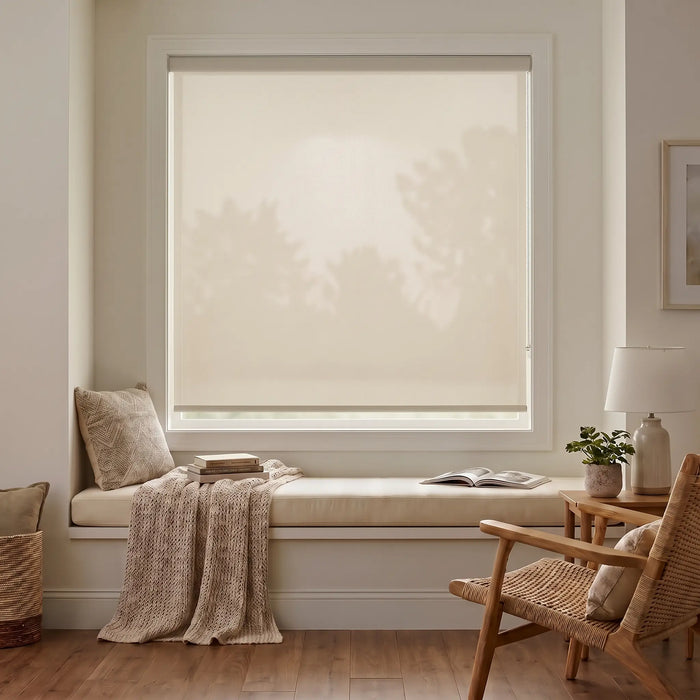
Light filtering roller shades reduce glare while blackout versions block virtually all light. Solar screen options filter UV rays while preserving your view.
Cordless or motorized operation makes these shades easy to use, with motorized systems ideal for controlling both sidelights simultaneously.
Mini Blinds for Precision Control
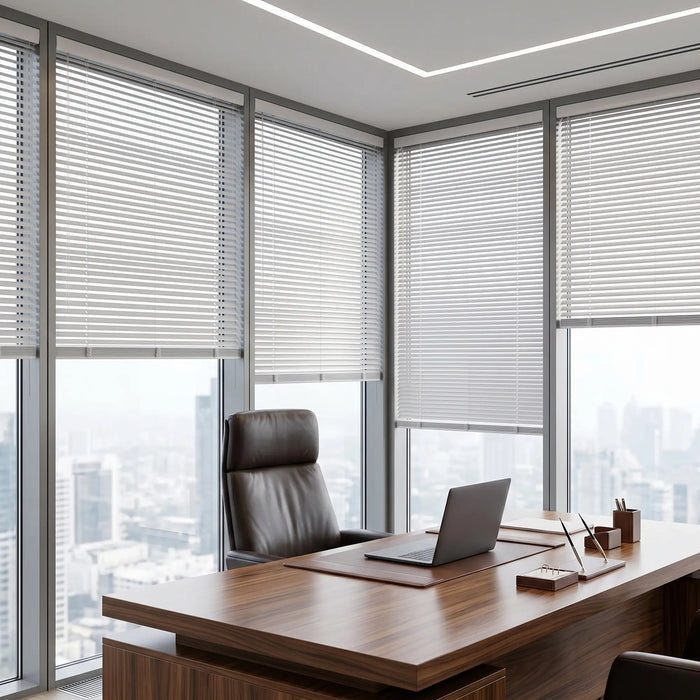
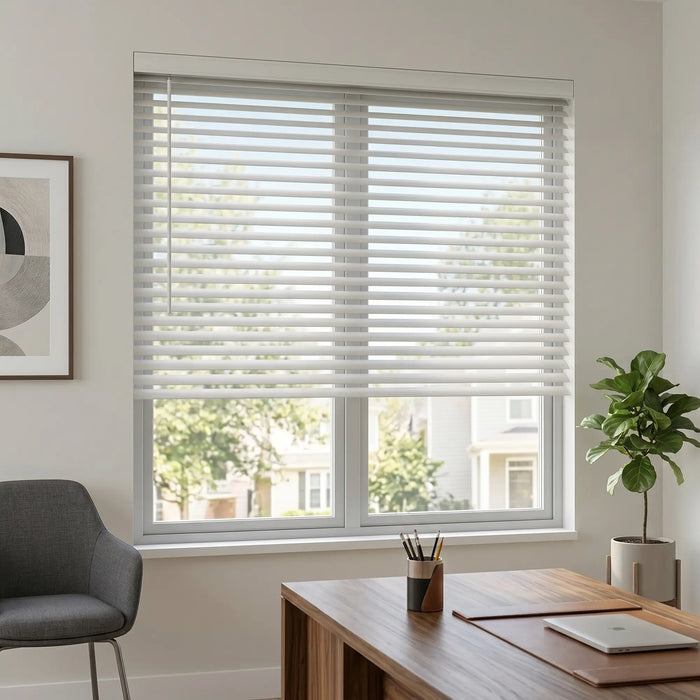
Mini blinds with 1-inch aluminum slats fit well in narrow openings. Lightweight construction prevents warping, while adjustable slats provide precise light control.
Faux Wood Blinds for Traditional Looks
Faux wood blinds coordinate well with wood doors. They resist moisture and humidity near exterior doors, with 2-inch slats fitting openings 10 inches or wider.
Pleated Shades as Budget Options
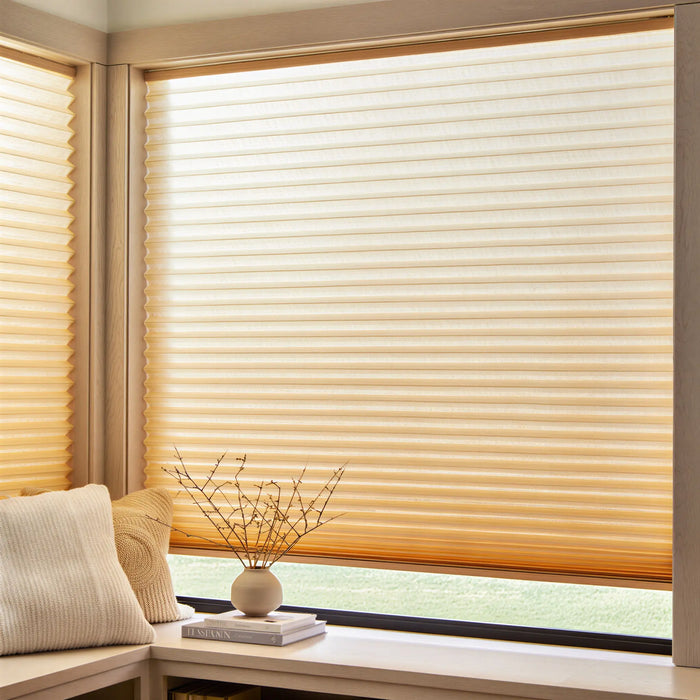
Pleated shades offer an affordable solution with clean appearance and narrow width availability. They work well for basic light filtering needs.
Vertical Blinds for Extra-Narrow Spaces
For extremely narrow sidelights, vertical blinds complement the tall shape. Vanes slide to one side, working well in limited space.
Key Features to Consider
Cordless Lift Systems
Cordless operation eliminates cord safety risks and provides a clean appearance. Simple push-pull mechanisms on the bottom rail make operation easy.
Top-Down/Bottom-Up Operation
This feature provides flexibility in light control. Lower from the top for natural light while maintaining coverage at eye level, or raise from the bottom traditionally.
Light Control Options
Light filtering fabrics soften sunlight and reduce glare. Room darkening fabrics significantly reduce light transmission. Blackout options block virtually all light.
Motorization
Motorized shades operate at a button touch, ideal for tall windows or controlling multiple window treatments simultaneously.
Measuring Your Windows
For inside mount, measure your window frame width at top, middle, and bottom. Use the narrowest measurement. Measure height from top to sill.
For outside mount, measure the area you want to cover, extending beyond the frame for better light control. Account for door handles or locks that might interfere.
Check mounting depth for inside mount. Most shades require 1.5 to 2 inches of depth. If depth is limited, choose outside mount.
Installation Considerations
Inside mount creates a clean, built-in appearance within the frame opening. It works well with adequate mounting depth.
Outside mount covers the entire window plus frame, providing better light blocking. This option works when mounting depth is limited.
Ensure treatments don't interfere with door handles, locks, or door swing. Mount higher if needed to avoid obstructions.
Coordinating with Other Windows
Choose the same product type in different sizes for a unified look. For example, use sliding glass door shades for your entryway and nearby patio doors.
Coordinate through color. Neutral whites, beiges, and grays complement most décor while allowing flexibility in product selection.
 Skip to content