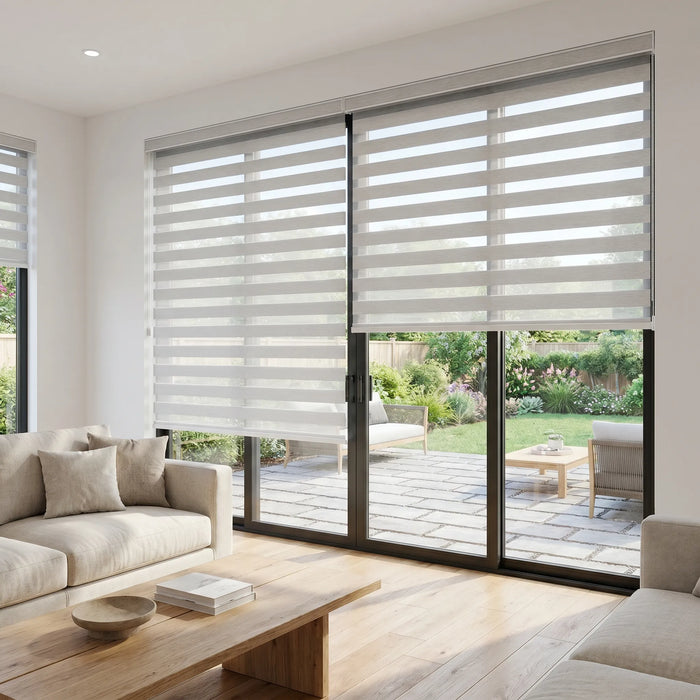
The best options are those that stack neatly to the side, roll up cleanly, or glide along a track without interfering with the door. This makes it easier to step out to your patio, deck, or backyard while still giving the room a finished look.
Whether you choose vertical cellular shades, vertical window treatments, panel track systems, or roller shades, you can find a practical solution that works with your sliding door and supports the style of your space.
Vertical Cellular Shades for Sliding Glass Doors
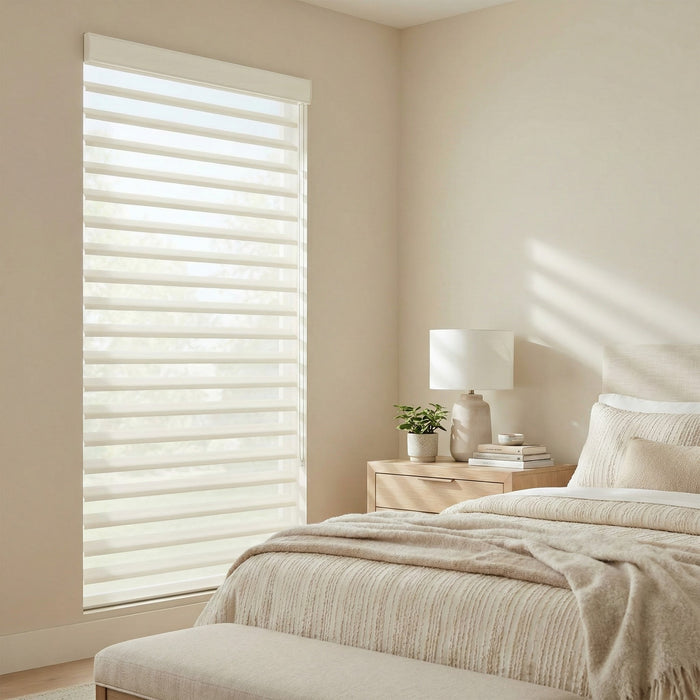
Vertical cellular shades are a strong choice for sliding glass doors if comfort and energy efficiency are priorities. Their honeycomb construction traps air in small pockets, creating an insulating layer between the glass and your room.
This design can help reduce heat transfer during both warm and cold seasons. The shades stack neatly to one side when opened, giving you a clear view and easy access to your outdoor space. Light-filtering fabrics soften harsh sunlight while helping maintain daytime privacy.
Room-darkening options are useful for bedrooms, media rooms, and other spaces where stronger light reduction is needed. The vertical orientation allows these shades to slide smoothly along a track and stack neatly when fully open.
Vertical Window Treatments for Sliding Glass Doors
Vertical window treatments offer a clean, contemporary look for wide glass openings. They are designed to rotate for light and privacy control, then stack to the side when you want the doorway clear.
Made with flat vertical panels or vanes, these treatments are easy to operate and available in different colors, textures, and materials. Their vertical shape follows the natural lines of the door, creating a balanced and streamlined appearance.
Cordless wand controls and motorized options make operation simple while removing loose cords from the room. Vinyl can be a practical choice for doors that open to humid areas, while fabric styles add a softer decorative finish.
These treatments also have minimal stackback, helping you preserve more of your outdoor view when the door covering is open.
Panel Track Shades for Sliding Glass Doors
Panel track shades are another popular option for wide patio doors. They use large fabric panels that glide along a track and stack behind one another when opened.
This style works especially well in modern interiors because it creates a clean, architectural look without heavy visual clutter. Panel track systems are also useful for extra-wide sliding glass doors where smaller window treatments may not provide enough coverage.
You can choose materials that softly filter light, reduce glare, or provide more privacy depending on how the room is used.
Roller Shades for Sliding Glass Doors
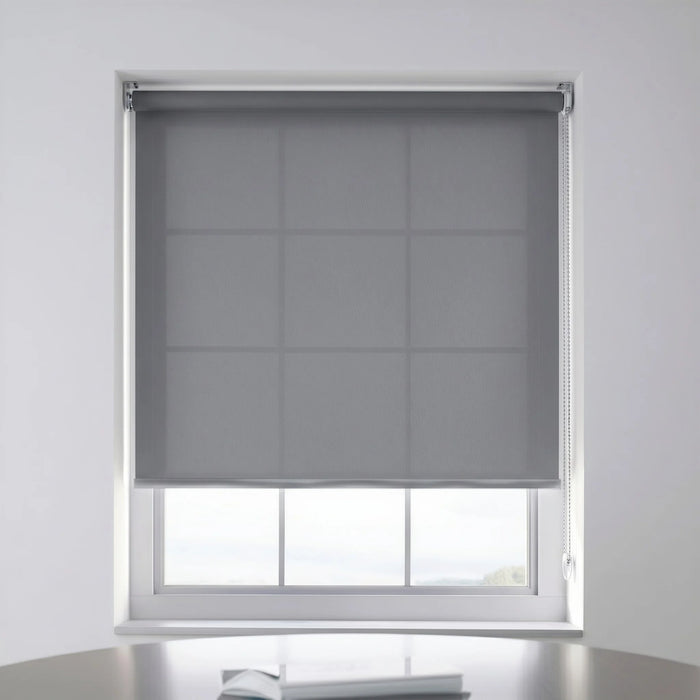
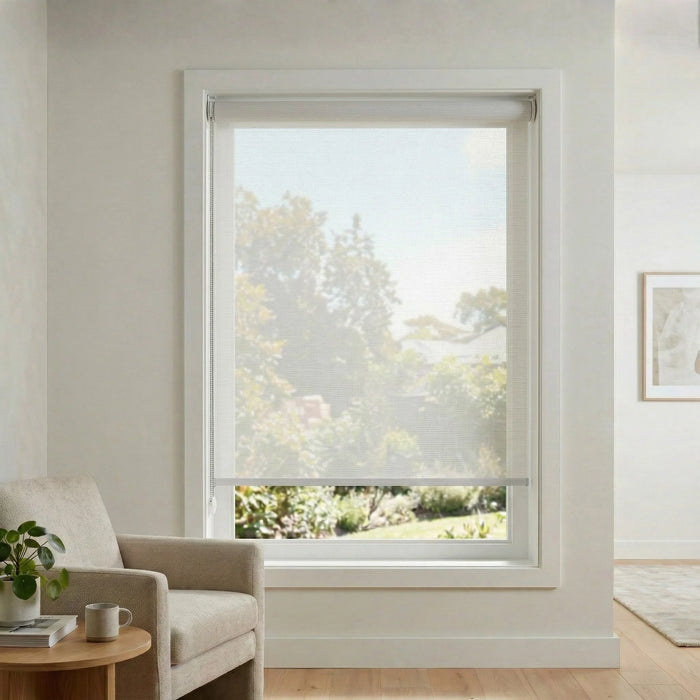
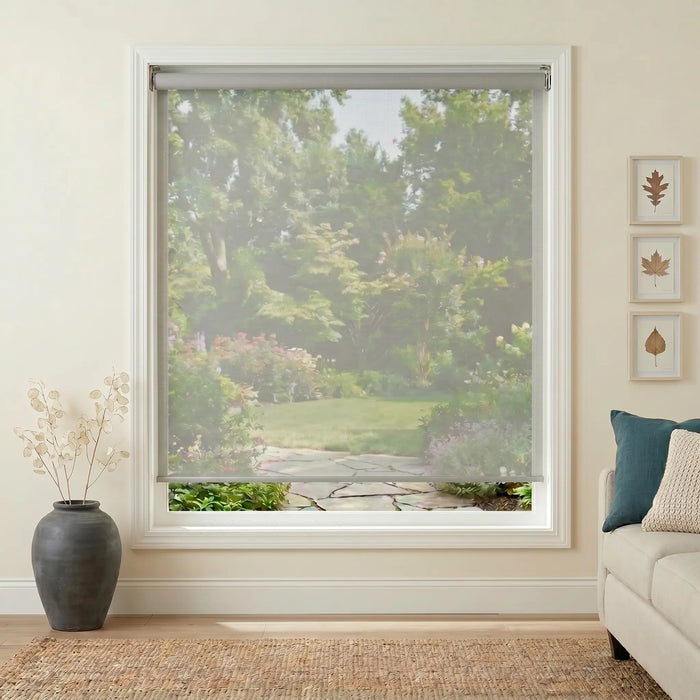
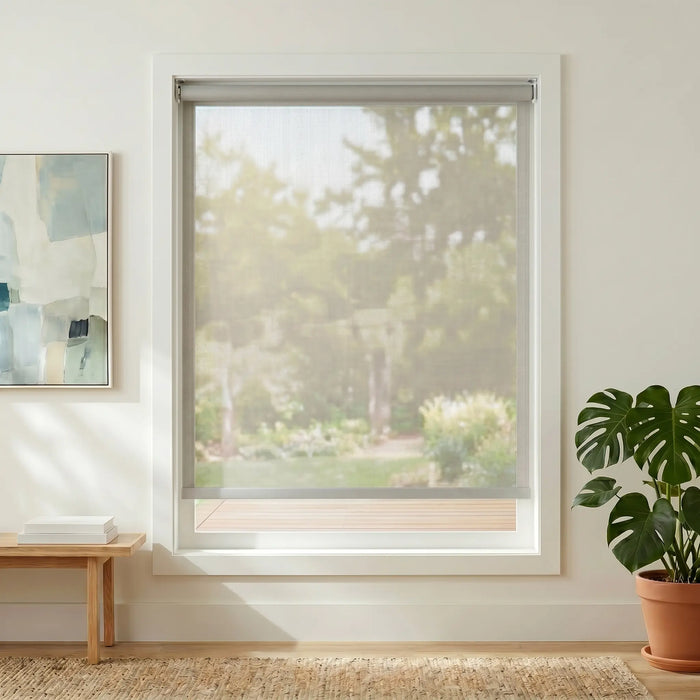
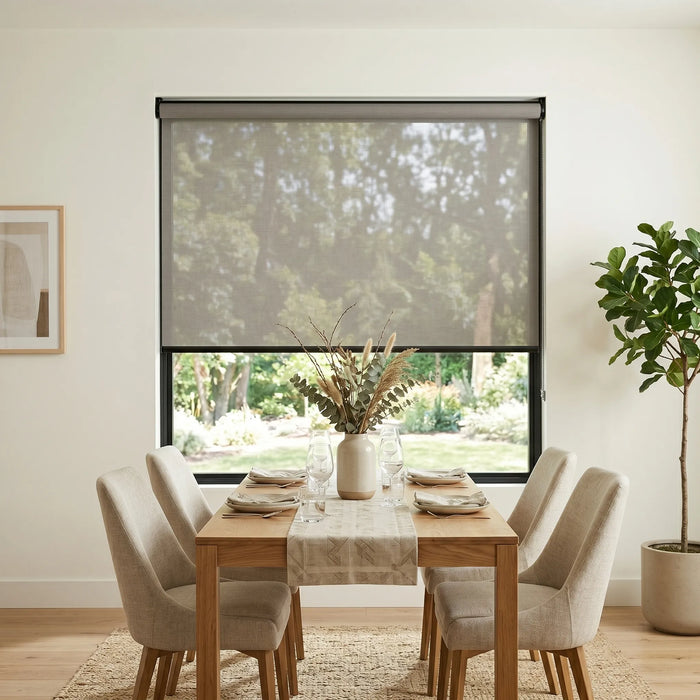
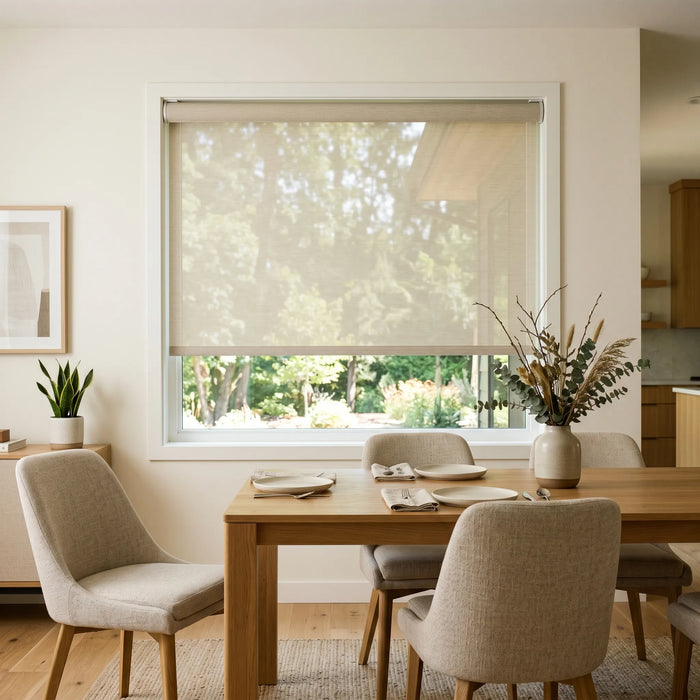
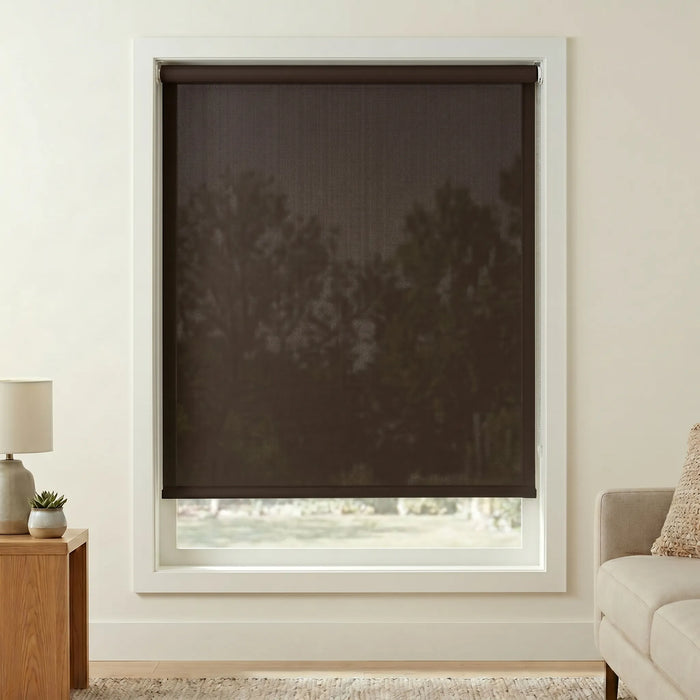
Roller shades are a simple and minimal option for sliding glass doors. They roll up neatly when open, making them a good choice if you want a clean look and easy operation.
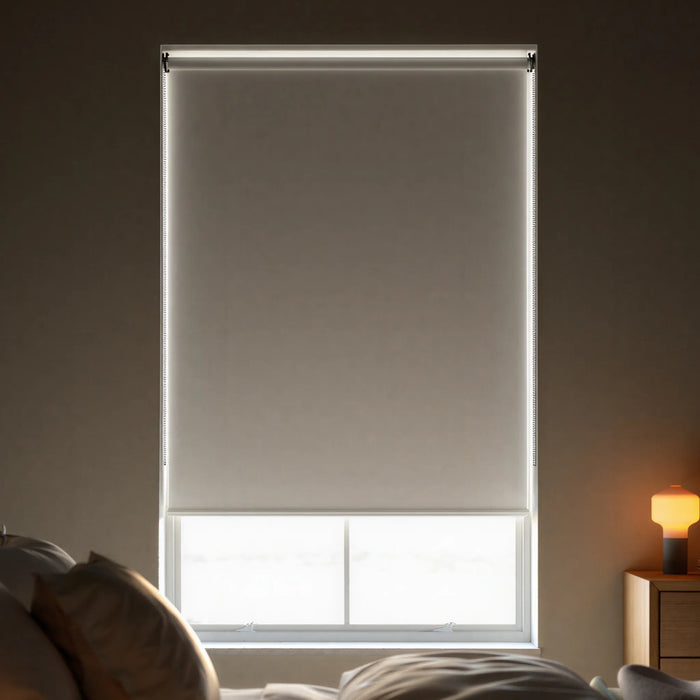
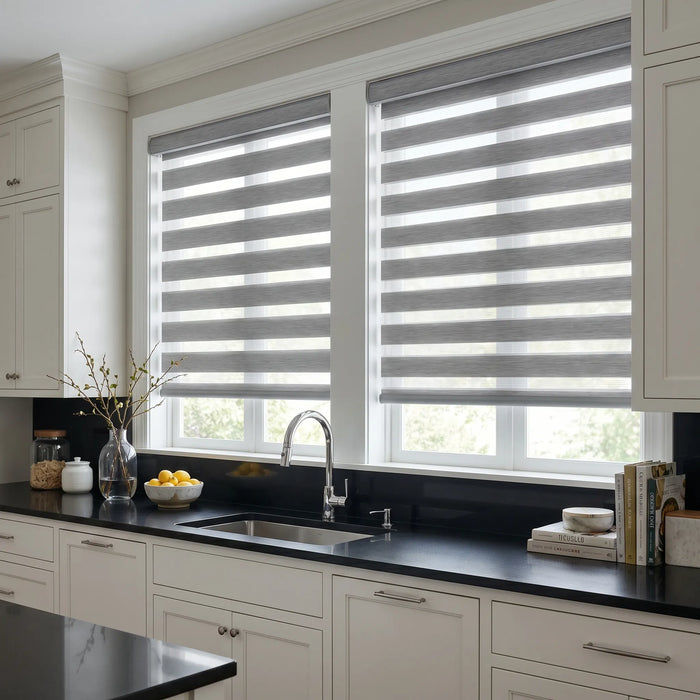
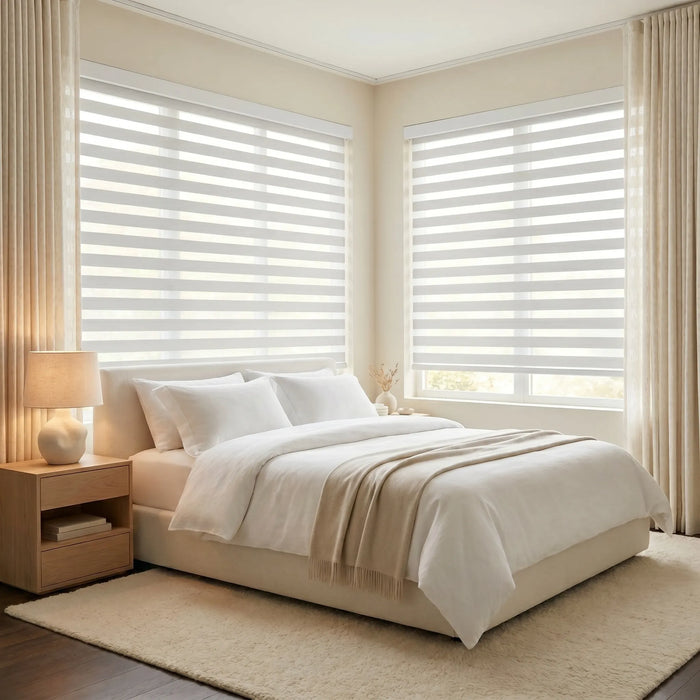
Different fabric opacities allow you to decide how much light enters the room. Light-filtering fabrics keep the space bright while reducing glare, while room-darkening fabrics are better suited for rooms where privacy and stronger light control are important.
For larger sliding doors, motorized roller shades can make daily use more convenient, especially if the treatment is wide or difficult to reach.
Light Control and Energy Efficiency
Sliding glass doors bring in natural light, but they can also create glare, heat gain, and privacy concerns. The right Sliding Glass Doors Shades help balance these needs without making the room feel closed off.
Cellular shades are especially effective for insulation because their honeycomb structure helps trap air near the glass. Fabric-based treatments can also reduce direct sunlight during peak hours, helping rooms feel cooler in summer and more comfortable in winter.
Using shades throughout the day can also help protect furniture, flooring, and décor from harsh sunlight while making the room more comfortable for relaxing, working, or watching TV.
Measuring and Installation
Accurate measurements are important for sliding glass door shades. For inside mount treatments, measure the width at the top, middle, and bottom of the frame opening, then use the narrowest measurement.
Measure the height on the left, center, and right, then use the longest measurement. Our factory makes deductions for proper fit, so do not subtract anything from your measurements.
For outside mount treatments, measure the full area you want to cover. Extending the treatment a few inches beyond the frame on each side can improve coverage, privacy, and light control.
Most installations can be completed with basic tools such as a drill, screwdriver, tape measure, and level. Our products include mounting hardware and detailed instructions.
Motorized Sliding Glass Doors Shades
Large window treatments for sliding glass doors can be heavy or inconvenient to adjust by hand. Motorized options make daily use easier, especially for wide doors or hard-to-reach areas.
Battery-powered systems do not require electrical work and can last for months between charges. Many options can be controlled with a remote, smartphone app, or smart home system.
Motorized window treatments also remove dangling cords, making them a safer choice for homes with children or pets.
 Skip to content