 Skip to content


Large Window Shades & Blinds
-
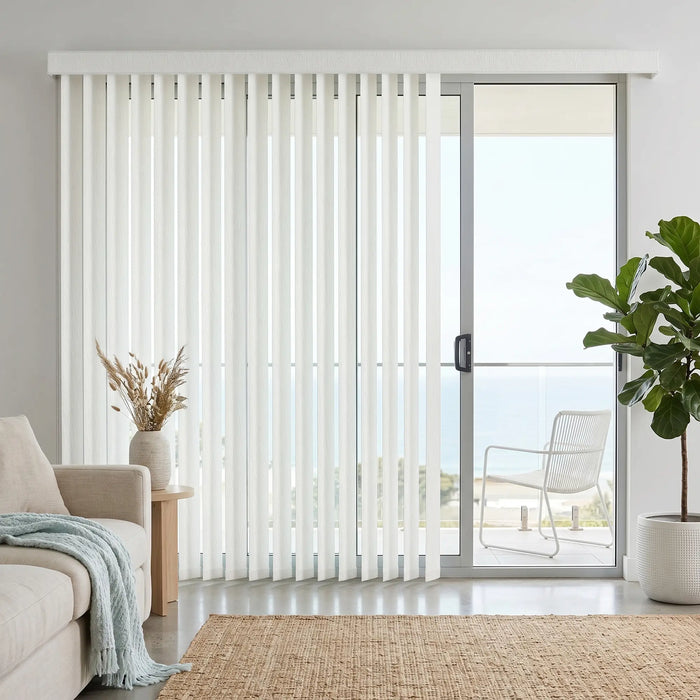 12 colors available(6)
- Unique S-Shape Look
- Great curtain alternative
Free Shipping -
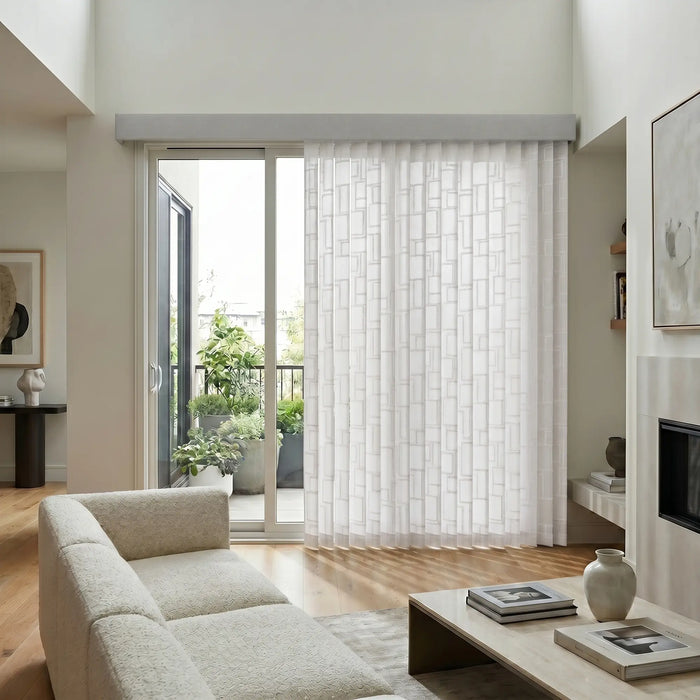 16 colors available(2)
$247.99
- 3 1/2" Fabric Vanes
- Best curtain alternative
Free Shipping -
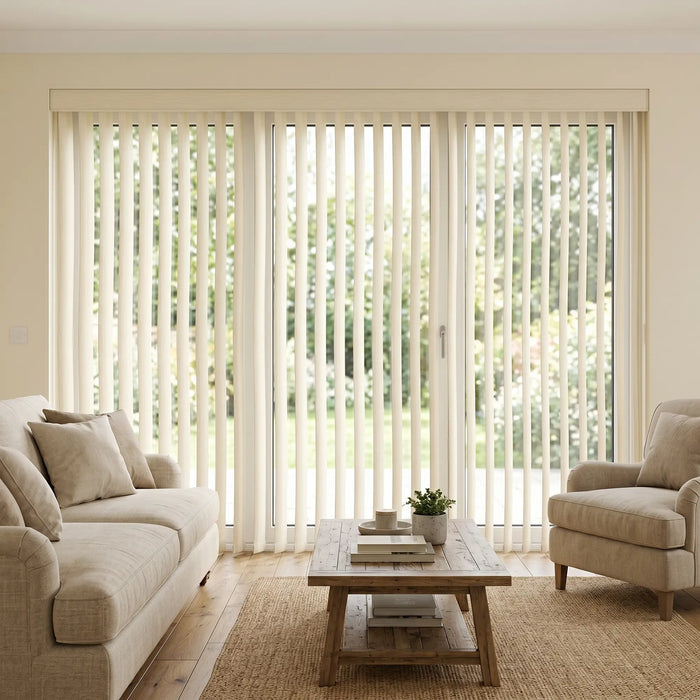 6 colors available(15)
- Smooth Wood-Look
- Matching venetian blinds available
Free Shipping -
SALE
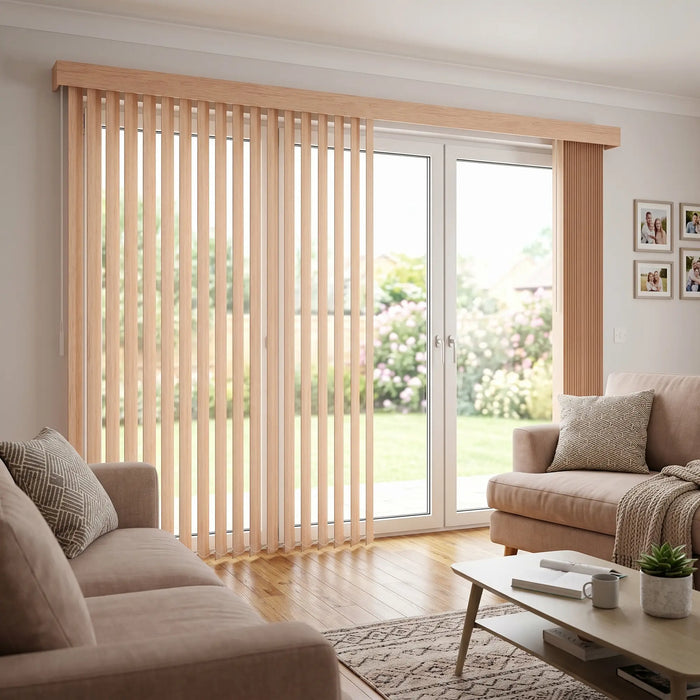 10 colors available(19)
$185.99 SAVE 25%
$137.99
- Textured Wood-Look
- Matching venetian blinds available
Free Shipping -
 35 colors available
$189.99
- Widest range of colors & textures
- Neutrals, whites and colors
Free Shipping -
 22 colors available(14)
$140.99
- Tactile textured PVC
- Contemporary and classic styles
Free Shipping -
SALE
 11 colors available⭐ Most Popular(82)
$199.99 SAVE 47%
$104.99
- Budget friendly
- 3 1/2" PVC Vanes
Free Shipping

What Are Large Window Blinds?
Large window blinds are window treatments designed to cover expansive glass areas wider than 72 inches or taller than 84 inches. These large windows flood your home with natural light but present challenges like heat loss, glare control, and privacy management.
Best Blinds for Large Windows
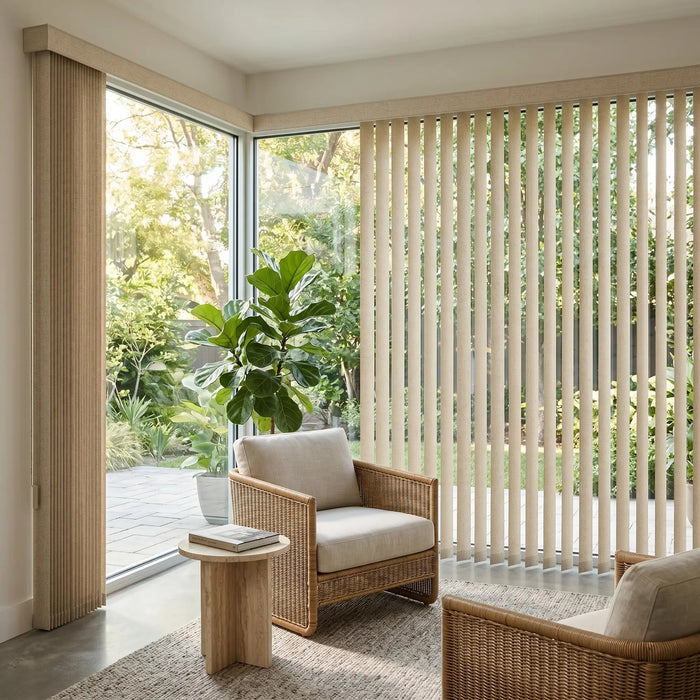
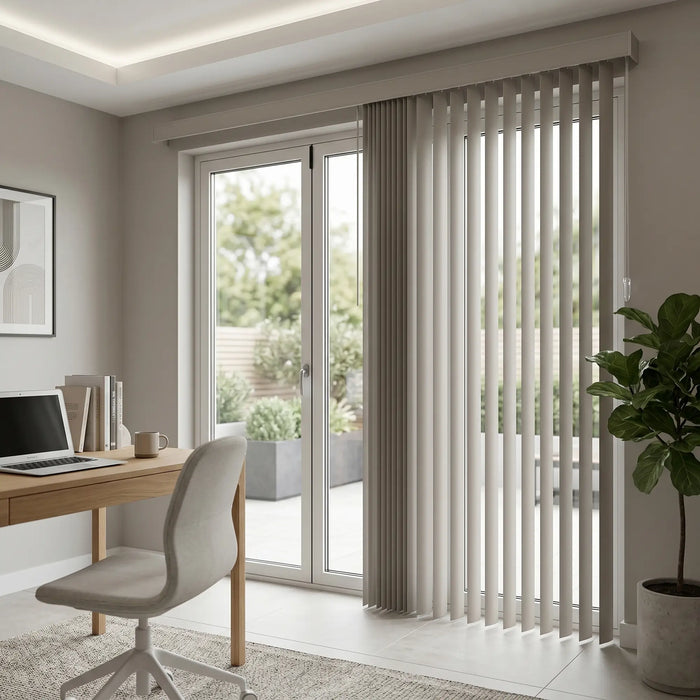
Vertical Blinds
Vertical blinds are a classic choice for extra-wide windows and sliding glass doors. These window treatments feature vertical slats that rotate to control light and slide to the side. Vertical blinds for windows distribute weight evenly across the headrail, making them ideal for wide expanses. Available in fabric, vinyl, and faux wood materials, vertical blinds offer budget-friendly solutions.
Cellular Shades
Cellular shades excel as large window blinds because they're lightweight yet strong. The honeycomb structure provides insulation with R-values up to R-4. Light filtering cellular shades can span wider distances without sagging. Light filtering fabrics soften harsh sunlight, while blackout options work well for bedrooms. Single and double cell construction is available.
Roller Shades
Roller shades offer a streamlined look for window treatments for wide windows. They roll up completely for an unobstructed view and roll down for privacy. Cordless roller shades work especially well for modern spaces. Light filtering creates a soft glow, and blackout options eliminate nearly all light. Motorized options make operation simple.
Faux Wood Blinds
Faux wood blinds provide a cost-effective solution for large windows. These window blinds offer good light control through adjustable slats. However, weight can be an issue for very wide windows. Available in various slat sizes, faux wood blinds work well when width doesn't exceed practical limits.
Mini Blinds
Mini blinds offer compact, budget-friendly light control. These aluminum or vinyl window blinds are lightweight, making them easier to handle on wide expanses. Narrow slats tilt for precise adjustment.
Light Control Options for Large Windows
The best blinds for windows handle light effectively on large expanses. Light filtering softens harsh sunlight without blocking it completely, reducing glare while maintaining your outdoor connection. Daytime privacy comes from diffused light.
Room darkening blocks most light, perfect for bedrooms or media rooms. Some light may leak around edges, but the room stays comfortably dim. Blackout cellular shades eliminate nearly all light, ideal for shift workers or home theaters. Pair blackout window treatments with proper mounting to minimize gaps.
Motorization for Large Windows
Large window treatments can be heavy and awkward to operate manually. Motorization solves that problem. Battery-powered motors eliminate electrical work, and rechargeable systems last months between charges. A wand control or remote raises and lowers shades with minimal effort.
Smart home integration allows programming window treatments to open with sunrise and close at sunset. Control them from your phone or connect to Alexa, Google Home, or other systems. Motorized blinds for big windows are safer for homes with children and pets. No dangling cords means no entanglement hazards. Cordless operation meets safety standards.
Measuring Large Windows
Accurate measurements ensure your extra wide blinds fit properly. For inside mount, measure width at top, middle, and bottom—use the narrowest. Measure height at left, center, and right—use the longest. The factory makes deductions for proper fit.
For outside mount, measure the width you want to cover, typically extending 2 to 4 inches beyond the frame. Measure height from where you'll mount the headrail to where you want the treatment to end. Many custom shades can be manufactured up to 115 inches wide on a single headrail. For wider windows, splitting into multiple shades is recommended.
Installation Considerations
Most customers install their own blinds for windows. A drill, screwdriver, tape measure, and level will get you through most installations. Inside mount installations are often simpler. Outside mount may require finding studs or using appropriate anchors. For extra-wide shades, a second person helps lift the headrail into brackets.
Energy Efficiency for Large Windows
Large glass areas lose and gain heat faster than insulated walls. The right window treatments help control energy costs. Cellular shades trap air in their honeycomb structure, creating an insulating barrier. Double cell construction provides better insulation than single cell. The R-value can reach up to R-4.
Even non-insulated treatments help by blocking direct sunlight. Solar heat gain through glass can significantly increase cooling costs. Motorization and smart home integration maximize efficiency. Program shades to close during peak sun hours automatically. Installing insulating cellular shades can significantly reduce heating and cooling bills.
Maintenance and Care
Window coverings for large windows need regular but simple maintenance. Dust cellular shades and roller shades with a microfiber cloth or vacuum with a soft brush attachment. Spot clean stains promptly with mild soap and water. Never submerge blinds or shades in water. Keep mechanisms clean for smooth operation.
Common Questions About Large Window Shades & Blinds
What blinds are best for large windows?
Vertical blinds, cellular shades, and roller shades are excellent choices. Vertical blinds are classic for extra-wide windows and sliding doors. Cellular shades are lightweight yet strong with excellent insulation. Roller shades offer a streamlined, modern look.
What is the largest width available for blinds?
Many custom shades can be manufactured up to 115 inches wide on a single headrail. For windows wider than that, splitting into multiple shades on one headrail is recommended.
How can I effectively cover large windows?
Choose window treatments designed for wide expanses. Consider motorization for easy operation. Use proper mounting based on your needs. Consider splitting very wide windows into multiple sections.
Do I need motorized blinds for large windows?
While not strictly required, motorization is highly recommended. Heavy shades can be difficult to lift manually, and tall windows may have cords that are hard to reach.
How do I measure blinds for large windows?
Always use a steel tape measure. Measure width in three places and height in three places. For large windows, accuracy is critical.
Are cellular shades suitable for wide windows?
Yes. Because the fabric is incredibly lightweight, cellular shades can span wider distances without sagging compared to heavier wood or faux wood blinds.
How can large window blinds improve energy efficiency?
Large glass areas are the biggest source of heat loss in a home. Installing insulating cellular shades can significantly reduce heating and cooling bills. The honeycomb structure traps air, creating an insulating barrier.