 Skip to content


Picture Window Blinds
-
SALE
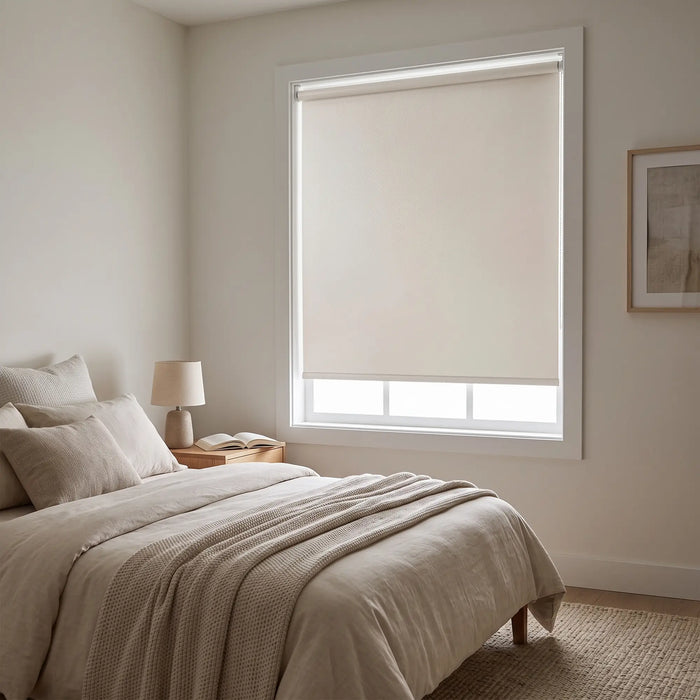 12 colors available⭐ Most Popular(138)
$18.99 SAVE 31%
$12.99
- Budget friendly
- Great for all rooms and applications
Free Shipping -
SALE
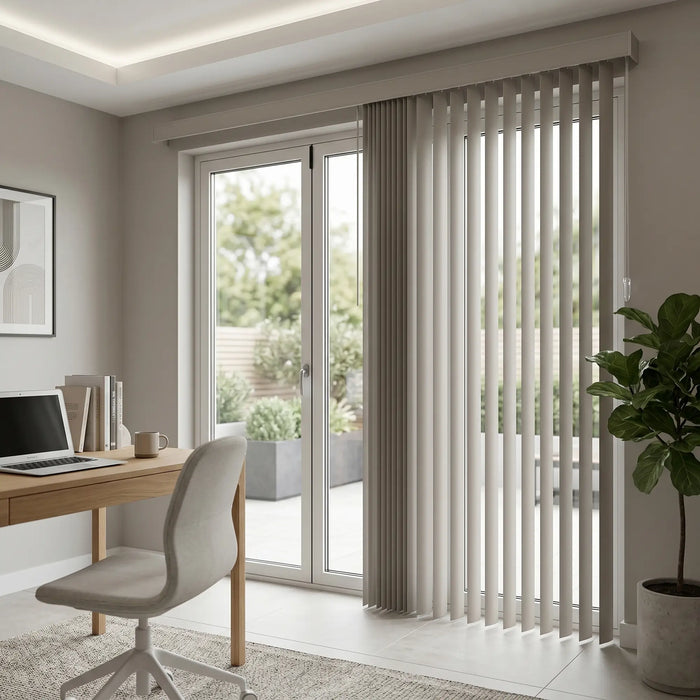 11 colors available⭐ Most Popular(82)
$199.99 SAVE 47%
$104.99
- Budget friendly
- 3 1/2" PVC Vanes
Free Shipping -
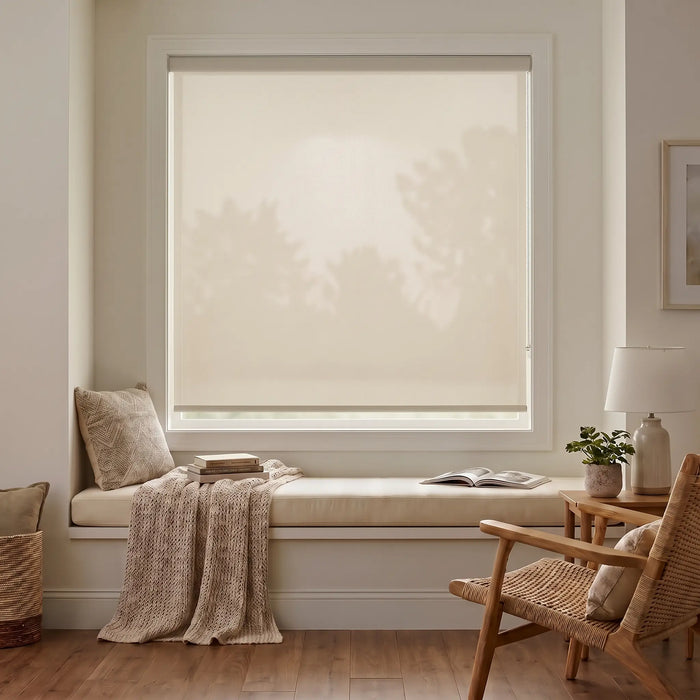
-
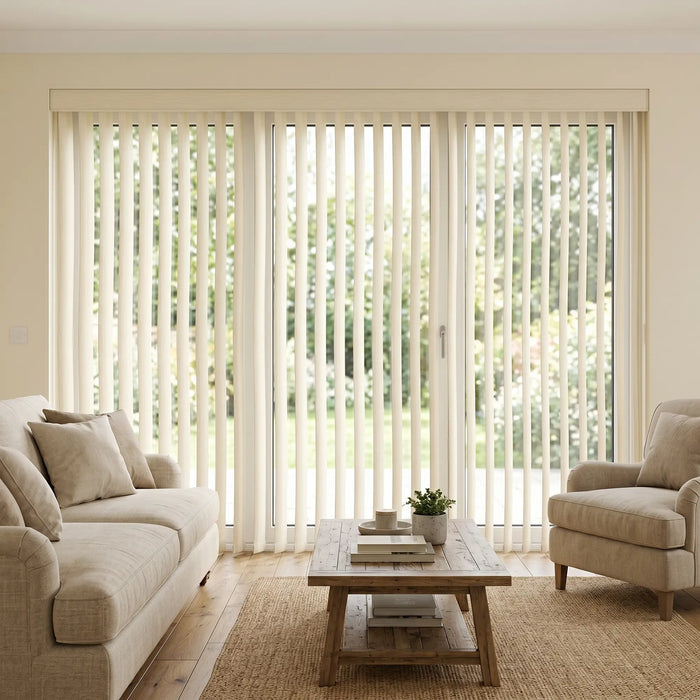 6 colors available(15)
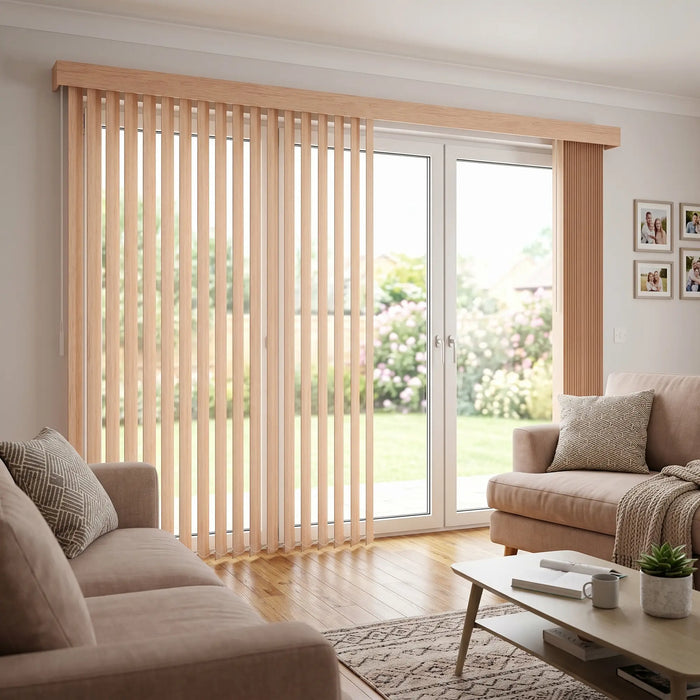
- Smooth Wood-Look
- Matching venetian blinds available
Free Shipping -
SALE
 10 colors available(19)
$185.99 SAVE 25%
$137.99
- Textured Wood-Look
- Matching venetian blinds available
Free Shipping -
-
SALE
 12 colors available⭐ Most Popular(138)
$18.99 SAVE 31%
$12.99
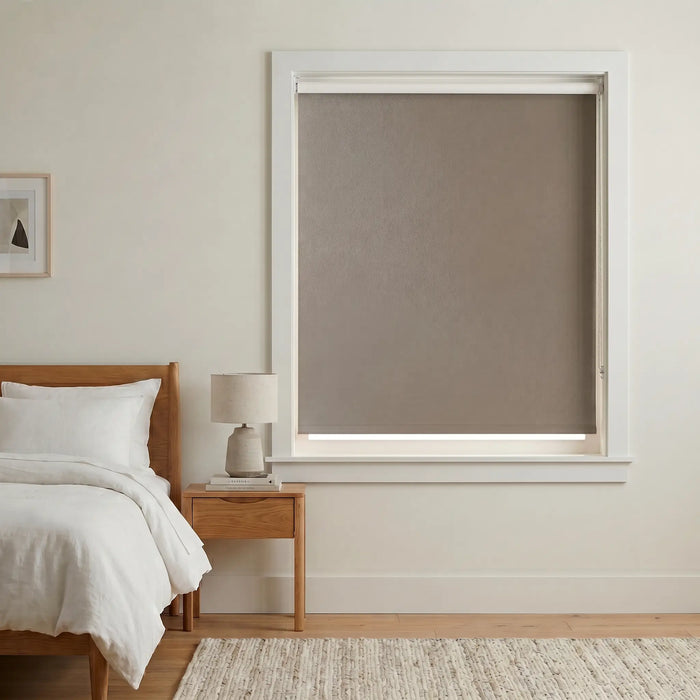
- Complete blackout
- All-time best seller
Free Shipping -
 5 colors available(5)
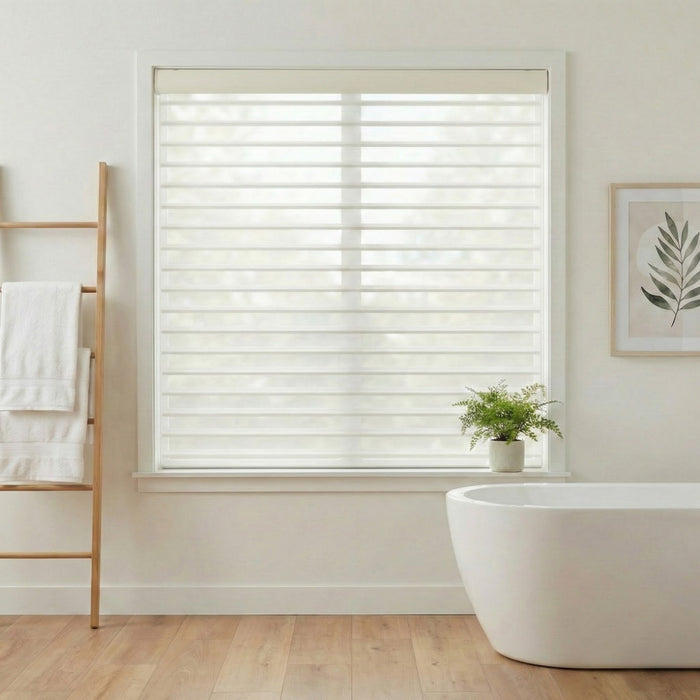
- Beautiful sheer effect
- Motorization available
Free Shipping -
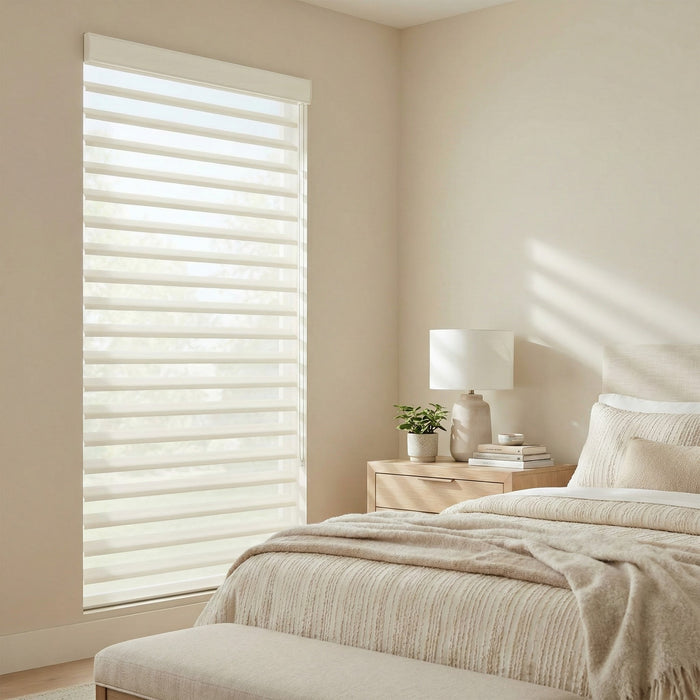 2 colors available(1)
$128.99
- Beautiful sheer effect
- Motorization available
Free Shipping -
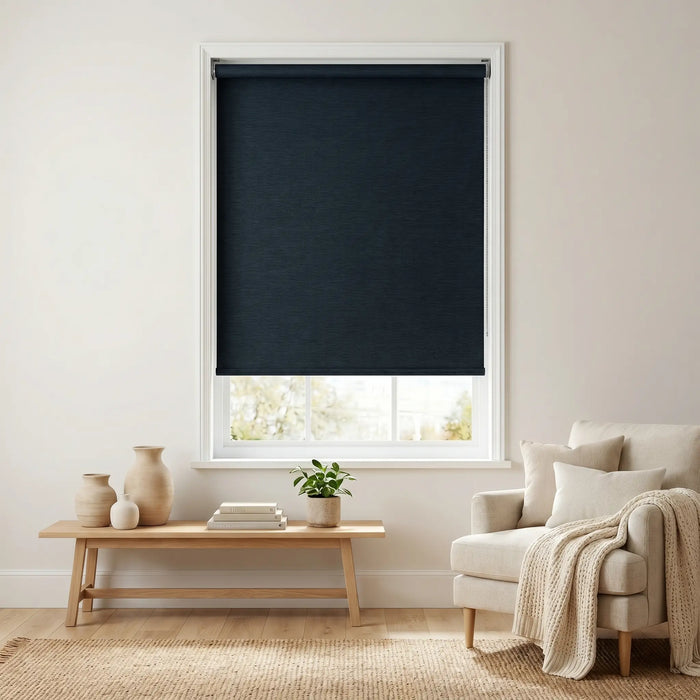
-
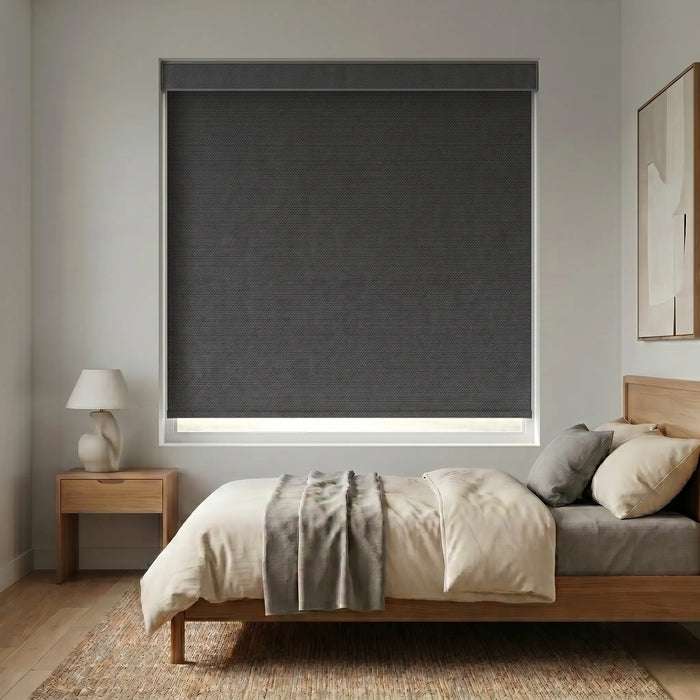
-
 22 colors available(14)
$140.99
- Tactile textured PVC
- Contemporary and classic styles
Free Shipping -
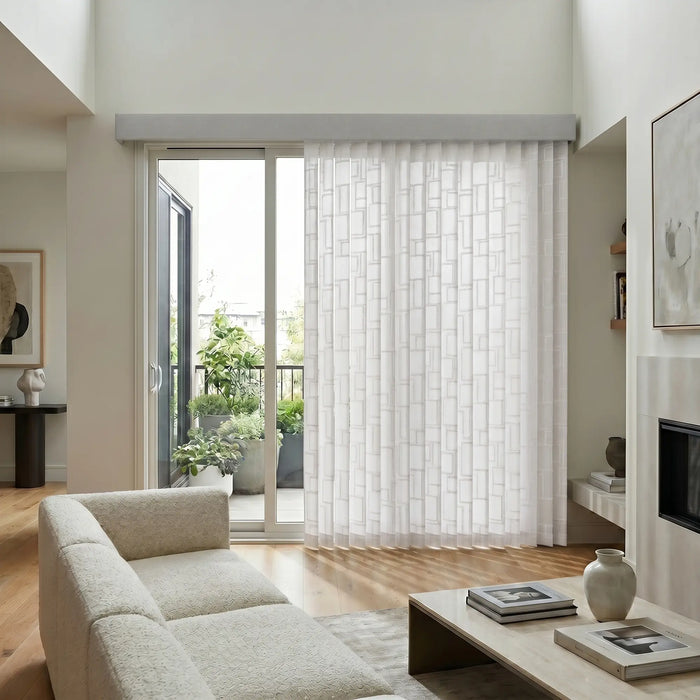 16 colors available(2)
$247.99
- 3 1/2" Fabric Vanes
- Best curtain alternative
Free Shipping -
-
 12 colors available(6)
- Unique S-Shape Look
- Great curtain alternative
Free Shipping -
 35 colors available
$189.99
- Widest range of colors & textures
- Neutrals, whites and colors
Free Shipping

What Is a Picture Window?
A picture window is a large, non-operating window designed to frame outdoor views. Unlike standard windows, picture windows don't open, allowing for larger glass panes. They typically extend wider or taller than standard windows. While picture windows excel at bringing in natural light, they work best where ventilation isn't required. Similar considerations apply when selecting casement window shades for other window types in your home.
Best Blinds for Picture Windows
Vertical Blinds
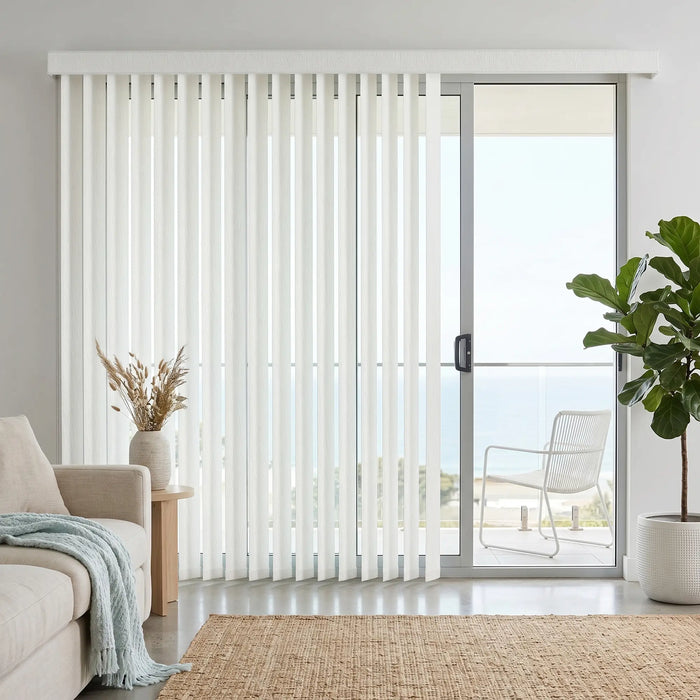
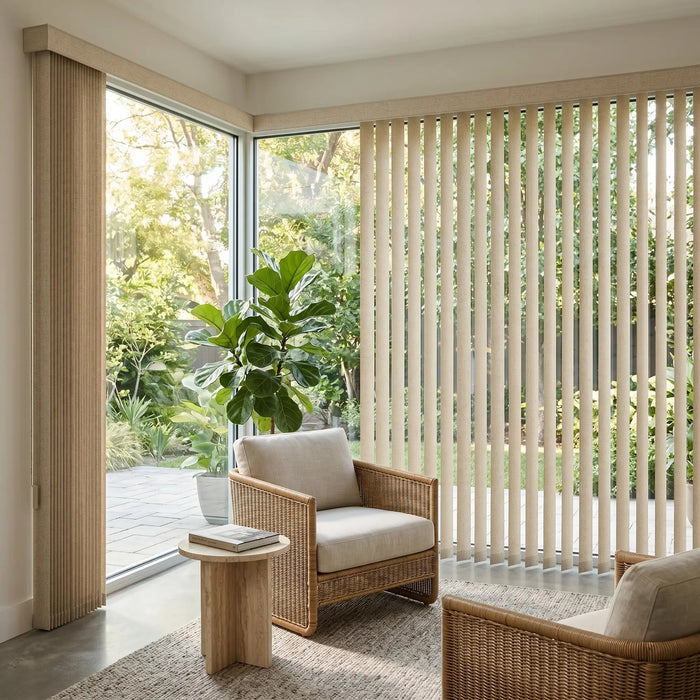
Vertical blinds are a classic choice for picture windows, especially those wider than they are tall. The vertical vanes handle large glass areas efficiently, tilting to control light or sliding open to reveal your view.
These blinds operate side-to-side rather than up and down, eliminating the struggle of lifting heavy window treatments. The moisture-resistant vinyl blinds for windows stand up to sunlight without fading and clean easily with soapy water. Vertical blinds provide reliable coverage at a budget-friendly price.
Cellular Shades
Cellular shades, also called honeycomb shades, excel for picture windows with their lightweight yet strong construction. The honeycomb structure traps air, creating insulation with R-values up to R-4—crucial for large windows.
Light filtering fabrics diffuse sunlight while reducing glare. Blackout cellular shades block nearly all light for bedrooms or home theaters. The lightweight fabric spans wide windows without sagging. Consider cordless or motorized options for easier operation.
Roller Shades
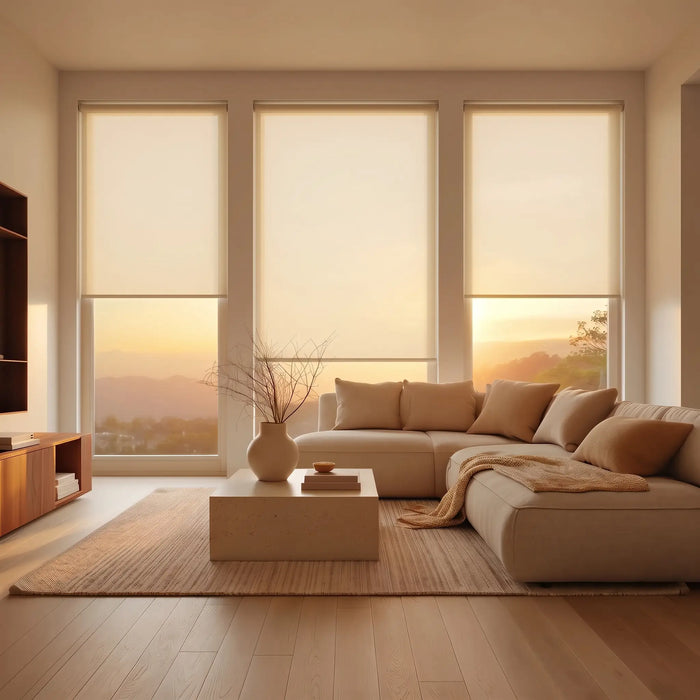
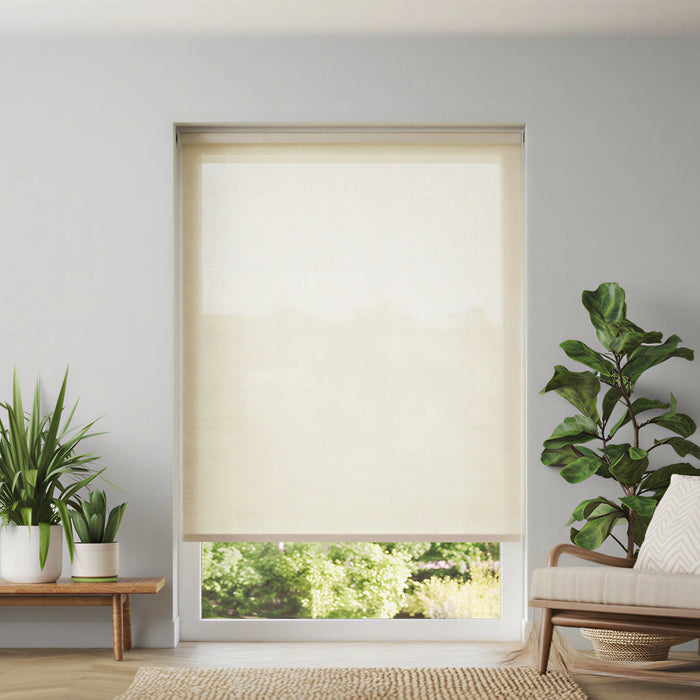
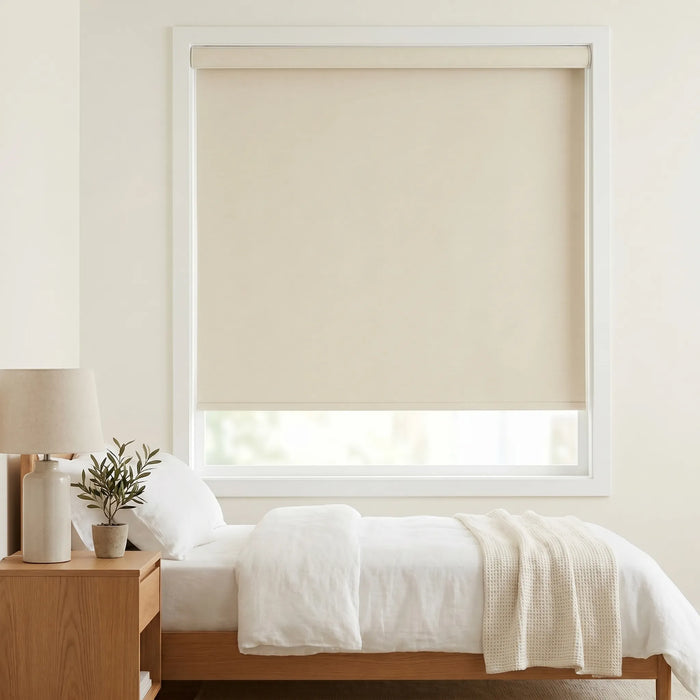
Roller shades deliver a streamlined, modern aesthetic. When raised, they roll up completely to preserve your view. Light filtering roller shades create a soft glow that reduces glare while blackout options eliminate light completely.
Roller shades work well in spaces with clean architectural lines. Motorized options make operation effortless on tall picture windows.
Faux Wood Blinds
Faux wood blinds bring natural wood warmth with added durability. The synthetic construction resists moisture, making these blinds suitable for bathrooms or sunny windows. The wider slats scale beautifully on large picture windows, and they offer a similar look to hardwood window blinds but with enhanced durability.
Choose faux wood blinds for traditional style with practical performance. Various wood-tone finishes match existing trim or furniture. Wide windows may require 2-on-1 or 3-on-1 headrail configuration.
Roman Shades
Roman shades add softness and elegance through their cascading fabric folds. Choose from hundreds of colors and patterns. The fabric provides excellent light control, from sheer filtering to room darkening.
Roman shades work well in formal living rooms or bedrooms where you want sophisticated window covering.
Light Control Options
Light filtering fabrics soften sunlight without blocking your view. They reduce glare while maintaining your connection to the outdoors. Light filtering provides daytime privacy.
Room darkening blinds block most light, creating comfortable dimness for bedrooms or media rooms. Blackout blinds eliminate nearly all light, essential for home theaters or shift workers.
Motorized Blinds for Large Windows
Motorization solves the challenge of operating heavy window treatments on large picture windows. Battery-powered motors require no electrical work and rechargeable systems last months between charges. Program your blinds to open at sunrise and close at sunset, or control them from your phone.
Smart home integration connects your blinds with Alexa, Google Home, or other systems. Motorization enhances safety by eliminating dangling cords in homes with children and pets.
Energy Efficiency Considerations
Large picture windows impact your home's energy efficiency. Cellular shades provide the best insulation with their honeycomb construction, creating an insulating barrier that slows heat transfer. These energy-efficient solutions work well in various settings, from living rooms to sunroom window shades where temperature control matters most.
Even non-insulating blinds help by blocking direct sunlight. Blinds that reflect or absorb sunlight make a measurable difference in indoor temperature and cooling costs.
Measuring Your Picture Windows
For inside mount, measure width at the top, middle, and bottom of your frame—use the narrowest measurement. Measure height at the left, center, and right—use the longest measurement.
For outside mount, measure the width you want to cover, typically 2-4 inches beyond the frame on each side. Measure from your mounting point to the desired end point. Outside mount maximizes light control.
Use a steel tape measure for accuracy. Contact our team at 1-800-355-2546 if you need measurement guidance.
Installation and Maintenance
Most homeowners install their own blinds with basic tools: drill, screwdriver, tape measure, and level. For large windows, a second person helps lift the headrail. Installation typically takes 30-45 minutes per window.
Dust weekly with a microfiber cloth or vacuum with a soft brush. Spot clean with mild soap and water. Never submerge blinds in water—moisture damages materials and mechanisms.
Multiple-on-1 Headrail Solutions
Some picture windows exceed the maximum width individual blinds can span. Multiple-on-1 headrail configurations solve this. With 2-on-1, two blinds hang from one headrail, operating independently. A 3-on-1 uses three blinds.
This distributes weight effectively while maintaining structure. The unified headrail with a valance creates a cohesive appearance.
Choosing Picture Window Blinds
Consider your light control needs. Bedrooms benefit from room darkening or blackout options, while living areas work best with light filtering.
Evaluate energy efficiency priorities. Cellular shades provide maximum insulation if your window faces direct sun. Consider your home's style—vertical blinds offer classic practicality, roller shades create modern simplicity, Roman shades add elegance.
Budget for motorization if your window sits high or manual operation requires awkward reaching. Order free samples to see fabrics and colors in your space before ordering.
Common Questions About Picture Window Blinds
What blinds work best for picture windows?
Cellular shades provide superior energy efficiency, vertical blinds offer classic coverage, roller shades deliver modern style, and faux wood blinds add traditional warmth.
How do you cover a large picture window?
Choose window treatments designed for large dimensions. Vertical blinds, cellular shades, and roller shades handle wide spans effectively. For extremely wide windows, consider 2-on-1 or 3-on-1 headrail configurations.
Do I need motorized blinds for picture windows?
While not required, motorization offers significant advantages. Heavy blinds become difficult to operate manually, and tall windows may have hard-to-reach cords. Motorization makes operation effortless while extending blind life.
Can cellular shades handle wide picture windows?
Yes. Cellular shades' lightweight construction spans wider distances than heavier alternatives without sagging, making them excellent for expansive windows.
How do picture window blinds help with energy efficiency?
Large glass areas lose and gain heat rapidly. Cellular shades create an insulating barrier with R-values up to R-4. Even non-insulating blinds help by blocking direct sunlight.