Skip to content


6 Tips and Tricks for Decorating with Wooden Blinds


If you love the natural and warm look of wood blinds, you’re in for a treat in the decorating department! Not only are real wood blinds particularly versatile — they, like your hardwood floors and furniture, come in a seemingly endless selection of finishes — they’re also durable and long-lasting. And like any good window treatment, wooden blinds are great for helping you keep light out or bring light in, depending on your preferences and needs. But once you’ve settled on wood, how do you tie it into your greater décor scheme? Let’s take a look!
Key Takeaways
- Wood blinds complement natural, traditional, coastal, vintage, transitional, and Asian-inspired interiors, but not high-humidity rooms.
- Wood and bamboo finishes can match or contrast floors and furniture, offering natural, eco-friendly design options.
- White or warmer wood finishes influence mood; pairing with soft textiles and upholstery softens the overall look.
- Slat size affects window proportion, overall aesthetic, and controls light amount and outside visibility.
- Control styles include pull cord, wand, and cordless; cordless eliminates exposed cords often used in kids' rooms.
The Best Applications for Wood Blinds
Before we get into our decorating tips, it’s important to take a moment to discuss the best environments for wood blinds. These are excellent window treatments for natural, earthy, traditional, vintage, transitional, coastal and Asian-inspired living spaces. However, there are some spaces where wooden blinds probably won’t work, particularly high-humidity environments. When wood gets wet or moist, it may warp and become permanently damaged. For the same stylish look in humid environments, we always recommend using faux wood blinds.
Without further ado, here are our favorite tips for decorating with wooden blinds!
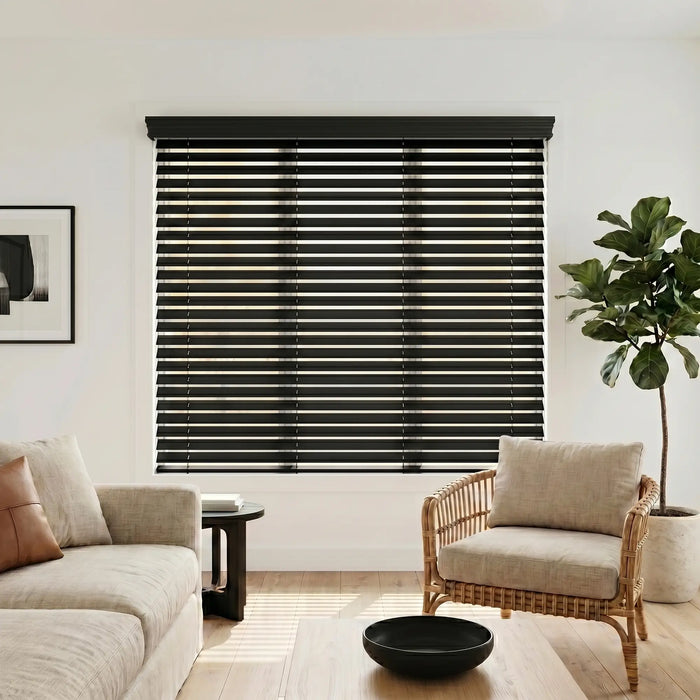
- To Match or Not to Match — The first thing to consider when picking your blinds is finish. You may prefer to have your blinds match your floors, molding or wood furniture, but don’t be afraid to choose finishes that accent rather than match for a little bit of extra dimension and excitement. Typically, lighter wood finishes (such as acorn or oak) are used in modern, airy and earthy spaces, where darker wood finishes (such as cherry or mahogany) are best for more formal and traditional rooms.

- Think About Slat Size — Slat size is an important consideration when blind shopping because the size of the slats helps create a more proportional look with the size of your window. It’s also a major contributor to the overall aesthetic of your blinds, and it may slightly alter their functionality and performance. For example, larger slats allow more light to pass through and provide more visibility when the slats are tilted open.
- Don’t Discount White — While many people prefer the natural, finished look of wood blinds, others may desire the durability of wood combined with paint or an unconventional finish. We often recommend white wood blinds for those designing a modern, trendy or coastal living space. These window treatments add a fresh feel and go with just about every color scheme and style.
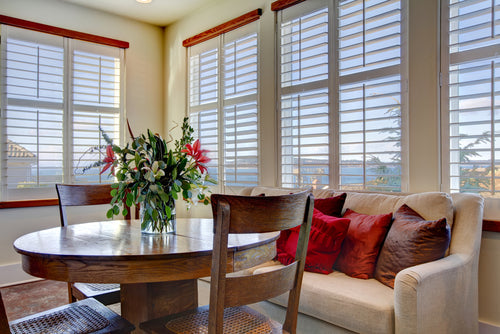
- Soften the Look — One reason some decorators may not prefer wood blinds is because, since they lack fabric, they may feel harsh or cold. A great way to combat this is to pair them with softer textures and colors, such as upholstered furniture. You may also want to choose a warmer finish (such as cherry or red oak) to keep your space cozy.
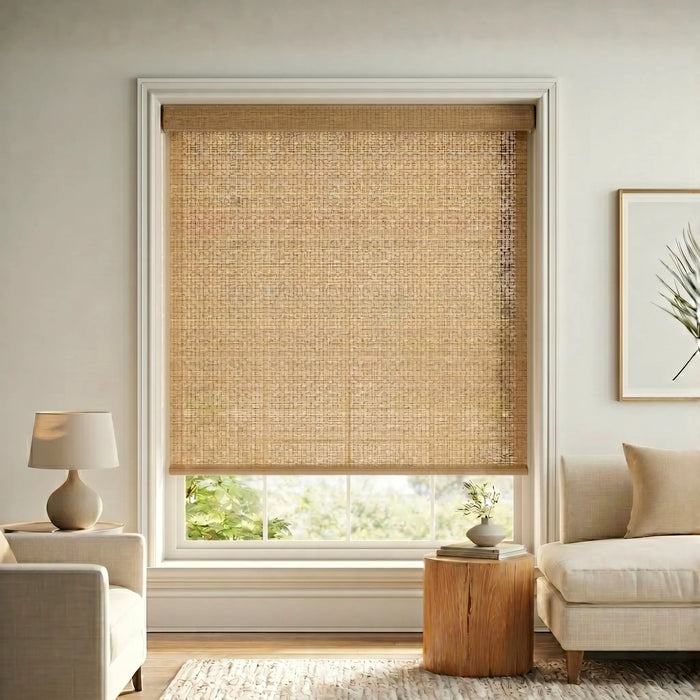
- Consider Bamboo — While bamboo is still not completely accepted in the canon of hardwoods, it’s quickly becoming one of the most popular design materials out there. That’s because it’s amazingly eco-friendly and brings a unique, natural look to your space. Bamboo blinds are a top pick for down-to-earth, Zen and Asian design styles.
- Don’t Overlook the Control — The devil’s in the details, as they say! When picking any kind of blind, make sure that you take note of the control style. Blinds usually feature either a cordless, pull cord or wand style control. The pull cord is the most common, but there are some instances where you might prefer a different option. For example, cordless wood blinds are ideal for the kids’ room or nursery.
With all these great tips, we’re sure you’ll find a set of window blinds that exceeds your design vision and meets your needs in the functionality department, too. If you still need help choosing your new custom blinds, we’re always here to help you find a material, design style and size for your home or business. Don’t hesitate to reach out to us with your questions, concerns or comments!
Frequently Asked Questions
Are wooden blinds suitable for high-humidity rooms?
Wooden blinds are not recommended for high-humidity environments because wood can warp when wet or moist. For humid rooms, the article recommends using faux wood blinds as a more durable alternative.
How should I choose a wood finish to fit my décor?
Consider matching finishes to your floors, molding, or furniture or choose a contrasting finish to add dimension; lighter woods like acorn or oak suit modern, airy spaces while darker woods like cherry or mahogany fit formal, traditional rooms. You can order free samples to compare finishes before buying.
How does slat size affect the look and light control of wooden blinds?
Slat size helps create a proportional look with your window and contributes to the overall aesthetic; larger slats allow more light to pass through and provide greater visibility when tilted open. For guidance on sizing and proportions, see how to measure your windows.
When are white wood blinds a good choice?
White wood blinds work well in modern, trendy, or coastal spaces because they add a fresh feel and pair with most color schemes. They offer the warmth of wood in a painted, lighter visual finish.
Which control style is best for a nursery or kids' room?
Cordless wood blinds are ideal for a kids' room or nursery because they eliminate looped cords that can be hazardous. Pull cords are the most common control and a wand is another available option depending on preference.