Skip to content


Cellular Shades vs Honeycomb: Are They the Same Thing?


If you have been shopping for soft fabric shades, you have probably seen cellular shade and honeycomb shade used interchangeably.
Key Takeaways
- Cellular and honeycomb both describe the same soft fabric shade built from bonded hollow cells.
- Manufacturers use "cellular" for technical specs like R-value and stack height; retailers prefer "honeycomb".
- Cells trap air for insulation and energy efficiency, with single, double, or triple-cell options affecting performance.
- Both terms appear across retailers; product differences are in fabric, cell count, and blackout versus light-filtering options.
The short answer is yes: they describe the same kind of window treatment. The names come from different angles on the same construction, not from two separate product lines. Learn more about cellular shades.
This guide clears up the wording, explains why both labels exist, and shows you how to search so you do not miss good options.
Are They the Same Product? (Yes, Same Construction)
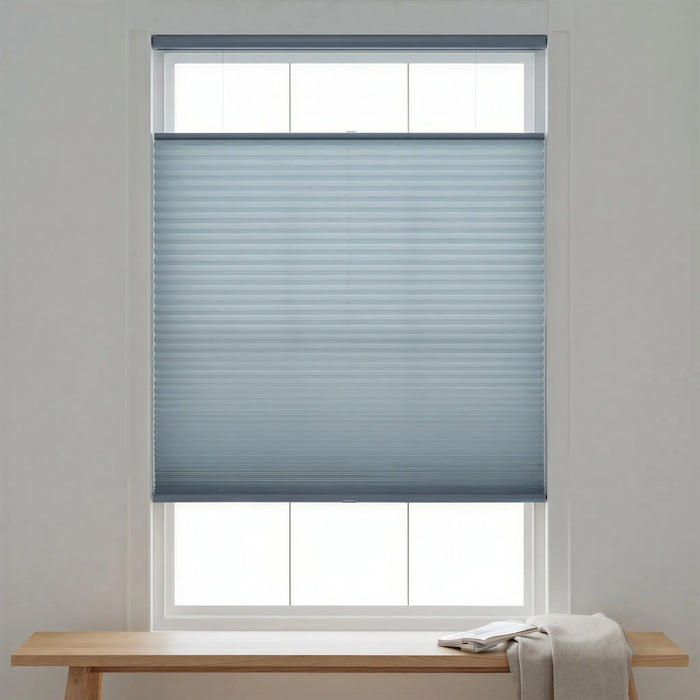
A cellular shade is a fabric shade built from bonded rows of material that form hollow cells. When you look at the edge of the shade, those cells look like a honeycomb, so many people and catalogs use the label honeycomb shade for the same build.
There is no extra layer or different frame that separates "cellular" from "honeycomb" in the catalog sense. If two listings show the same cell shape, light filtering or blackout fabric, and the same pleat structure, you are looking at the same category of window covering.
That also means comparing cellular shade labels to the honeycomb nickname is not like comparing a blind with slats to a roller shade. It is naming, not mechanics. Whether the site says cellular or uses the honeycomb nickname, the cells still trap air at the glass to insulate and support energy efficiency.
Why Two Names Exist (Manufacturing vs Retail Terminology)
Industry language tends to favor cellular because it sounds technical and matches how engineers talk about the cell structure. Marketing copy often uses the more visual name because shoppers immediately picture the hex-shaped channels.
Manufacturers print spec sheets that say cellular shade when they describe R-value, cell depth, and stack height. Retail sites and ads often lead with the friendlier, more visual name because it is easy to remember.
Which Retailers Use Which Term
You will see a mix everywhere. Big window treatment brands may use the visual nickname in the hero image and cellular in the fine print. Specialty shops might say cellular blinds (same cell construction, still soft fabric) next to shutter or hard blind categories so customers can compare categories quickly. Online marketplaces often tag listings with both cellular shade and the informal label so they show up for either search.
How to Search for Them Correctly
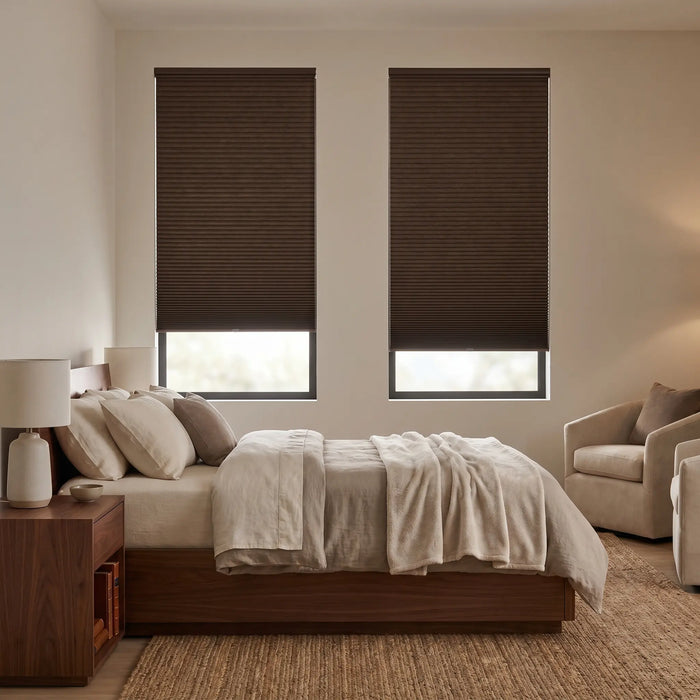
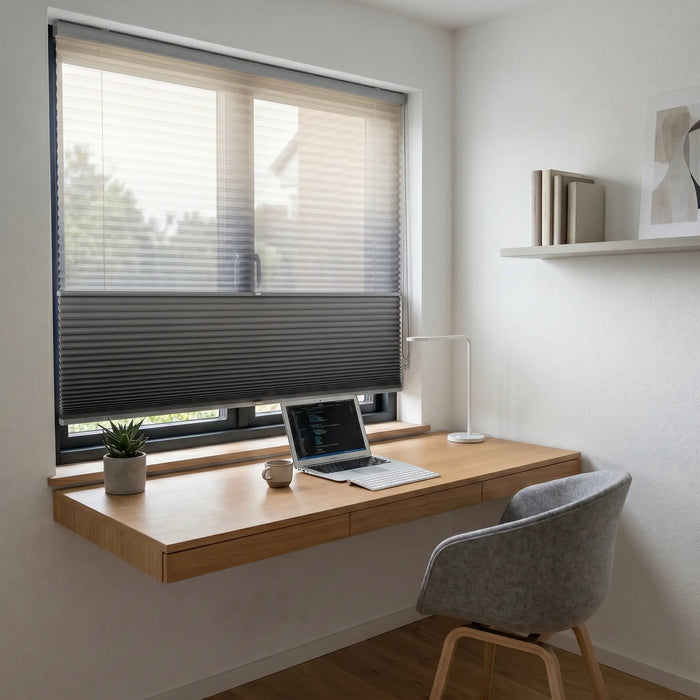
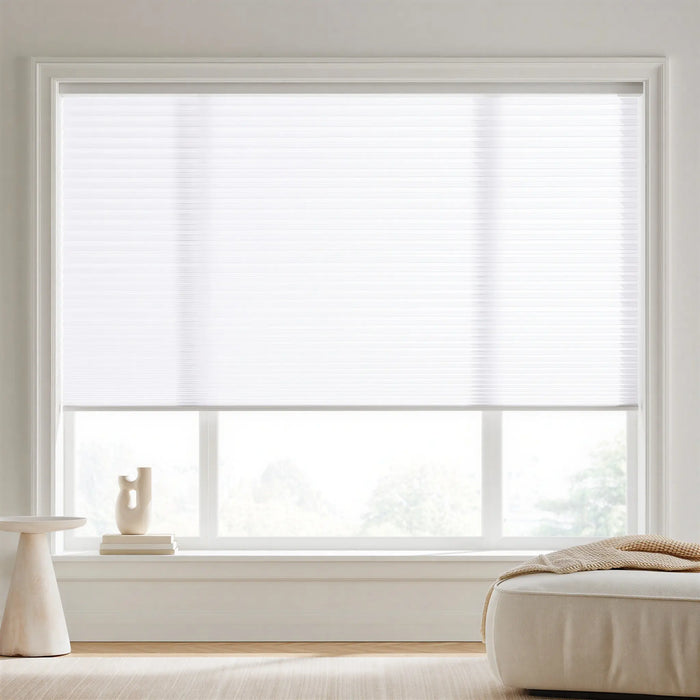
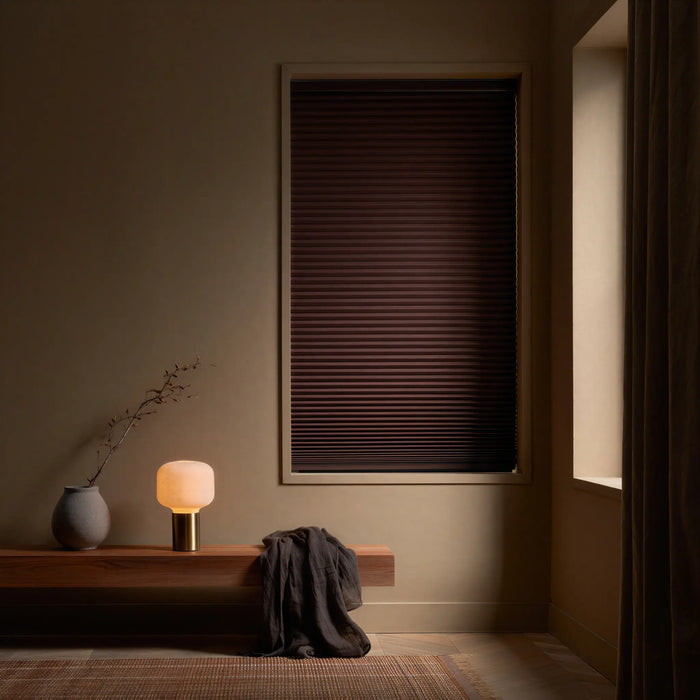
Use both cellular shade and honeycomb shade in your searches so you do not narrow results by accident. Compare products by what actually changes comfort: single versus double versus triple cell, blackout cellular versus light filtering, and mount type. If you need darkness for a bedroom, filter for room-darkening fabrics or full blackout options and confirm side channels or overlap if light leaks matter to you. For rooms where you want soft daylight during the day and stronger privacy at night, day/night cellular shades are another helpful variation to compare within the same cellular shade family.
Remember that cellular shade shopping is not a contest between two rival types. It is one family of shades with two common names. The same cell-based construction applies no matter which label you started with, including when you compare factory-direct pricing and fabric options.
Quick Answers to Related Questions
Disadvantages: Fabric cells can collect dust, and spot cleaning takes more care than wiping rigid blind slats. Fabrics built for room darkening help privacy at night, while light filtering types soften daylight but may need room-darkening or layered treatments if you need full room darkening.
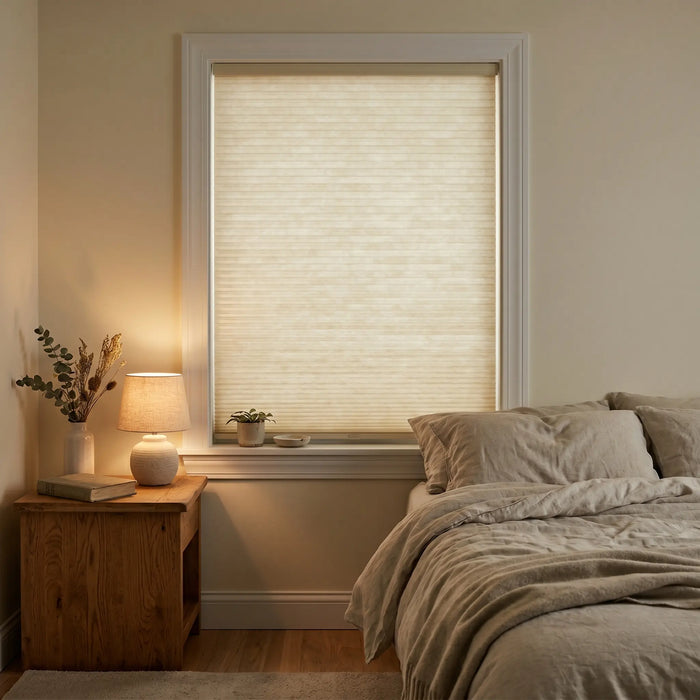
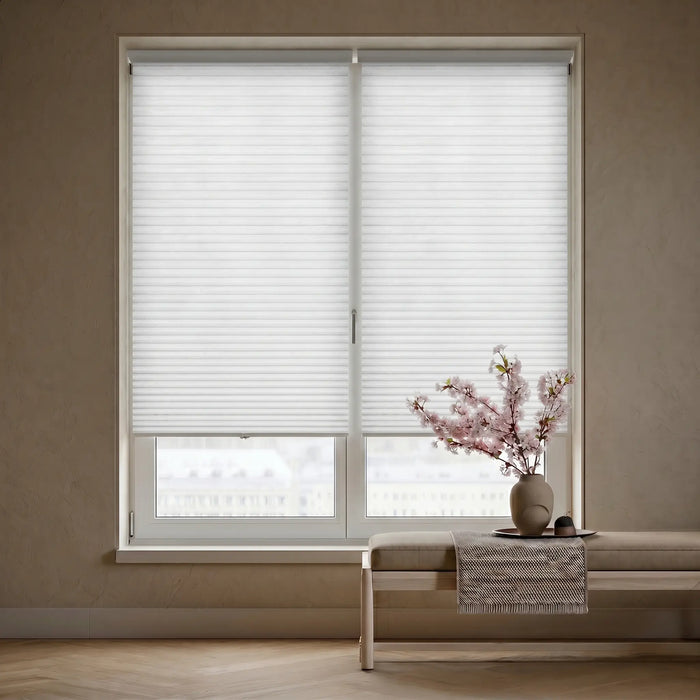
Privacy and light: For see-out, soft light, light filtering cellular shades & blinds are a common pick. For street-facing bedroom windows at night, move toward room-darkening or blackout options.
Benefits and insulation: Trapped air inside the cells supports insulation and energy efficiency at the glass compared with leaving a window bare.
Single versus double cell: More layers of cells usually mean better thermal performance and sometimes a taller stack when raised.
Cost, cleaning, noise, and large openings: Price varies by size, fabric, and lift system. Cleaning is manageable with regular dusting and gentle spot care. A cellular shade can soften outside noise somewhat but is not a full soundproofing solution. Very wide openings may need multiple shades or specialist hardware, which any serious retailer will spell out in the specs.
When you strip away the labels, you are choosing one proven window covering style. Type cellular or the honeycomb nickname on the search bar, then judge the product by cell layout, fabric, and how you want the room to feel.
Frequently Asked Questions
Are cellular shades and honeycomb shades the same thing?
Yes. The names describe the same construction — bonded rows of fabric that form hollow cells which look like a honeycomb, and those cells trap air at the glass to support insulation and energy efficiency.
How can I search so I don't miss cellular/honeycomb shade options?
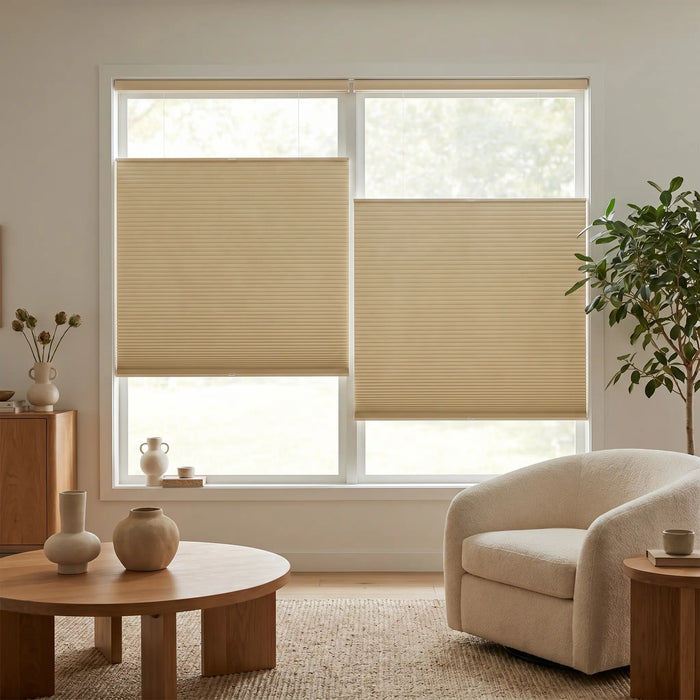
Use both "cellular shade" and "honeycomb shade" when searching, and compare product specs like cell depth, cell count (single/double/triple), fabric type, and mount. Filter for features you need such as blackout fabrics or top-down/bottom-up lift to narrow results.
Do double- or triple-cell shades perform better than single-cell shades?
Yes; more cell layers usually improve thermal performance compared with single-cell shades. They can also increase stack height when the shade is raised, which affects how much window is covered when open.
Can cellular/honeycomb shades provide full room darkening?
They can, but you must choose room-darkening or full blackout fabrics and confirm side channels or overlap to control light leaks. Light-filtering fabrics soften daylight but typically won't deliver complete darkness.
How can I check fabric and color before buying?
Order free fabric samples to compare material, opacity, and color in your room lighting before purchasing. This helps confirm the look and light control you need: free fabric samples.