Skip to content


Are Cellular Shades Worth It? An Honest Look at Cost vs. Benefit


Many homeowners like how cellular shades look, but the real question is simple: are they worth paying more for than other window coverings? The short answer is that they can be, especially if comfort, energy efficiency, and light management matter in your daily life.
Key Takeaways
- Honeycomb cells provide measurable insulation and improved thermal comfort compared with many flat window coverings.
- Light control and privacy range from light‑filtering to blackout, with motorized and top‑down bottom‑up operations.
- Higher upfront cost, trickier cleaning, and a pleated look that may not suit flat minimalist interiors.
- Energy savings and payback depend on climate, window quality, daily habits, and room exposure or usage.
The longer answer depends on your goals, your windows, and your budget. This guide breaks down the real pros, the real drawbacks, and when a lower-cost option like roller shades may still be the smarter buy.
Pros of Cellular Shades (Insulation, Noise Reduction, Light Control, Longevity)
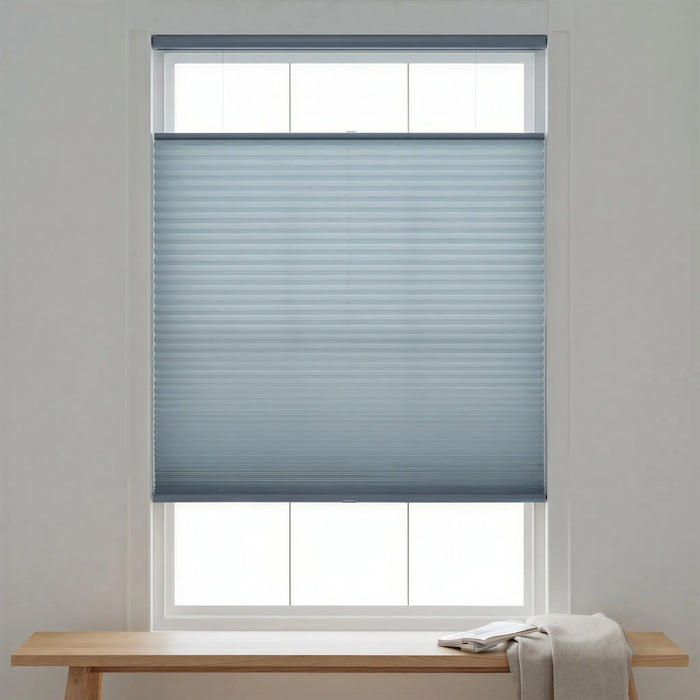
The biggest advantage of cellular shades is their honeycomb structure. Those pockets of trapped air create a layer of insulation between room air and glass. That helps insulate against both summer heat and winter cold better than many flat fabrics.
Key benefits include:
- Better thermal comfort at windows, especially in bedrooms and living areas
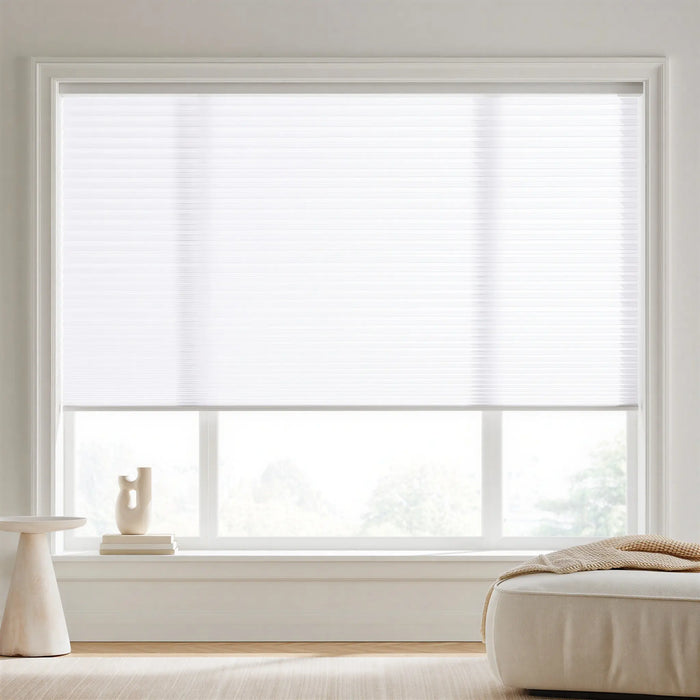
- Improved light control across light filtering and blackout fabrics
- Good privacy without giving up all natural light when you choose light-filtering fabrics
- Cleaner look than many heavy drapery setups
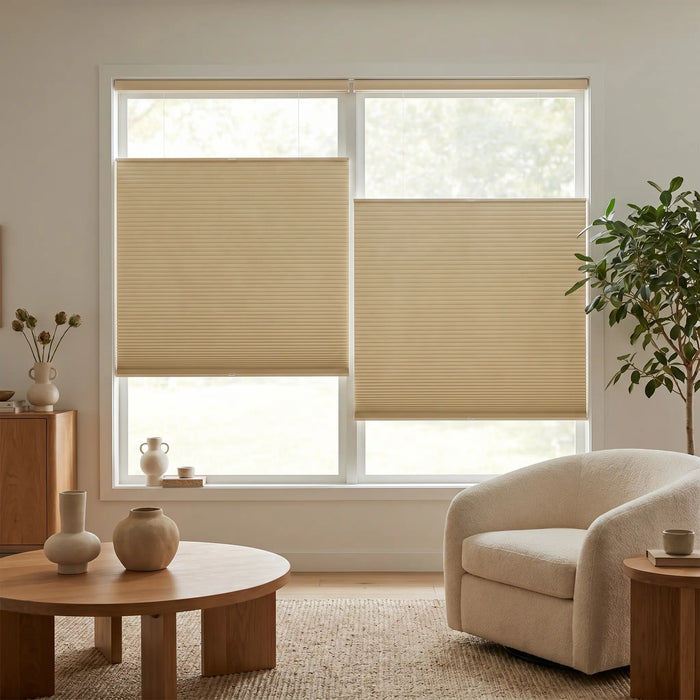
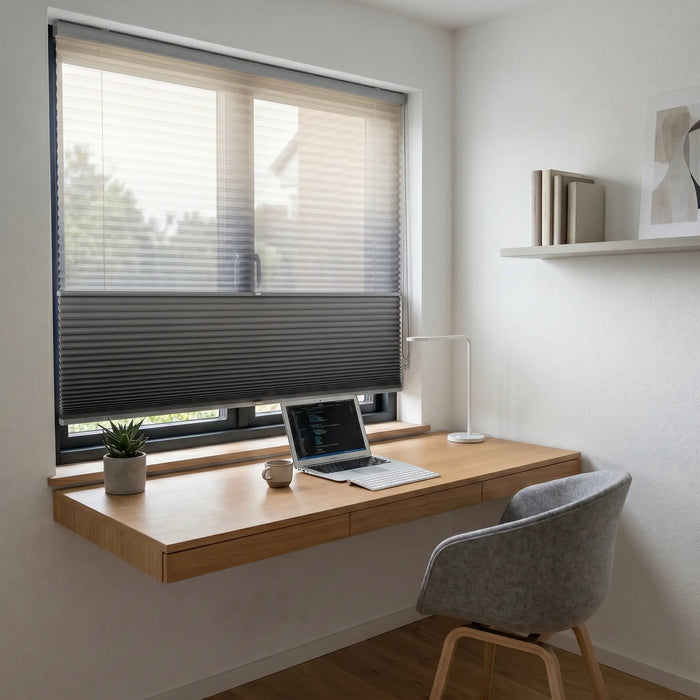
- Useful operation upgrades including top-down bottom-up and motorized controls
For many homes, this translates into steadier indoor temperatures and more consistent comfort. In practical terms, cellular shades offer both function and style in one window treatment.
Noise reduction is usually a secondary benefit, but it is real. The cellular design can soften outside sound compared with bare glass. It will not soundproof a room, but for a homeowner near traffic or neighborhood noise, it often takes the edge off.
Cons and Limitations (Cost, Cleaning, Aesthetic Trade-Offs)
A fair “worth it” answer has to include downsides.
First, price: cellular shades usually cost more than basic roller shades or simple vinyl blind options. If your priority is lowest upfront spend, they may feel expensive.
Second, cleaning: while routine care is manageable, the cells can collect dust and are less straightforward than wiping down a hard-slat blind. Some people see this as minor; others find it annoying over time.
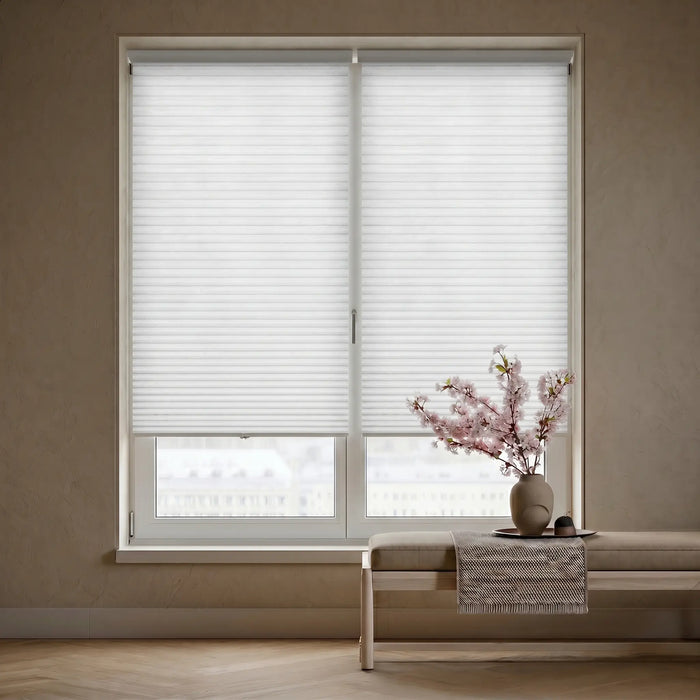
Third, style fit: the soft pleated look works in many spaces, but it is not everyone’s favorite aesthetic. If you want a very flat, minimal profile, roller shades may better match that goal.
Fourth, performance depends on setup: install quality, side gaps, and fabric choice can affect results. Inside or outside mount is often where light gaps start or stop. A premium product installed poorly will not perform like the numbers suggest.
Cost vs Benefit Breakdown
Whether cellular shades are worth it comes down to what you value most.
If you value comfort
The insulation gain can be meaningful around drafty or sun-exposed windows, including large windows where temperature swing is obvious.
If you value utility savings
Many households see better thermal control that can support lower energy costs over time. Savings vary by climate, exposure, and HVAC behavior, but the direction is often favorable.
If you value flexible light and privacy
This category is strong because you can choose light filtering, room-darkening, or blackout cellular fabrics with a similar overall look.
If you value lowest purchase cost
A simpler window treatment may win. Lower-cost roller shades can still look good and solve basic privacy/light needs.
Energy Savings Timeline (How Long to Recoup Higher Upfront Cost)
There is no universal payback number, but the timeline usually depends on three variables:
- Climate severity and window exposure
- Existing window performance
- Daily shade habits
Homes with strong sun exposure, older windows, or seasonal HVAC strain tend to feel benefit faster. In those cases, reduced energy bills and better comfort can justify the higher initial cost.
If your windows are already high-performing and your climate is mild, the financial payback may be slower. The product may still be worth it for comfort and light management, but the argument becomes lifestyle-first rather than utility-bill-first.
What Affects Real ROI the Most
When people ask whether cellular shades are worth it, they often focus on one price number. A better approach is to look at the full context that influences long-term value.
Window quality today
If your current windows have noticeable draft, solar heat, or nighttime cold discomfort, the insulating benefit from a honeycomb shade is usually easier to feel and justify.
Exposure and orientation
Rooms with hard west sun or large south-facing glass often benefit more than shaded north-facing spaces. The same product can feel highly effective in one room and average in another.
Fabric and operation choice
Light filtering fabric can be ideal for living spaces where daylight matters, while blackout or blackout cellular options often make more sense in a bedroom or media room. If you motorize shades and schedule movement around sun patterns, you can improve consistency and convenience.
Room usage
High-use rooms where people sit near windows tend to show the biggest comfort gains. In low-use rooms, the same upgrade may be harder to notice day to day.
Existing alternative
If you are comparing to old mini blind products or bare glass, the jump in comfort can be obvious. If you are replacing modern, good-quality roller shades, the difference may be narrower and should be evaluated more carefully.
Practical Scenarios: Where They Usually Pay Off
Bedroom comfort and sleep control
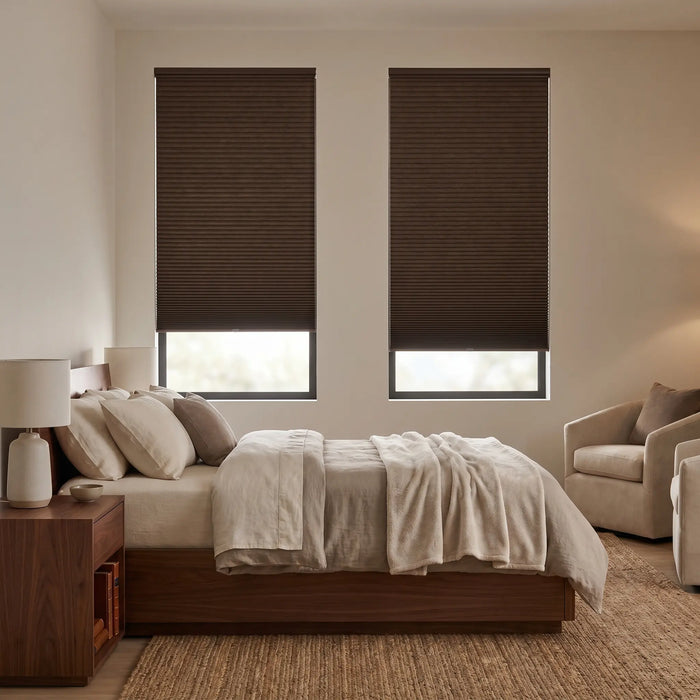
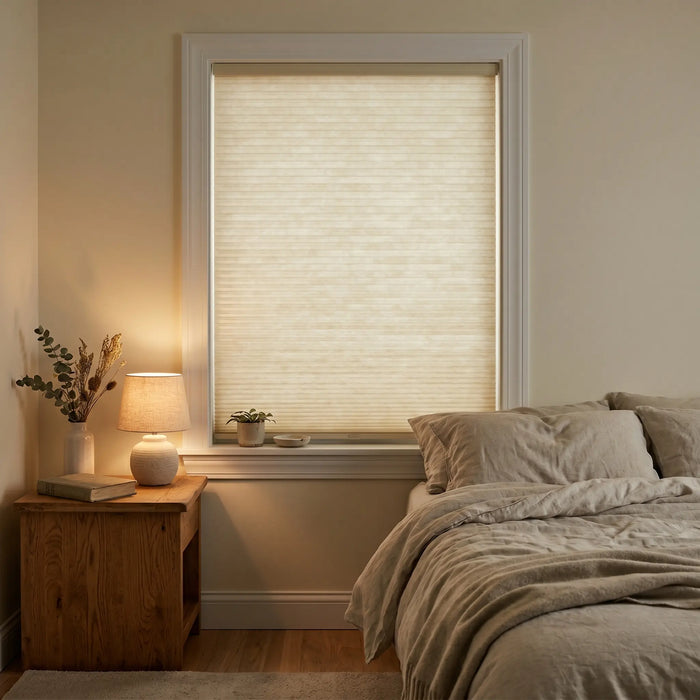
In bedrooms, the combination of privacy, light control, and thermal buffering often makes cellular shades feel worth the price quickly. This is especially true for rooms that run too hot in summer mornings or too cold overnight.
Large windows in living zones
For large windows in family rooms or open-plan spaces, better temperature stability can make the room more usable through peak seasons. This is one of the most common reasons homeowners report positive value.
Mixed-use homes with daytime occupancy
If someone is home most of the day, comfort benefits become more visible. In that case, even modest energy savings plus better daytime usability can improve perceived return.
When Cellular Shades Are the Right Choice
Choose cellular shades when:
- You want stronger insulation than basic flat shades
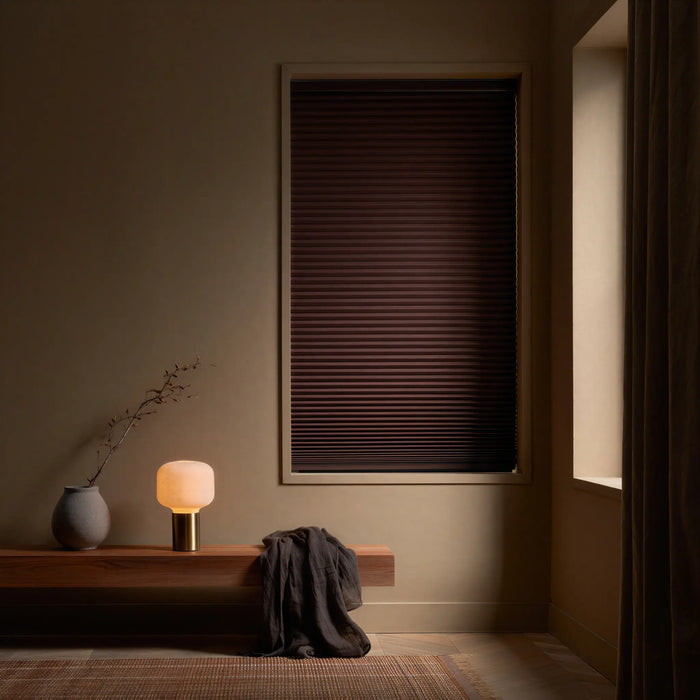
- You need better bedroom darkening options with blackout fabrics
- You care about comfort near glass in hot or cold seasons
- You want modern features like top-down bottom-up or motorized control
- You prefer one product family that can handle privacy, light, and efficiency together
If those points match your priorities, they are often worth the investment.
For a practical next step, compare cellular shades by fabric opacity, operating system, and room needs rather than price alone. If you are choosing between shelf sizes and made-to-order, custom vs ready-made cellular shades spells out where fit matters most.
When a Cheaper Alternative May Be Better
Skip or postpone cellular shades when:
- Upfront budget is the top constraint
- You primarily want basic privacy and simple daylight filtering
- Your room conditions do not demand extra thermal help
- You prefer the flat look and easy care of roller shades
In those situations, a lower-cost blind or shade can still be the right decision. “Worth it” is always contextual, not universal.
Bottom Line
So, are cellular shades worth it? For many homeowners, yes, because they combine energy savings, comfort, and versatile light control better than many alternatives. But they are not mandatory for every room.
If your goals are performance and year-round comfort, they are often a strong value. If your goal is lowest possible upfront price, a simpler window treatment may be the better fit right now. The best decision is the one that matches your home, your budget, and how you actually live in the space.
Frequently Asked Questions
How do cellular shades save energy and when will I see savings?
Cellular shades use a honeycomb structure that traps air, creating an insulating layer at the window that helps reduce heat flow. Whether you see measurable bill savings depends on your climate, existing window performance, and daily shade habits, so there is no single universal payback timeline.
Are cellular shades a good choice for bedrooms and media rooms?
Yes — blackout cellular fabrics provide effective room darkening while the insulating cells help buffer temperature swings, making them especially useful in bedrooms and media rooms. Many homeowners notice the benefits faster in rooms that need darkness or consistent thermal comfort.
What are the main drawbacks of cellular shades I should consider?
Main drawbacks are the higher upfront cost compared with basic roller shades, cells that can collect dust and are harder to clean, and a soft pleated look that may not fit every aesthetic. Performance can also be reduced by poor setup or side gaps, so proper installation matters; see our installation guidance for tips.
Do cellular shades reduce outside noise?
The honeycomb design can soften outside sounds compared with bare glass, providing some noise reduction. They will not soundproof a room, but for homeowners near traffic or neighborhood noise they often take the edge off.
When might a cheaper alternative like roller shades be a better choice?
Choose a lower-cost roller shade if upfront budget is the primary constraint, you only need basic privacy or daylight filtering, or you prefer a flat, minimal look and easier cleaning. If your windows already perform well thermally or the room doesn't demand extra insulation, the financial payback for cellular shades may be limited.