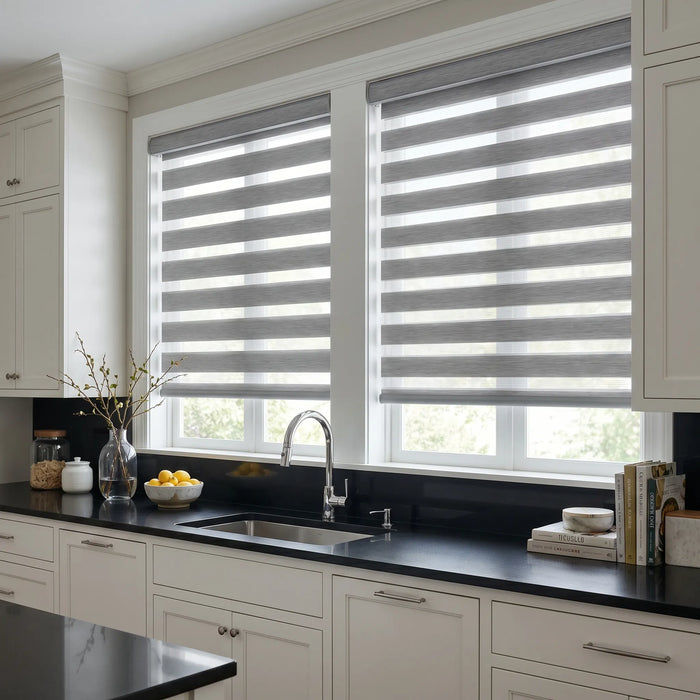
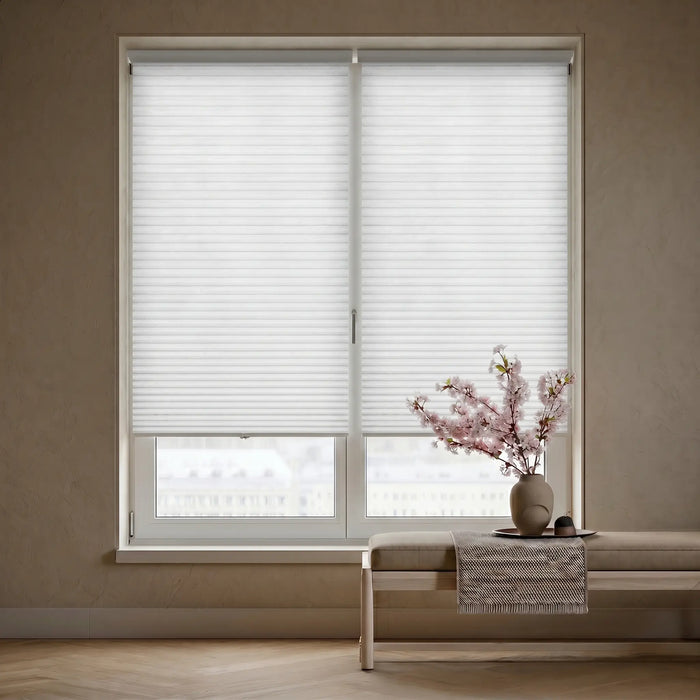
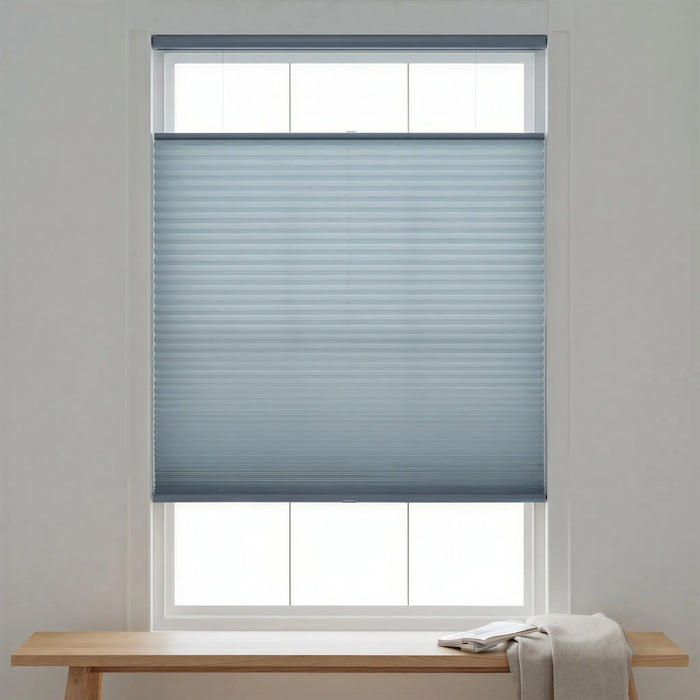
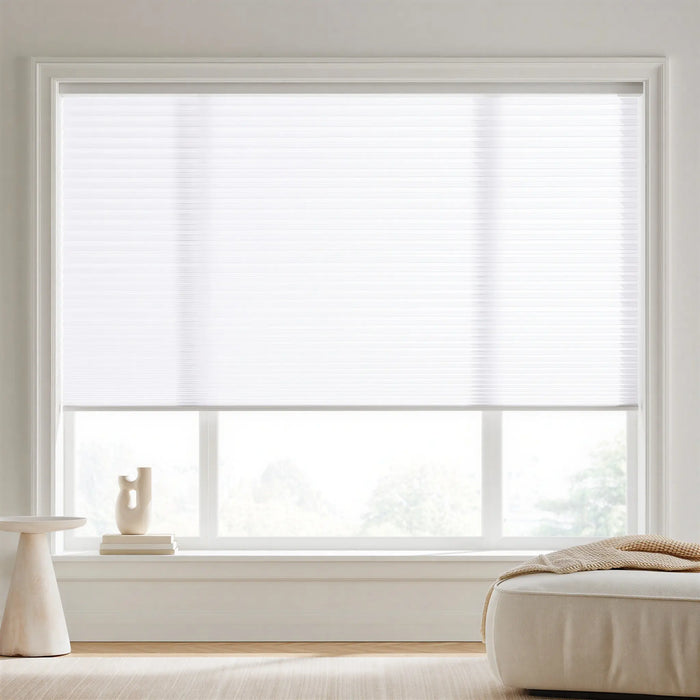
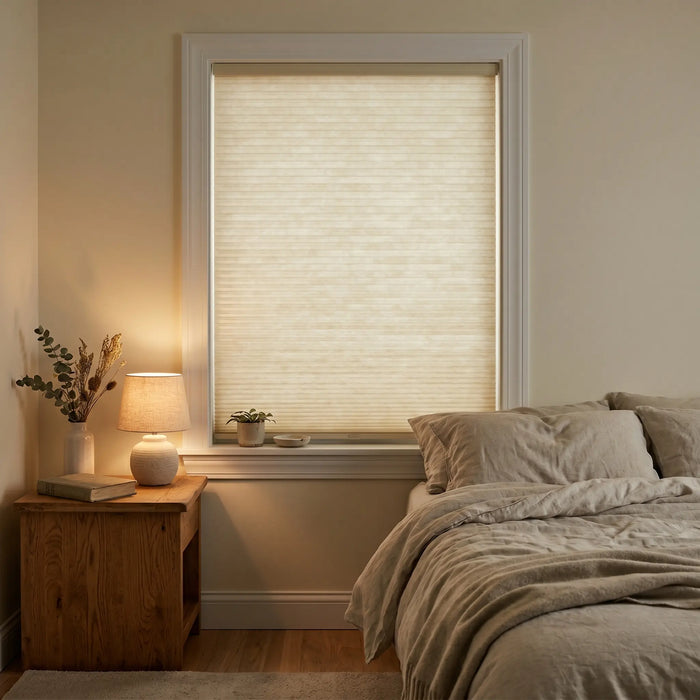
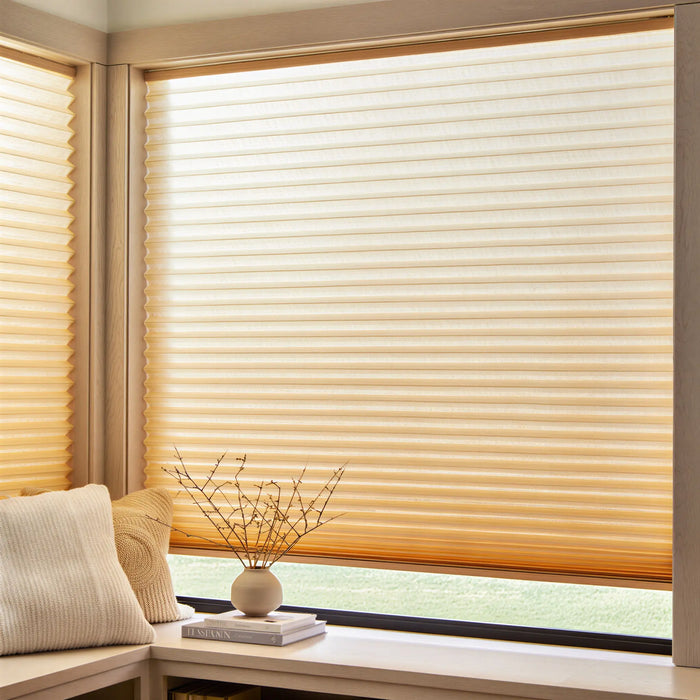
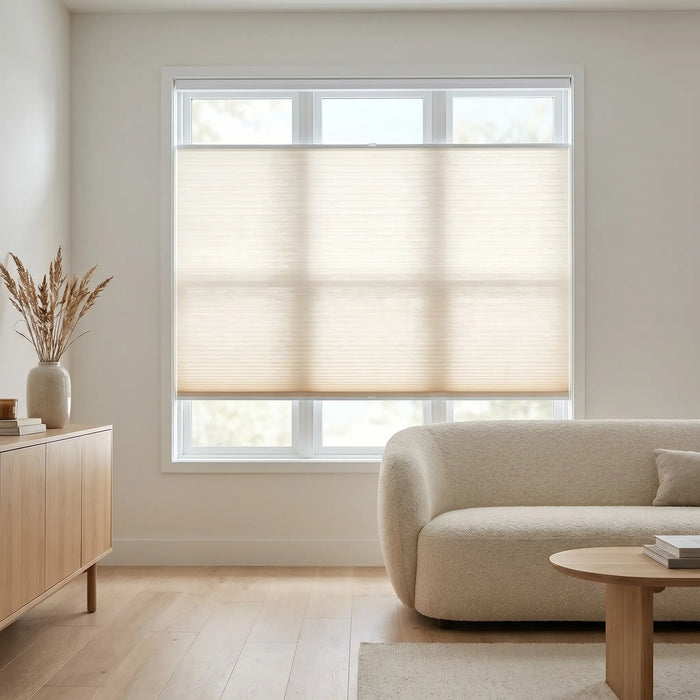
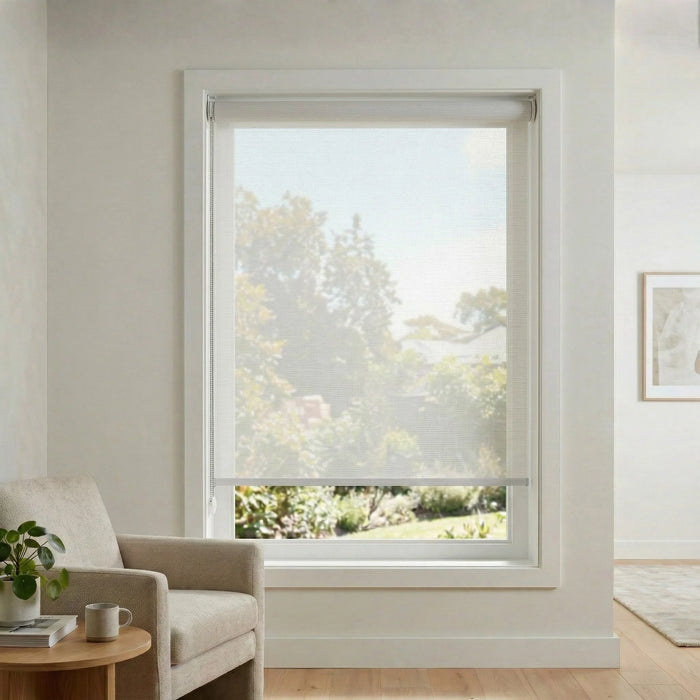
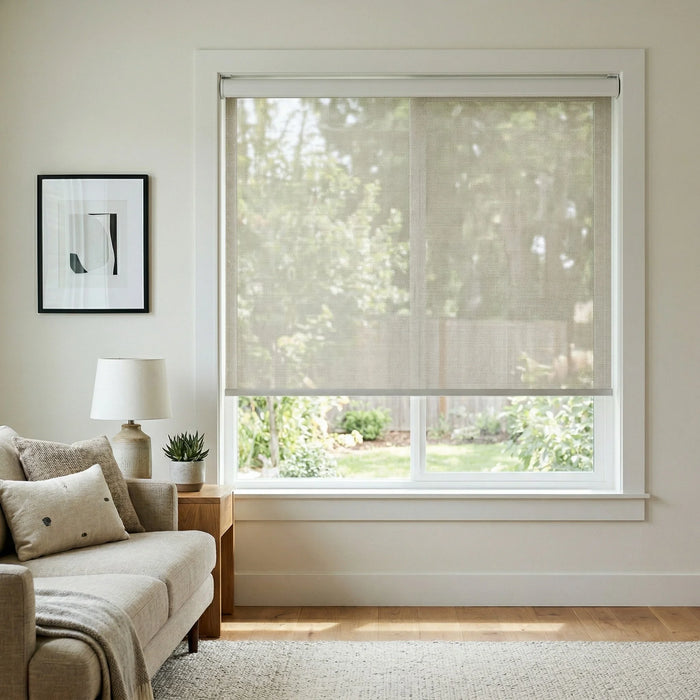
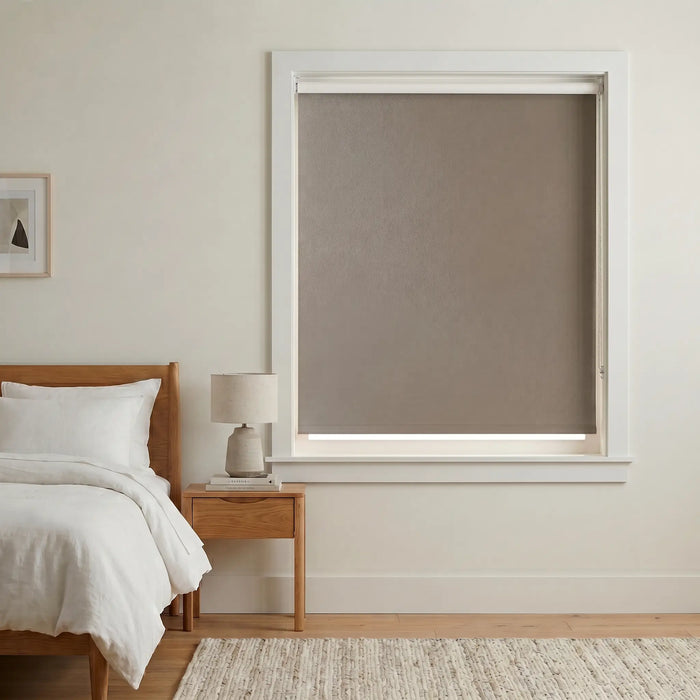
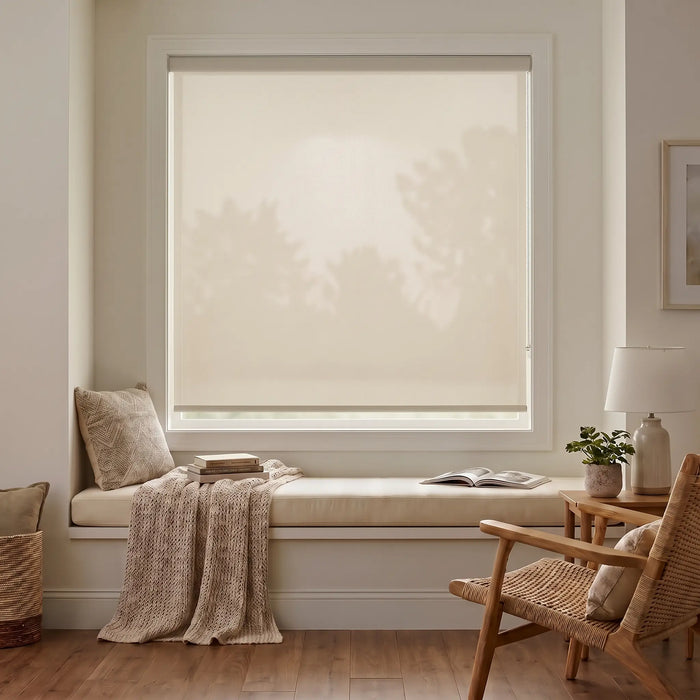
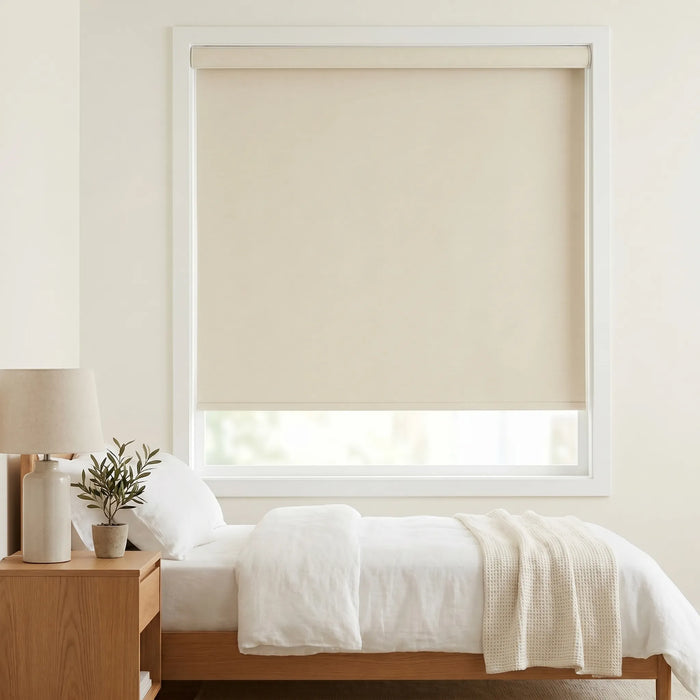
A cellular shade provides excellent insulation and can help keep the room cool in summer and warm in winter. Top-down bottom-up options provide flexible light control while maintaining privacy.
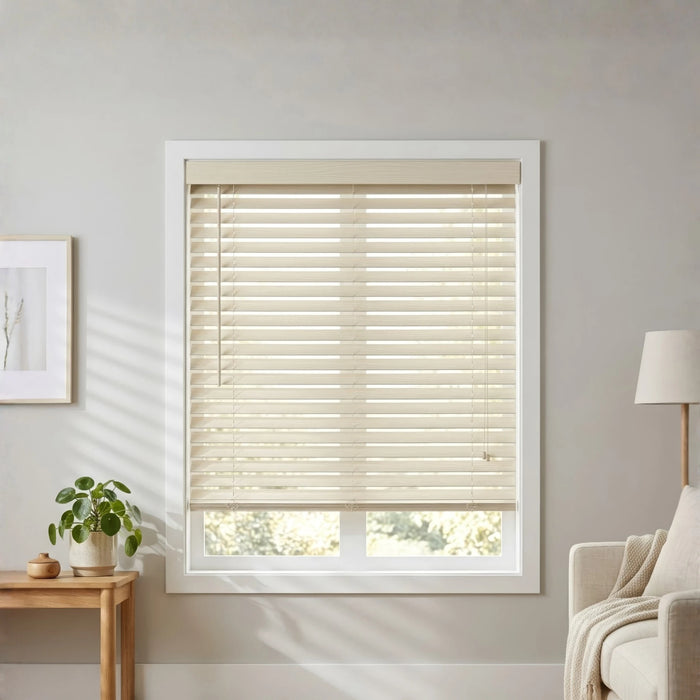
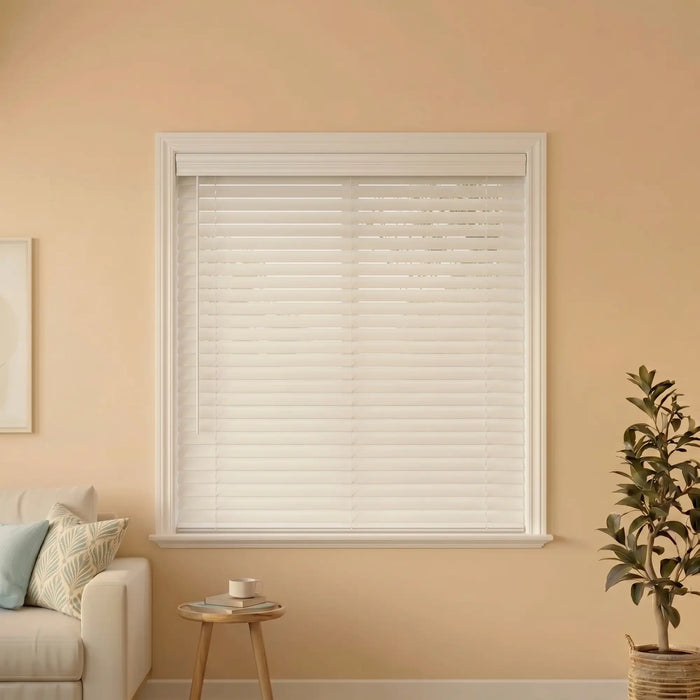
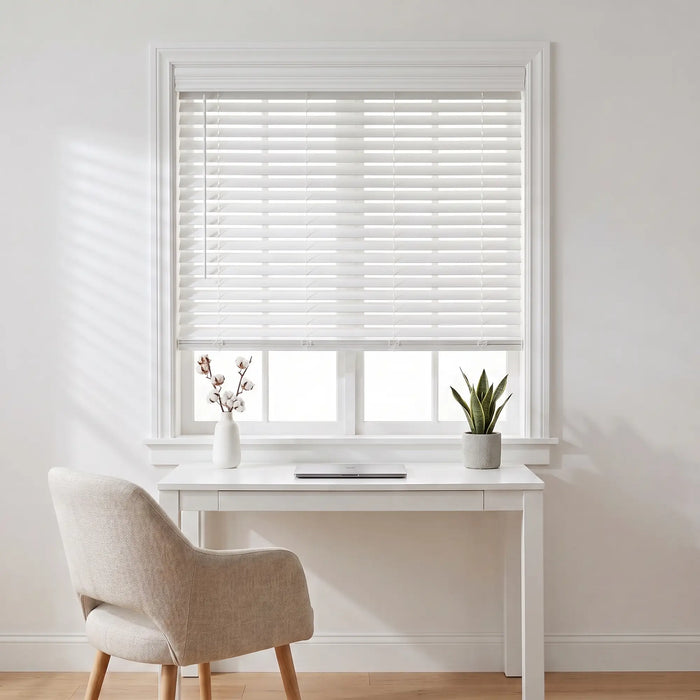
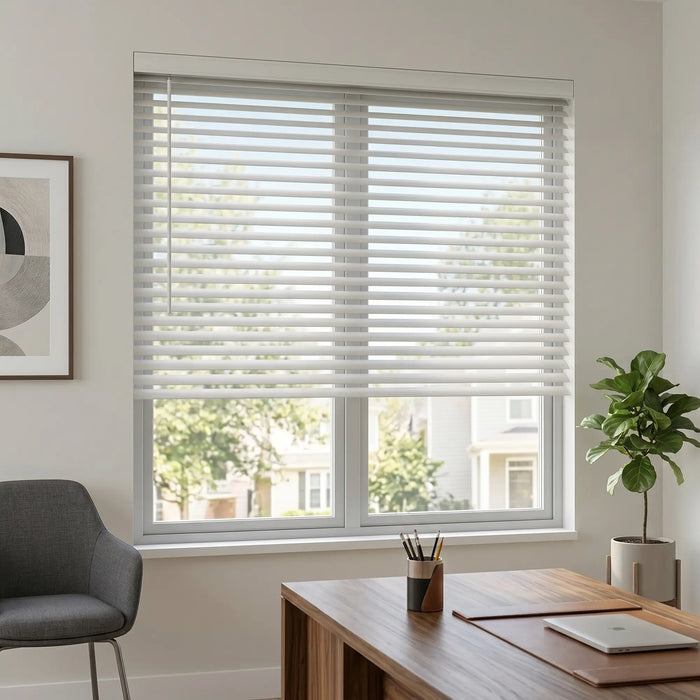
Faux wood blinds add classic warmth and precise tilt control to your dining room. These blinds are more durable and affordable than real wood.
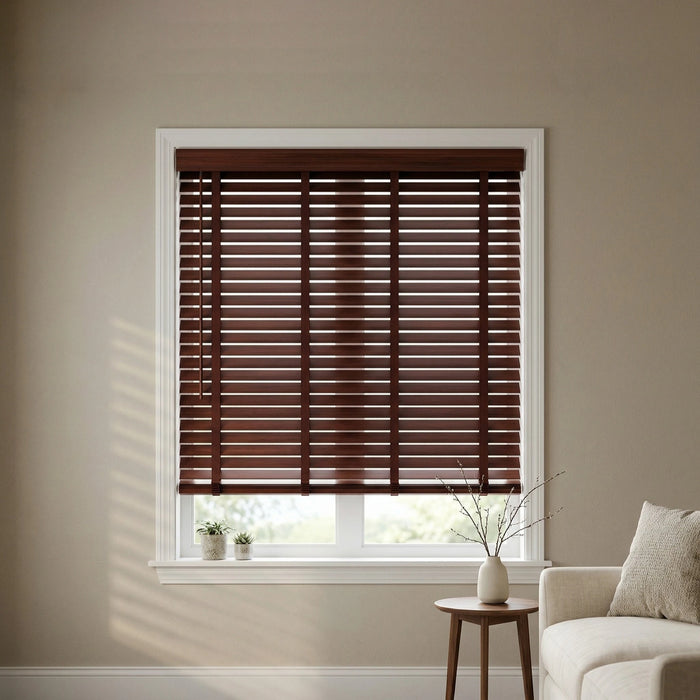
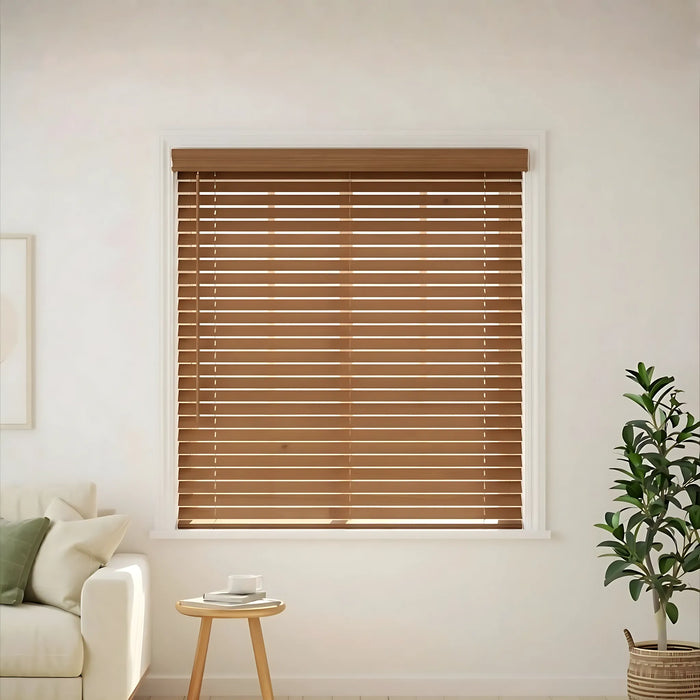
Wood blinds provide a timeless, organic look with classic warmth and traditional aesthetic. These window treatments offer precise tilt control for light and privacy.
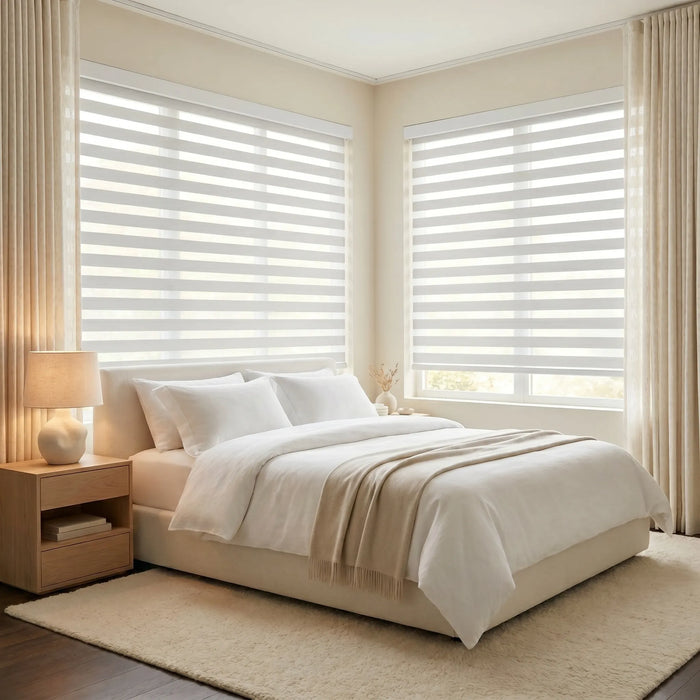
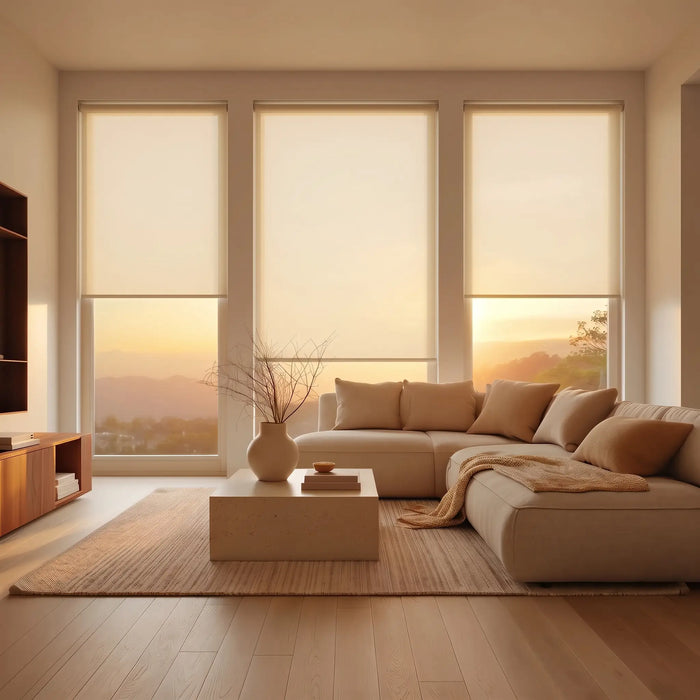
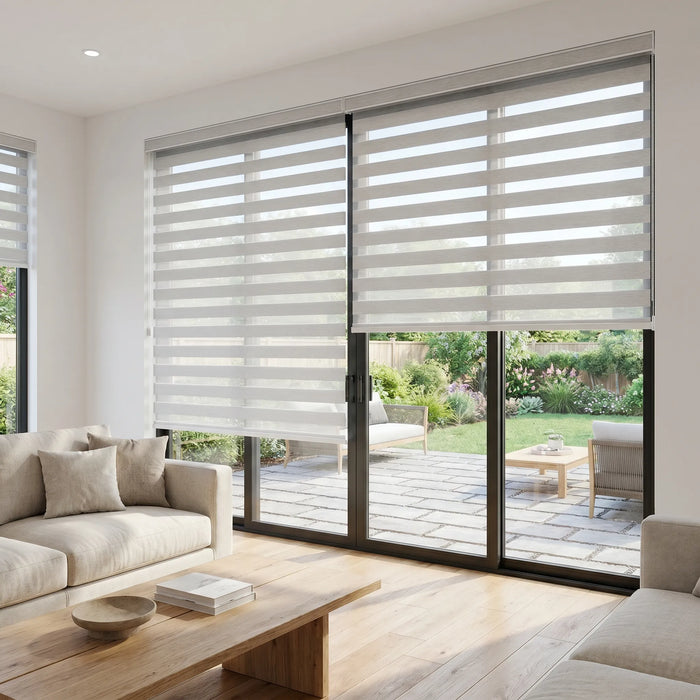
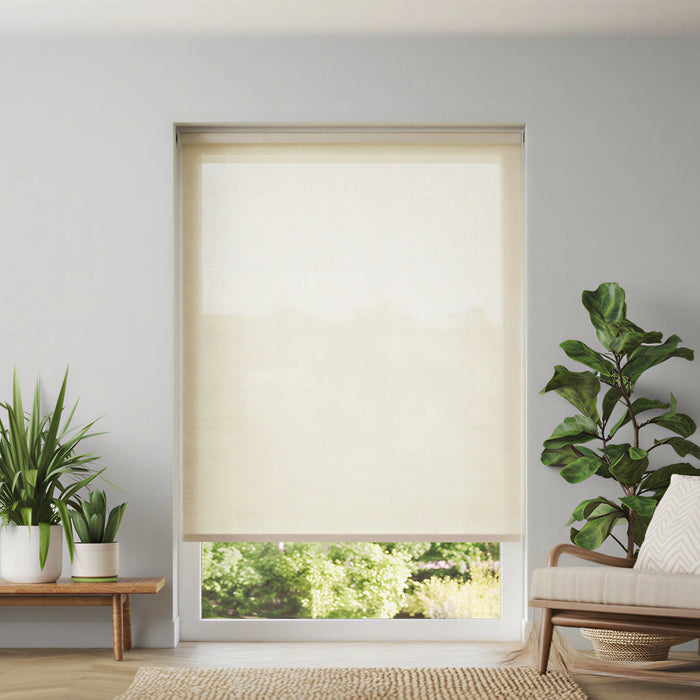
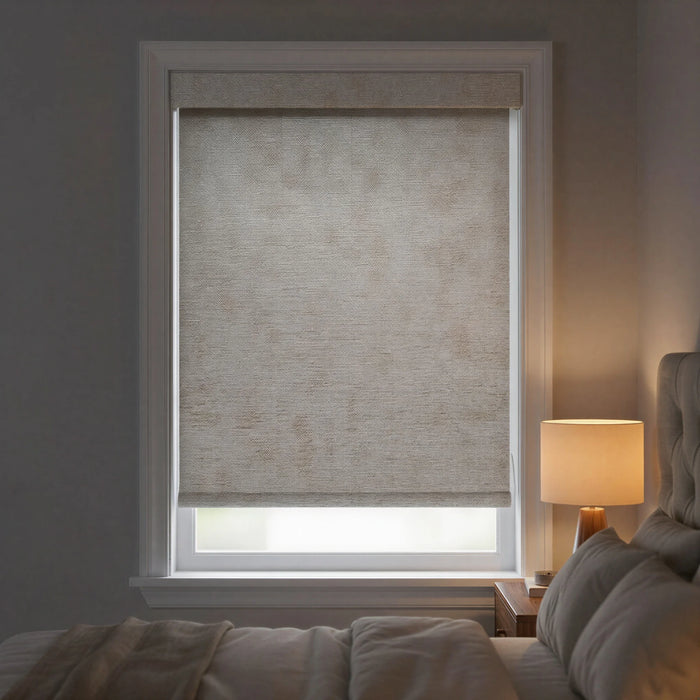
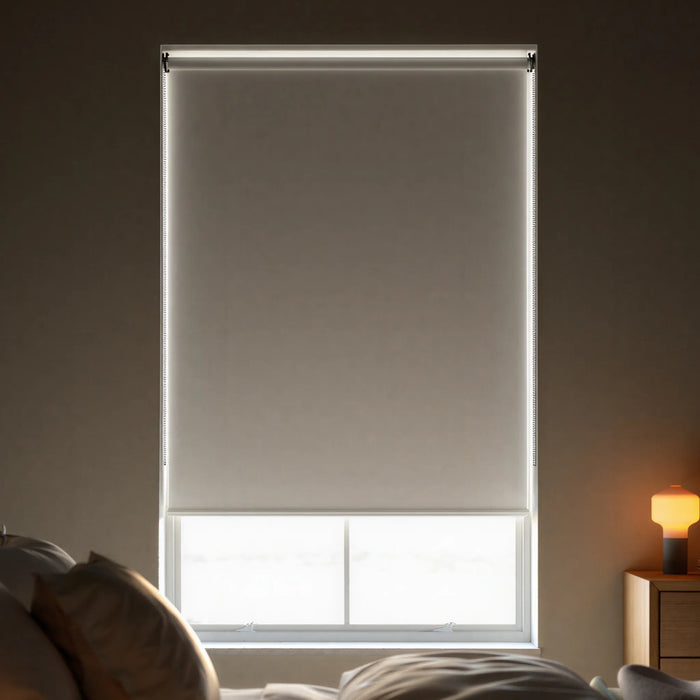
A roller shade offers a modern, minimal look with a clean, architectural finish that pairs well with contemporary furniture. This style is available in various opacity options.
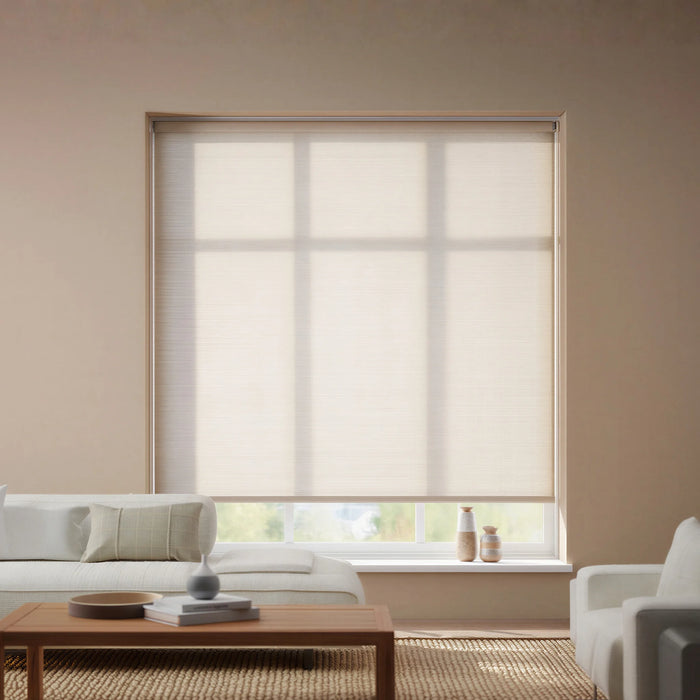
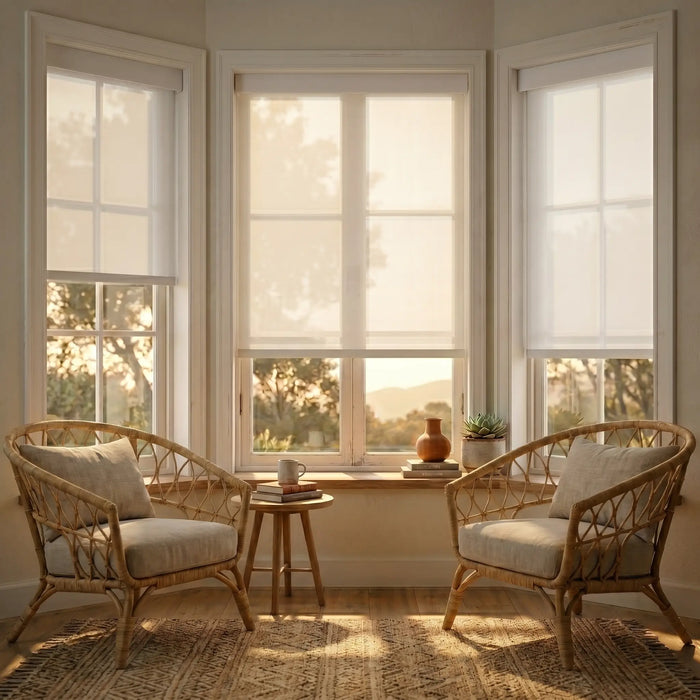
Solar shades reduce UV while preserving views, making them perfect for daytime entertaining. They protect artwork and fabrics from fading.
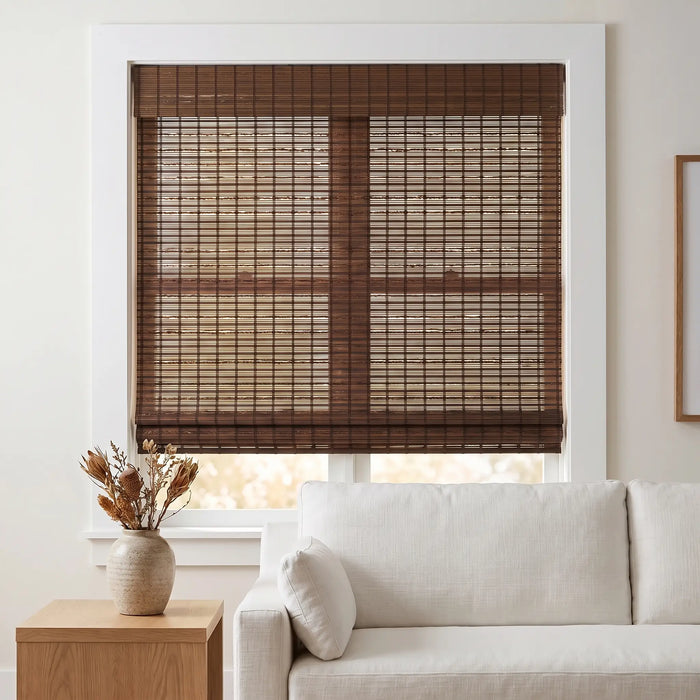
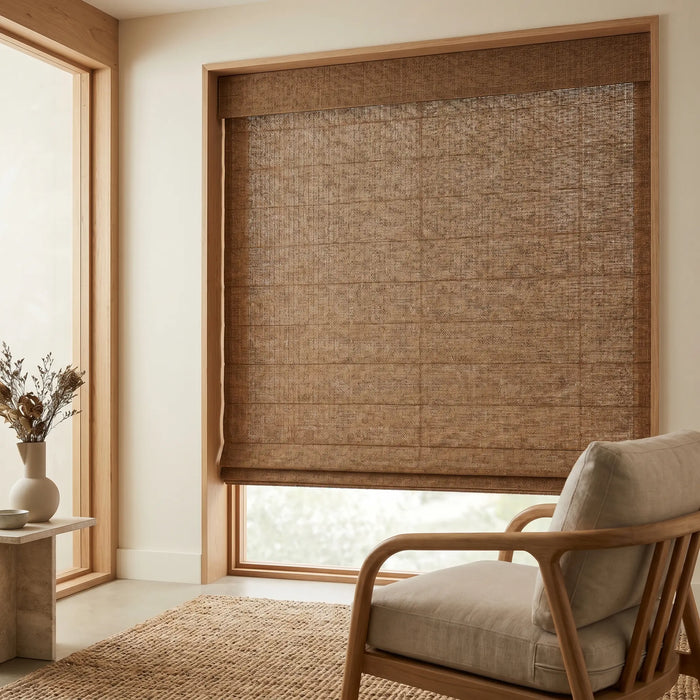
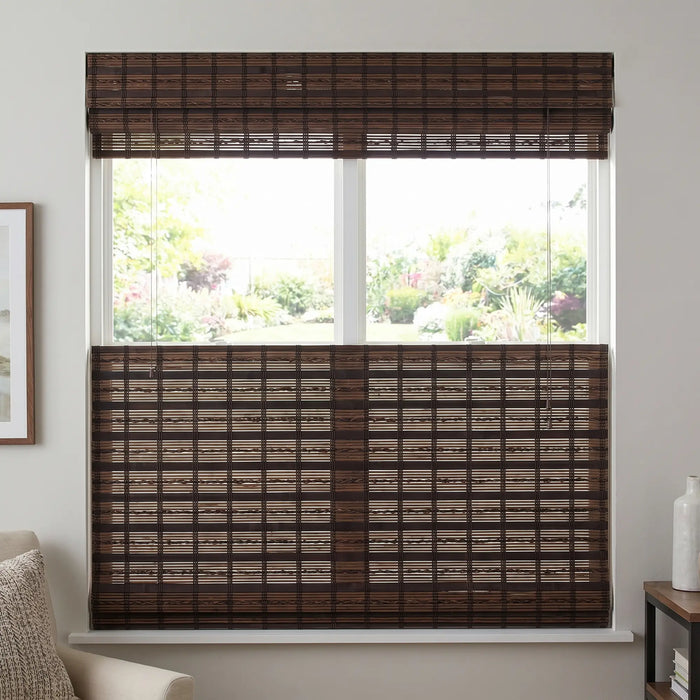
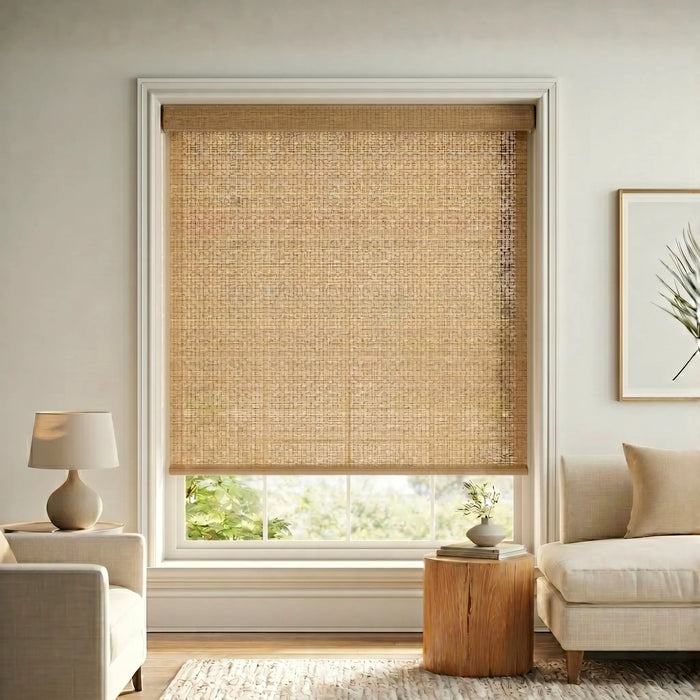
Woven wood shades add an organic feel to your dining room with natural textures that bridge the modern-traditional gap. The character-rich weave allows natural light to shine through.
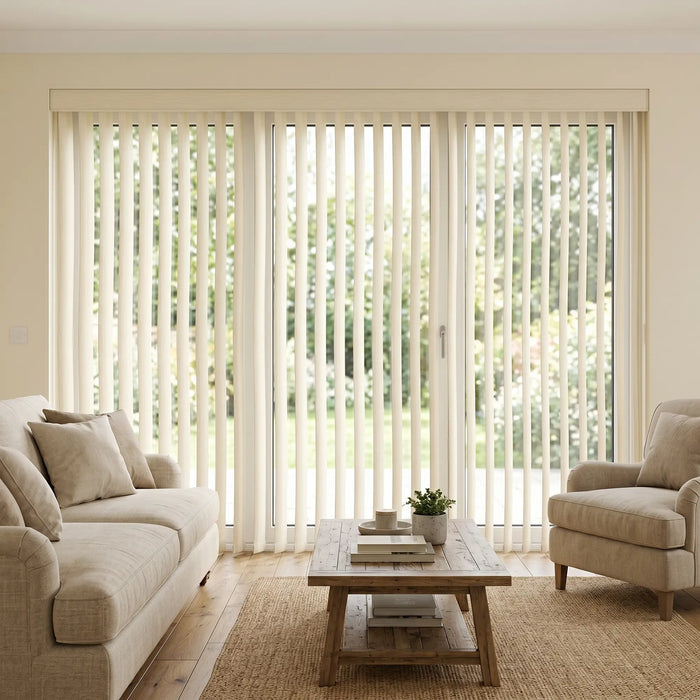
Vertical blinds are great for large windows and patio doors, making the room feel taller and more formal. These coverings provide good light control and are easy to operate.
Benefits of Dining Room Window Treatments
Dining room window treatments help you control the amount of light that enters the room to create a relaxing atmosphere. Soft, diffused light keeps dining pleasant, while blackout options provide complete light control.
Window treatments provide privacy so you can enjoy meals with family and friends. Room-darkening options deliver dependable evening privacy without sacrificing design.
Window treatments can set the tone for your dining room, influencing its style and ambiance from casual to formal. Rich fabrics, patterns, and color palettes complement your dining room decor.
Honeycomb construction traps air to reduce drafts and hot spots, improving comfort in rooms that get heavy sun. Solar shades manage heat and UV while protecting artwork and fabrics.
Faux wood blinds and smooth roller fabrics wipe clean quickly, making maintenance easy between dinners and holiday gatherings.
Choosing the Right Dining Room Window Treatments
Choosing the best blinds for your dining room is a challenge because you need to balance aesthetics and budget. Real wood blinds may look amazing, but you may find the price is steep. If so, you'll be better served by budget blinds that offer similar style at a more affordable price point.
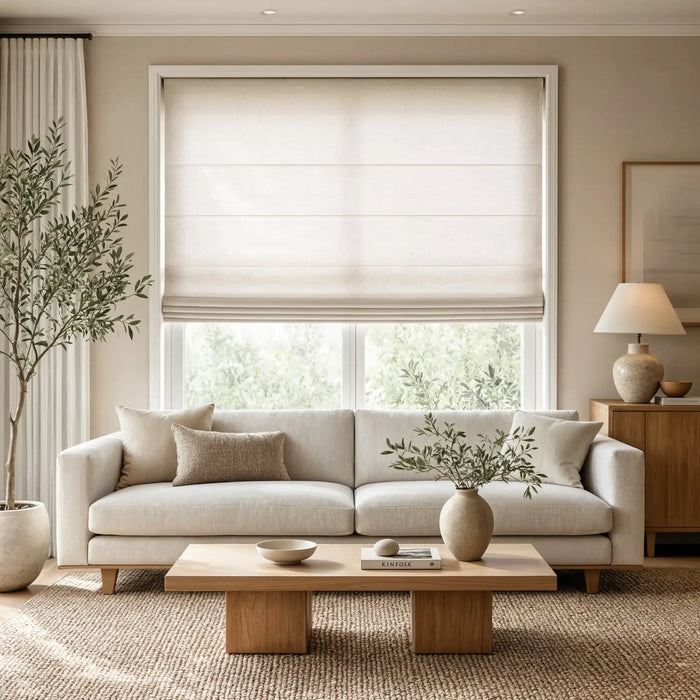
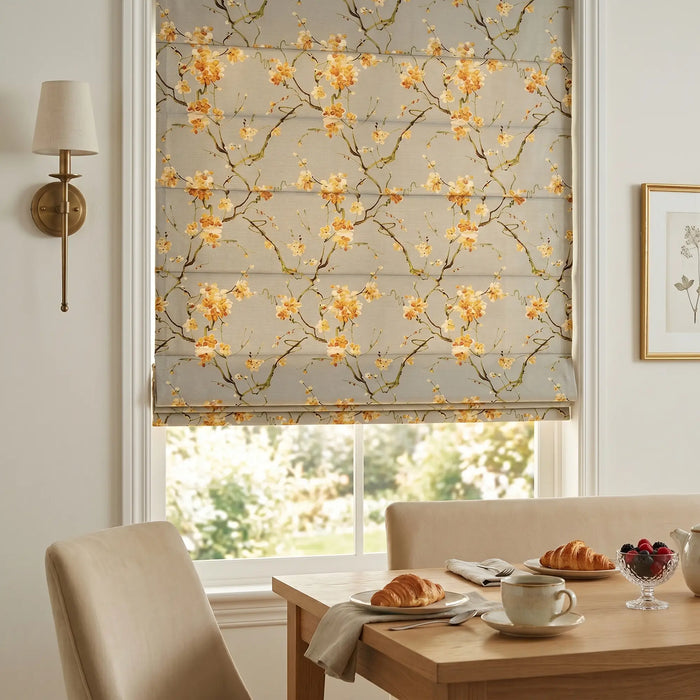
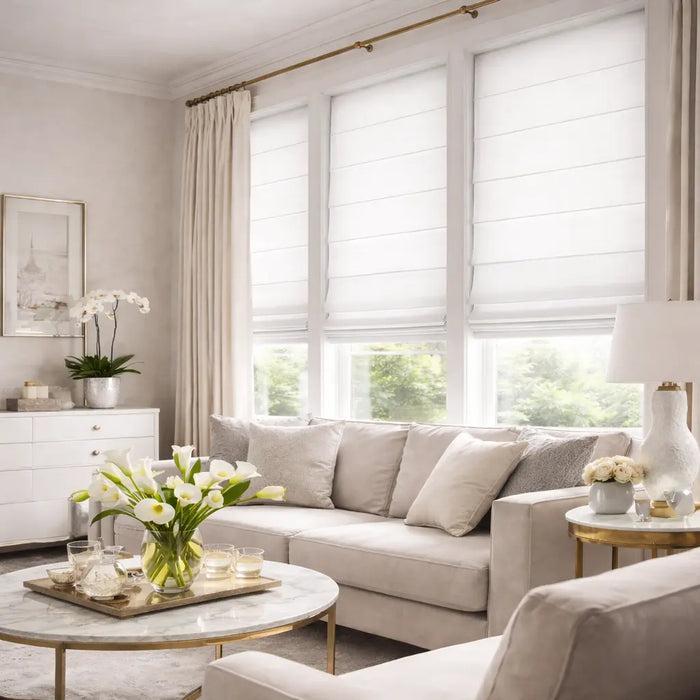
For a formal look, choose luxurious materials like Roman shades or structured blinds that enhance a traditional aesthetic. For a casual or modern feel, opt for airy roller shades or simple, clean-lined treatments. Some homeowners prefer drapery for elegance, while others choose a curtain.
Dining rooms often face strong afternoon sun that can wash out place settings or strain the eyes. Solar options reduce UV while preserving the view and providing diffused natural light.
Match undertones in your table, flooring, and trim when selecting window treatments. Matte neutrals and textured weaves add depth without stealing focus from centerpieces. You can tailor your selection to complement your dining room décor.
For large windows and French doors, vertical blinds are specifically designed for large, sliding glass doors. These treatments keep large window spans aligned and easy to operate. Some homeowners prefer a shutter for a traditional look.
Cordless window blinds keep lines clean and safe, ideal if you have small children or pets. You can motorize your window treatments for one-touch control and scenes like "Dinner Mode." Consider cordless window blinds for added safety.
 Skip to content