 Skip to content


Motorized Blackout Shades
-
-
 6 colors available(163)Free Shipping
 -
 6 colors availableBest Seller (13)
- Blocks 100% of light
- Made to your exact window size
Free Shipping -
-
SALE
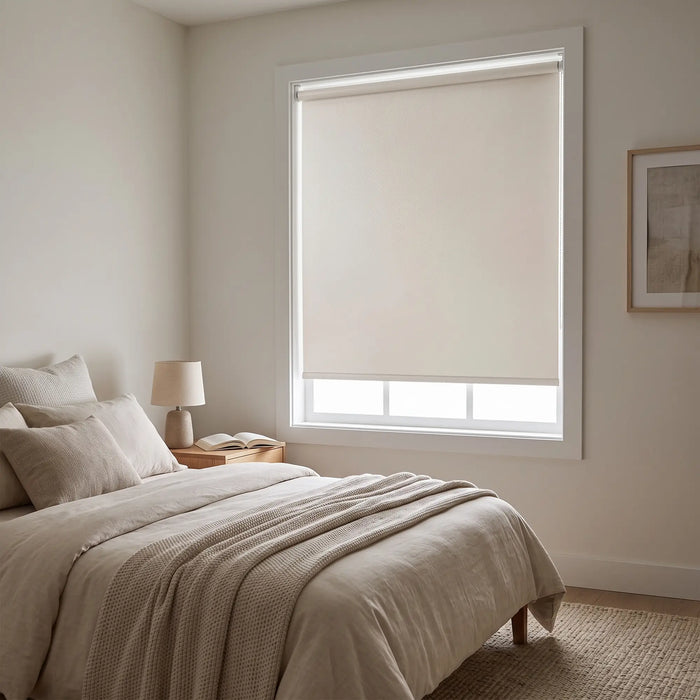 12 colors available⭐ Most Popular(138)
$18.99 SAVE 31%
$12.99
- Budget friendly
- Great for all rooms and applications
Free Shipping -
SALE
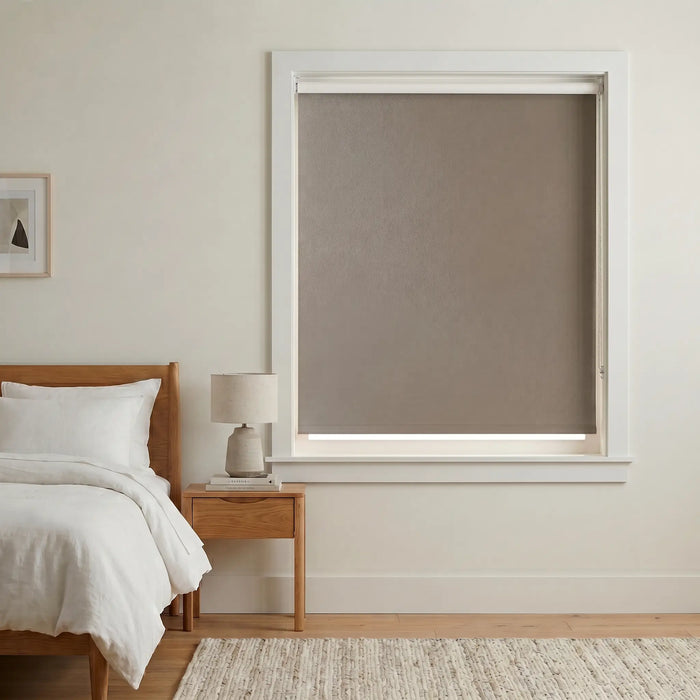 12 colors available⭐ Most Popular(138)
$18.99 SAVE 31%
$12.99
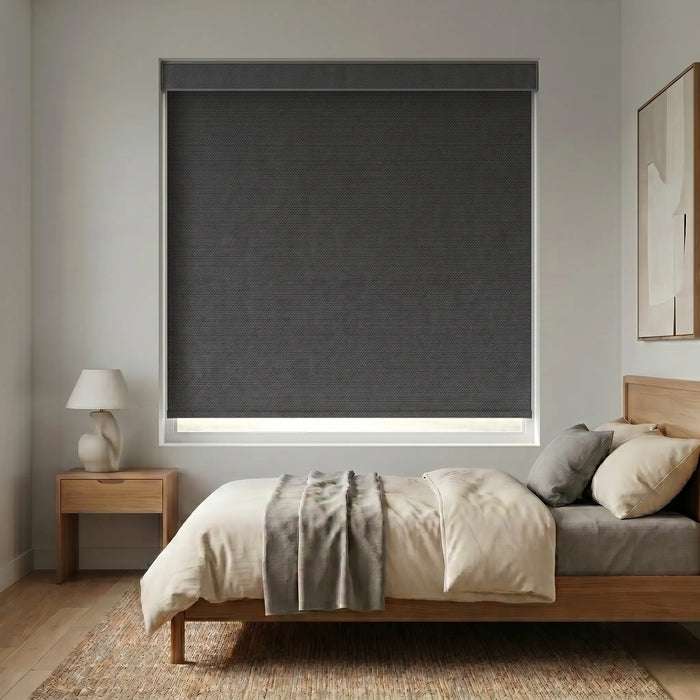
- Complete blackout
- All-time best seller
Free Shipping -
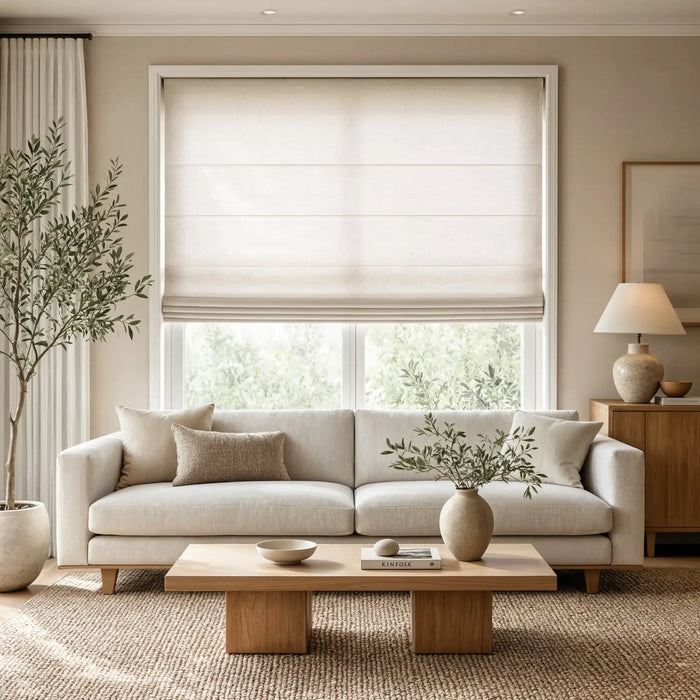
-
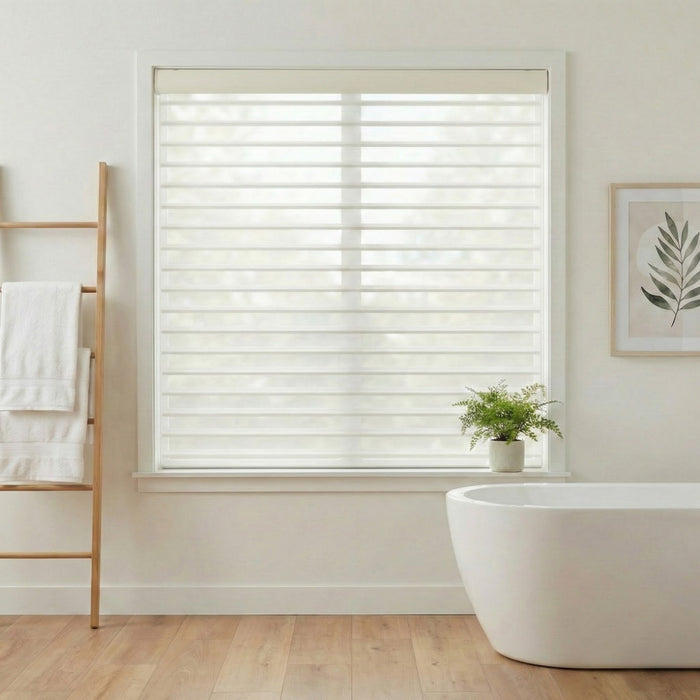 5 colors available(5)
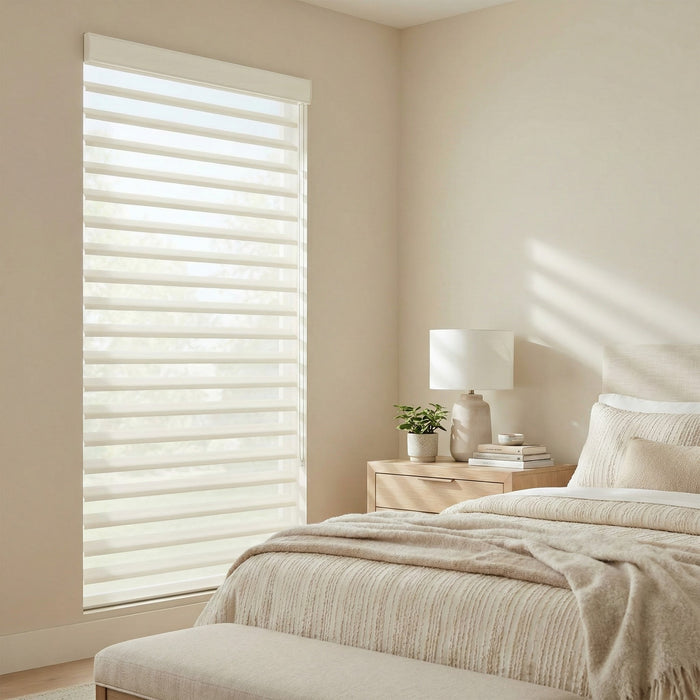
- Beautiful sheer effect
- Motorization available
Free Shipping -
 2 colors available(1)
$128.99
- Beautiful sheer effect
- Motorization available
Free Shipping -
-
-
-
SALE
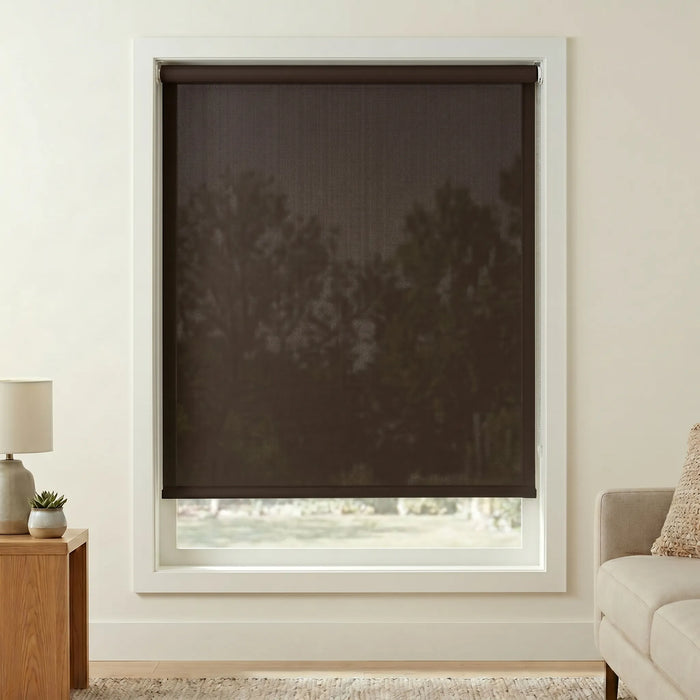 7 colors available(237)
$104.99 SAVE 12%
$91.99
Free Shipping -
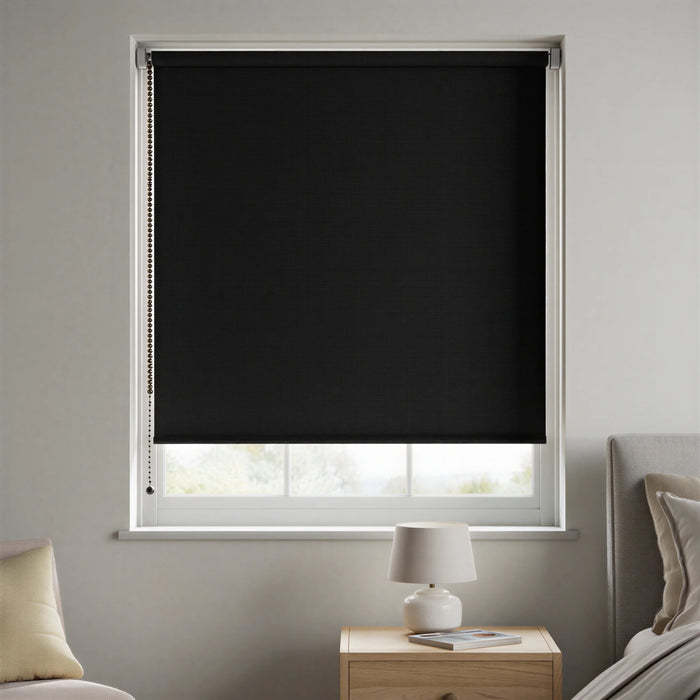
-
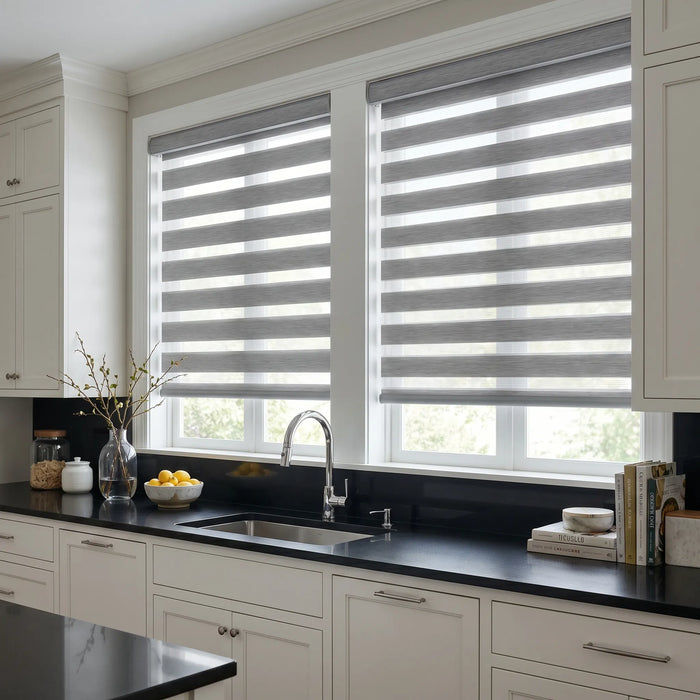
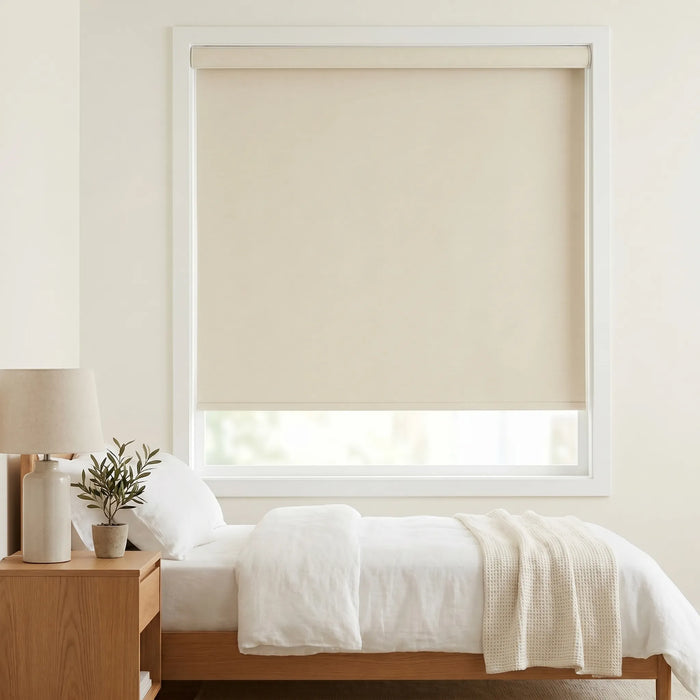

What Are Motorized Blackout Window Shades?
Motorized blackout window shades combine complete light-blocking capability with automated control technology. These window treatments feature a small motor housed in the headrail that powers the raising and lowering of blackout fabric. Unlike manual shades that require you to pull cords, motorized blackout shades let you control light and privacy with the press of a button or voice command.
Blackout window shades block nearly all incoming light, creating complete darkness when closed. This makes them ideal for bedrooms, home theaters, and any room requiring total light control.
Benefits of Motorized Blackout Shades
Motorized blackout shades give you effortless control over your window treatments. Adjust light and privacy levels from anywhere using a remote control, smartphone app, or voice commands. Program automatic schedules so shades open and close at specific times.
This convenience is especially valuable for hard-to-reach windows like tall windows, skylights, and windows behind furniture. Motorized window shades provide this level of convenience regardless of window location or height.
Blackout fabric blocks up to 99% of incoming light, creating near-total darkness when closed. This helps you sleep better in bedrooms, enjoy movies in home theaters, and maintain complete privacy while regulating room temperature. Like cordless window shades, motorized blackout shades eliminate safety hazards from traditional lift cords, making them safer for homes with small children and pets.
Motorized blackout shades solve the challenge of controlling difficult-to-access windows, making tall windows and high-ceiling installations easy to operate. Program shades to automatically open and close at set times when you're away, creating a lived-in appearance that can help deter potential intruders. Blackout fabric blocks sunlight that heats your home during summer months, reducing cooling costs, while automated scheduling optimizes energy savings by closing during peak sun hours.
How Motorized Blackout Shades Work
A small quiet motor housed in the headrail powers the raising and lowering of the shade fabric. When you send a command through a remote control, smartphone app, or voice assistant, the motor activates and moves the fabric to your desired position using a rolling mechanism. You can save preset positions so shades always stop at the same height.
The motor receives power from either a rechargeable battery, electrical outlet, solar panel, or hardwired connection.
Control Options
Motorized blackout shades offer multiple control methods to suit your preferences. Remote controls provide simple button operation with the ability to program preset positions and control multiple shades. Smartphone apps offer advanced features like scheduling, group control, and battery monitoring.
Voice control works through Amazon Alexa, Google Home, and Apple HomeKit for hands-free operation. You can program automatic schedules to optimize energy efficiency and control multiple shades simultaneously with group commands.
Power Options for Motorized Shades
Rechargeable battery packs power most motorized blackout shades, typically lasting 4 to 6 months between charges with regular daily use. Batteries are hidden inside the headrail, offering flexible installation without requiring nearby electrical outlets. Solar-powered systems use small solar panels to charge the battery, extending time between recharges significantly and working well for sun-facing windows.
Plug-in options connect to standard electrical outlets. Hardwired systems connect directly to your home's electrical system, requiring professional installation but providing permanent power solutions.
Types of Motorized Blackout Window Coverings
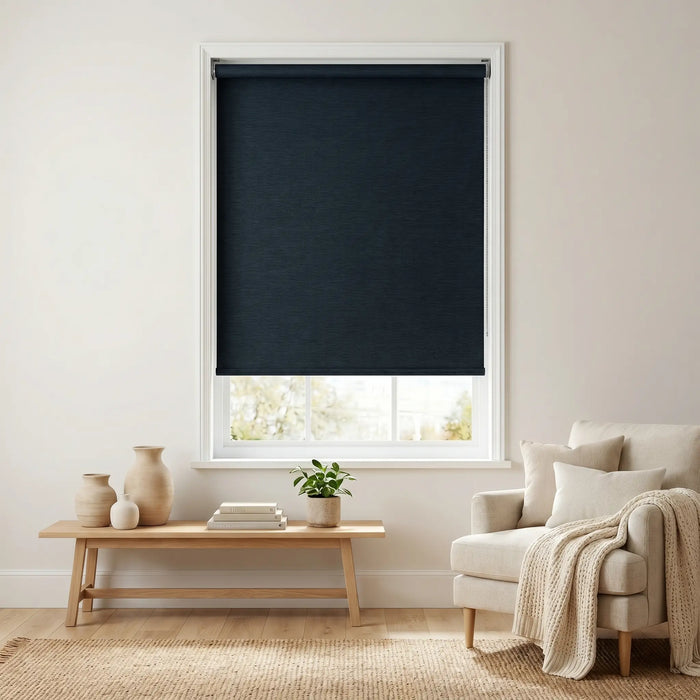
Motorized roller shades feature blackout fabric that rolls up and down around a tube, providing a clean, minimalist appearance for windows of all sizes. Motorized cellular shades combine honeycomb construction with blackout fabric, offering energy efficiency and complete light blocking ideal for bedrooms and home theaters.
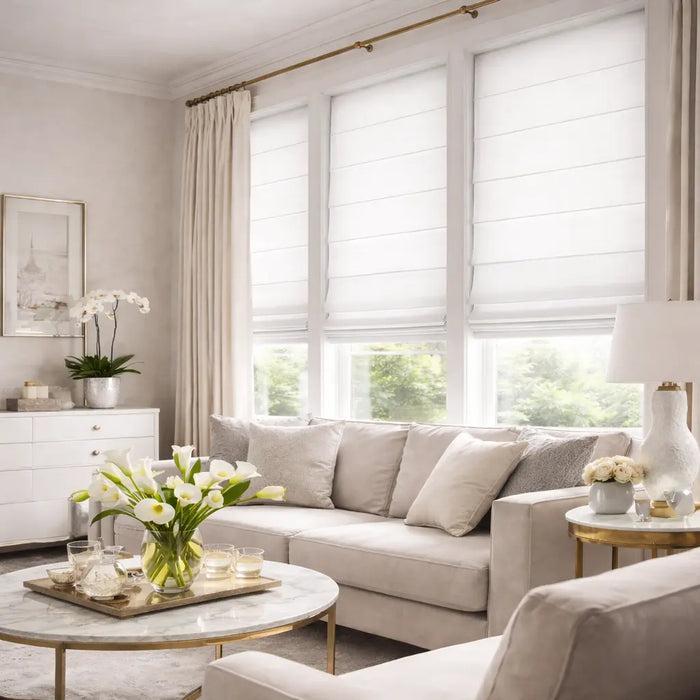
Motorized Roman shades offer an elegant alternative with folded fabric design and complete light blocking. Motorized vertical blinds with blackout vanes provide light control for large windows and sliding glass doors, with motors controlling both vane rotation and drawing across the window.
What to Consider When Choosing Motorized Blackout Shades
Measure your windows carefully to ensure proper fit and operation. Inside mount places the shade within the window frame, requiring adequate frame depth typically 1.5 to 2 inches. Outside mount covers the entire window opening, providing maximum light blocking.
Choose a motor type that works with your existing smart home ecosystem, whether Bluetooth, Wi-Fi, Zigbee, or Matter-compatible motors that work with Apple HomeKit, Google Home, and Amazon Alexa. Smart blinds integrate seamlessly with home automation systems for comprehensive control.
Evaluate your window locations to determine the best power option, considering rechargeable batteries, solar power, plug-in options, or hardwired systems. Decide how you want to control your shades through remote controls, smartphone apps, or voice commands.
Installation and Setup
For inside mount, measure width at the top, middle, and bottom using the smallest measurement, and height at the left, center, and right using the smallest measurement. Inside mount requires minimum frame depth, typically 1.5 to 2 inches.
For outside mount, use the largest measurements and add 1 to 3 inches for optimal light blocking. Measure to the nearest 1/16 inch for width and 1/8 inch for height.
Installation follows similar steps to roller shades for windows. Mount brackets securely to the window frame or wall, then insert the motorized headrail into the brackets. Test motor operation before finalizing installation.
Pair remote controls and connect to smartphone apps following manufacturer instructions.
Maintenance and Care
Regular dusting keeps motorized blackout shades looking fresh using a feather duster or vacuum with a soft brush attachment. For spot cleaning, use a damp cloth with mild detergent, avoiding harsh chemicals.
Monitor battery levels through your app or indicator lights, recharging before batteries are completely depleted. Keep solar panels clean if using solar power.
Common Questions About Motorized Blackout Shades
How much do motorized blackout blinds cost?
Motorized blackout shades cost more than manual shades due to the motor and control technology. Prices vary based on window size, motor type, control options, and fabric selection. The convenience, safety, and energy-saving benefits often justify the additional investment, especially for hard-to-reach windows or homes with children and pets.
Are motorized shades worth the cost?
Motorized blackout shades are worth the cost for many homeowners, especially those with hard-to-reach windows, multiple windows to control, or accessibility needs. The convenience of remote and voice control, safety benefits for families with children, enhanced security, and potential energy savings add significant value.
What are the disadvantages of motorized blinds?
Motorized blackout shades have higher initial costs than manual shades and require a power source, meaning battery recharging or electrical connections are necessary. There's potential for motor failure, though this is rare with quality products.
Some installations may require professional help, and there's a learning curve for setting up apps and home automation integration.
How long do the motors last, and do they need to be recharged?
Rechargeable battery motors typically last 4 to 6 months per charge with regular daily use. Solar-powered systems can extend this significantly, sometimes lasting a year or more between manual recharges. Hardwired and plug-in options don't require recharging, providing continuous power.
Do motorized shades need to be plugged in, or are they hardwired?
Motorized blackout shades offer multiple power options. Rechargeable battery systems need periodic recharging every few months. Plug-in options connect to standard electrical outlets.
Solar-powered systems charge batteries using sunlight. Hardwired systems connect directly to your home's electrical system and require professional installation.
How do you measure windows for motorized shades?
For inside mount, measure width at the top, middle, and bottom, using the smallest measurement. Measure height at the left, center, and right, using the smallest measurement. Inside mount requires adequate frame depth, typically 1.5 to 2 inches minimum.
For outside mount, use the largest measurements and add 1 to 3 inches for better light blocking coverage.
Can I control motorized blinds with a remote or a smart device like Alexa or Google Home?
Yes, motorized blackout shades work with multiple control methods including remote controls, smartphone apps, and voice assistants like Amazon Alexa, Google Home, and Apple HomeKit. Remote controls provide simple button operation.
Smartphone apps offer advanced features like scheduling and group control. Voice control allows hands-free operation through compatible smart home systems and home automation platforms.
How easy is it to install motorized blinds?
Motorized blackout shades install similarly to manual shades in most cases, making DIY installation possible for many homeowners. The process involves mounting brackets securely, then inserting the motorized headrail. Setup of remote controls and apps requires following manufacturer instructions but is generally straightforward.
How do motorized blinds work?
Motorized blackout shades operate through a small motor housed in the headrail that powers the raising and lowering of the shade fabric. When you send a command via remote control, smartphone app, or voice assistant, the motor activates and moves the fabric using a rolling mechanism. Power comes from rechargeable batteries, electrical outlets, solar panels, or hardwired connections.